
Last updated November 25, 2026
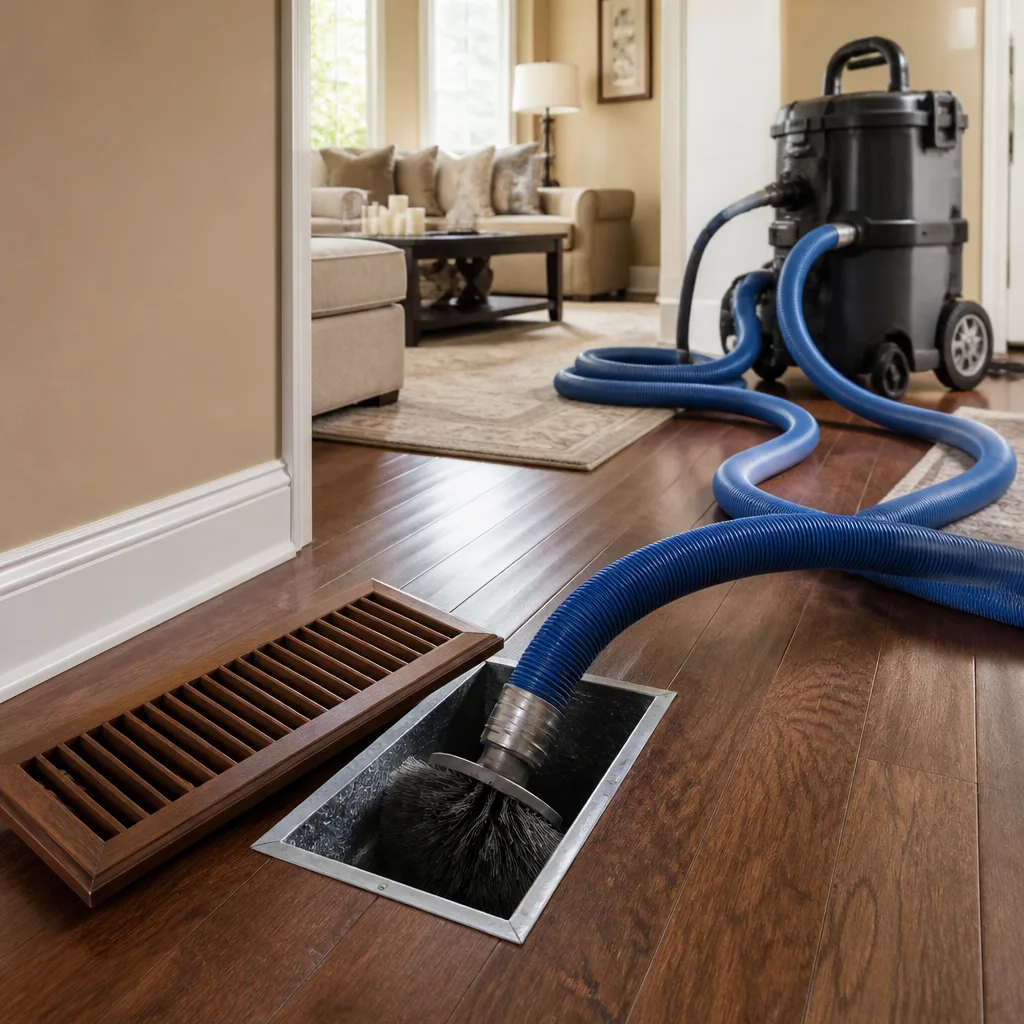 Whole-home duct cleaning
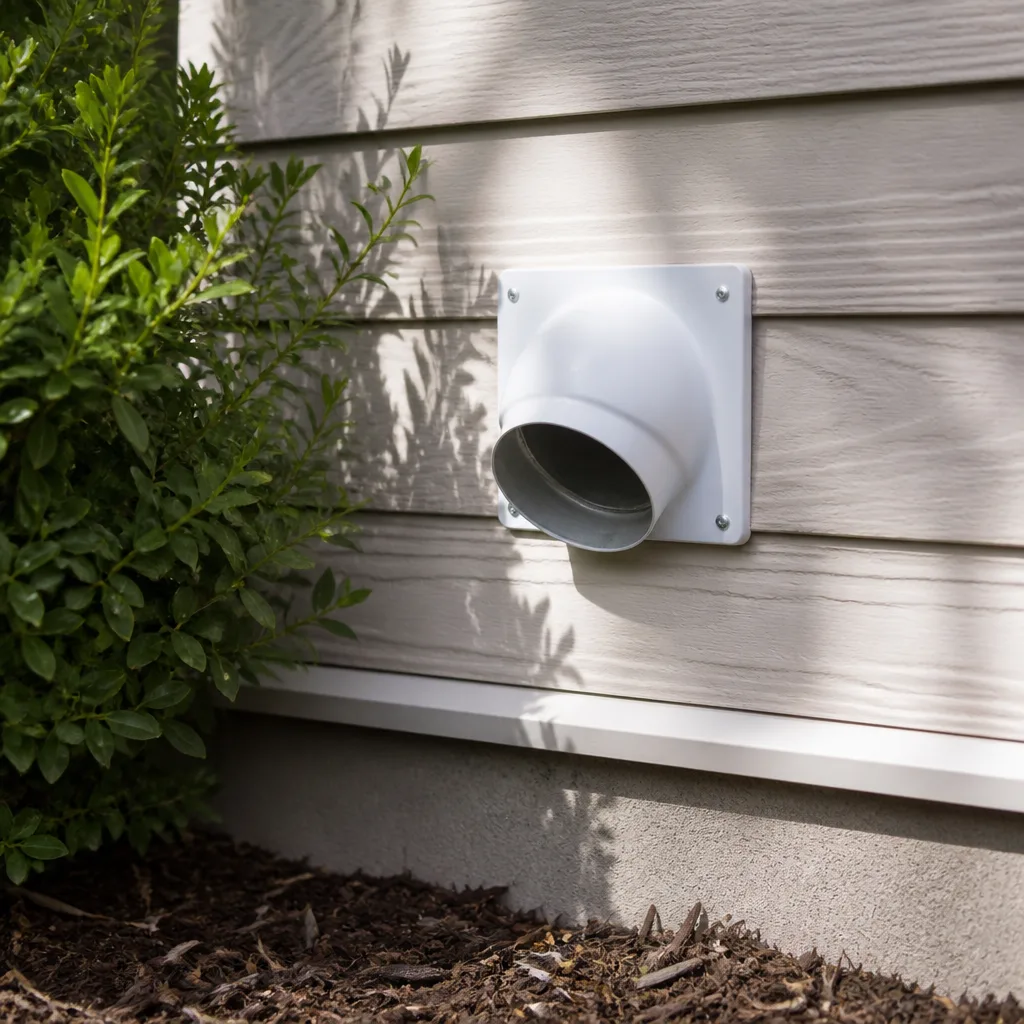 Dryer vent cleaning
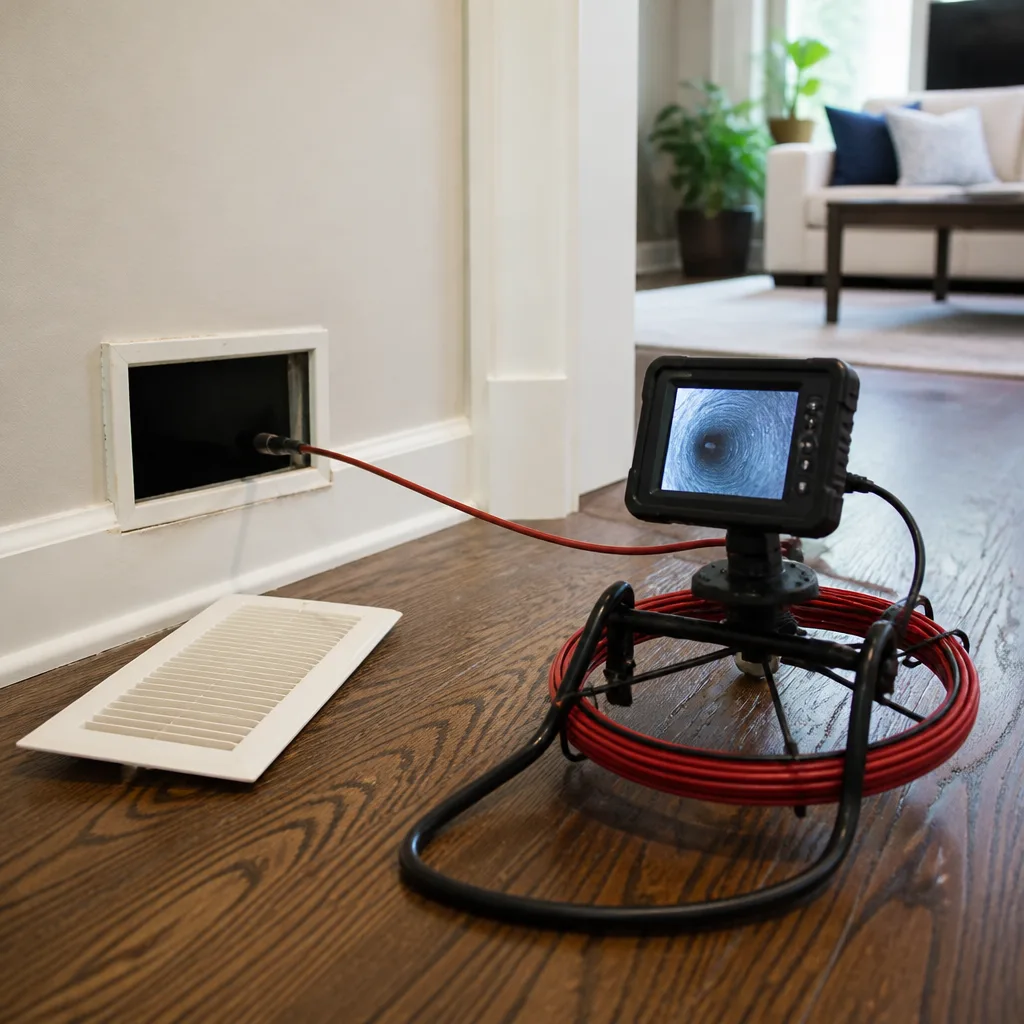 Camera inspection
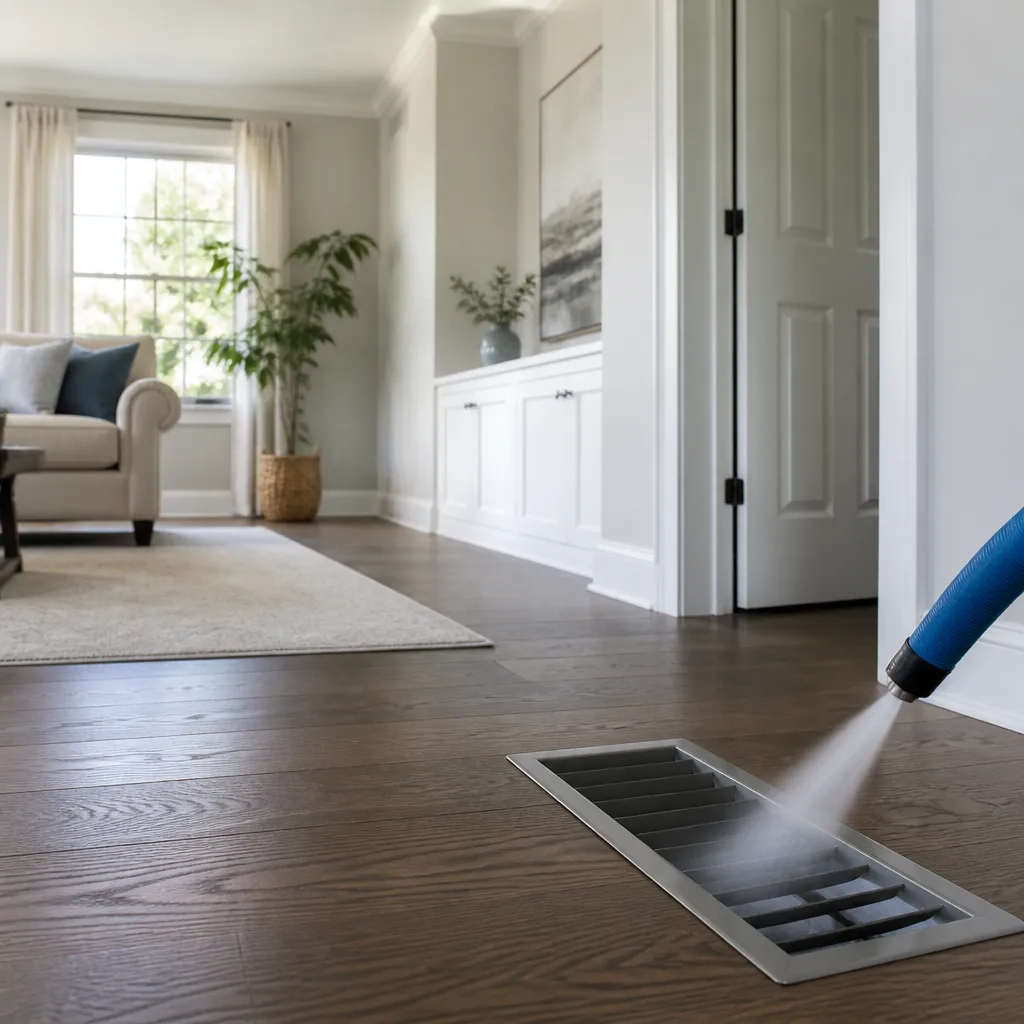 Sanitizing & deodorizing
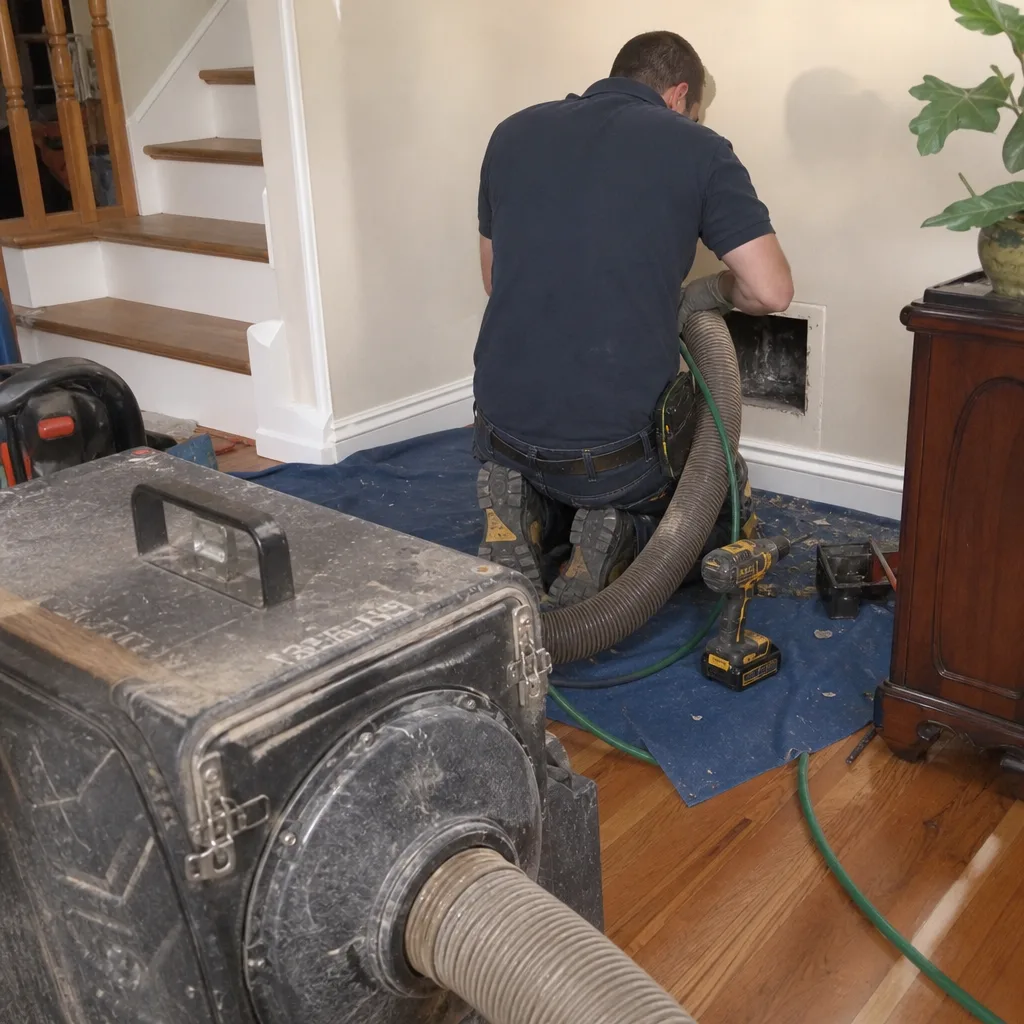
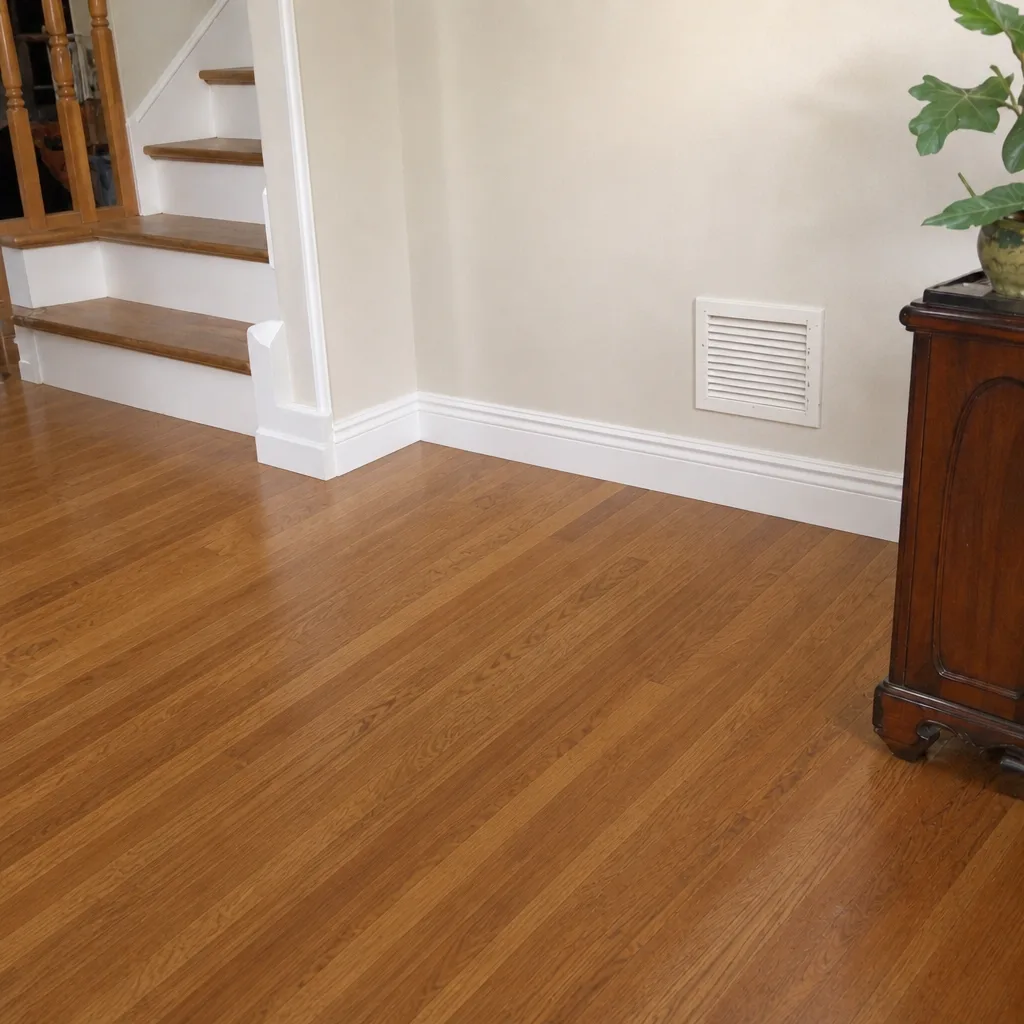
Whole-system duct and dryer vent check with before-and-after photos - you see exactly what came out of your vents
That "$99 whole-house special" is a bait ad - the real number appears once they are in your hallway, or the "clean" is a shop-vac at the register. We photograph the inside of your ducts before and after instead.
DIY vs Professional Air Duct Cleaning: The Layton Homeowner’s Decision Guide
Most homeowners who ask whether they can clean their own ducts are thinking about effort and money. The honest answer sits somewhere less comfortable: the difference between a rented kit and professional equipment isn’t how hard you scrub, it’s pressure. A rented duct cleaning kit generates roughly 1 to 2 inches of water column of negative pressure. Industry-standard professional equipment operates at 10 to 15 inches. Everything below that threshold mostly moves debris around inside the duct instead of pulling it out. This guide explains what that gap means for a Layton home, what you can genuinely handle yourself, and when calling a professional stops being optional and starts being the only sensible move.
Quick Answer
For most Layton homeowners, DIY air duct cleaning is worth doing at the register and filter level, but not inside the duct system itself. Consumer vacuums and rented kits cannot generate the negative pressure needed to remove settled debris from duct interiors, so a DIY attempt usually redistributes dust rather than extracting it. Call a professional when you’ve had renovation dust, a rodent problem, a flood, or visible mold, or when anyone in the house has allergy or respiratory symptoms that won’t settle. Professional cleaning in Layton typically runs $350 to $700 for a whole-house system, with the written estimate setting the final price.
Styles & brands we work with
- Whole-home duct cleaning
- Dryer vent cleaning
- Camera inspection
- Sanitizing & deodorizing
Table of Contents
- Why Negative Pressure Is the Whole Story
- What You Can Legitimately Do Yourself
- When a DIY Attempt Makes Things Worse
- When Professional Cleaning Is Non-Negotiable
- How to Tell Professional Equipment From a Shop-Vac With a Logo
- What Professional Air Duct Cleaning Costs in Layton
- What a Professional Duct Cleaning Actually Involves
- How Often Ducts Really Need Cleaning in Layton
Why Negative Pressure Is the Whole Story
Think of a duct system as a long, sealed box that has been collecting fine dust for years. That dust isn’t loose on the bottom of the duct like sand in a bucket. Much of it clings to the walls through a mix of static and humidity cycles, and some of it has compacted into a layer that behaves almost like felt. To remove it, you need two things working together: mechanical agitation to break the contact with the duct wall, and enough airflow to carry the loosened material out of the system before it settles again.
That second part is where pressure matters. Negative pressure, measured in inches of water column, is the suction the equipment can hold across the whole duct network. A shop-vac rated for a couple of inches can lift dust off a floor, but in a network of ducts it loses its grip almost immediately. Longer runs, elbows, and the distance from the vacuum to the far registers all bleed pressure away. By the time the suction reaches the end of a long trunk line in a Layton basement, there may be nothing left to pull with.
Professional systems are built for that distance. A Rotobrush contact-cleaning setup drives a rotating brush head through the duct while a high-volume vacuum pulls the loosened debris back toward the collection point. Nikro HEPA-rated vacuum extraction holds the pressure needed to move material through the run instead of letting it drift. Together, the agitation and the airflow do the actual removal.
When the pressure threshold isn’t met, here’s what tends to happen:
- Loose surface dust gets stirred into the air and settles onto the HVAC coil and blower.
- Debris on the duct walls is redistributed further down the run rather than removed.
- Fine particulate drifts back out through supply registers into living spaces.
- The homeowner concludes the ducts are clean because the visible vents look better, when the interior hasn’t changed much at all.
That last point explains why so many people end up feeling that duct cleaning doesn’t work. In our experience, the issue is usually the equipment, not the concept. What we remove stays removed when the pressure and the containment are both right.
What You Can Legitimately Do Yourself
Not every duct maintenance task needs a professional. There’s real value in what a homeowner can handle, and doing these things well makes professional work easier when it does come time to book. In Layton, the biggest culprits for indoor dust are filter neglect, pet hair on the return grill, and dryer vent lint, and every one of those is a homeowner-level task.
Register and grill cleaning
Remove the supply and return grills with a screwdriver and wash them in the sink with dish soap and warm water. Vacuum the area behind each grill with a brush attachment. This doesn’t clean the duct, but it removes a meaningful amount of the surface dust that recirculates through the living space.
Filter changes
This is the single highest-impact maintenance task in the whole system. If your filter is a 1-inch pleated type, check it every 30 days in summer and winter. In a Layton home with a pet, expect to change it more often than the box recommends. A clogged filter strains the blower motor, and no amount of duct cleaning compensates for restricted airflow at the filter slot.
Visual inspection
You can look inside a supply duct with a flashlight and a phone camera on a selfie stick. What you’re looking for isn’t a little dust (that’s normal) but rather:
- Visible dark patches that look fuzzy or damp rather than dusty.
- Rodent droppings or nesting material anywhere in the duct.
- Rust on the inside of the duct walls, which points to moisture.
- Debris that stays put when the fan runs, suggesting compaction.
If you see any of the four, stop and call a professional. A camera view alone can’t diagnose the problem, but it can tell you when a real inspection is warranted.
Dryer vent maintenance
The dryer vent is a separate system but a connected one, and homeowner-level maintenance here matters more than most people realize. Pull the dryer out, unhook the flexible connector, and vacuum the lint that has collected at the back of the machine and at the wall connection. Examine the exterior vent flap to make sure it opens and closes freely. If the run through the wall is long, has multiple elbows, or shows no air movement at the exterior flap, get it professionally cleared.
What you shouldn’t attempt
Anything that involves opening the air handler cabinet, removing the coil, cutting into ductwork, or running a rented rotary brush down a trunk line. Those tasks create more problems than they solve on homeowner equipment, and the coil and blower are easy to damage.
When a DIY Attempt Makes Things Worse
The riskiest part of a DIY duct cleaning attempt isn’t wasted time. It’s what happens to the debris you disturb but can’t remove. Fine particulate that sits quietly on a duct wall for years is annoying but stable. Fine particulate that gets blown loose and redistributed through a house can be a different story, particularly for anyone with asthma or allergies.
Here’s the pattern we see most often. A homeowner rents a rotary brush kit, runs it down a few supply runs, and watches a cloud of dust come out of the registers. The vents look cleaner, so the job seems done. But the loosened material has largely been pushed into the trunk line, and some of it has settled onto the evaporator coil or the blower wheel. That’s a much more expensive cleaning problem than the original one, and the indoor air quality in the house hasn’t improved.
There’s a second failure mode worth naming: the wrong brush in the wrong duct. Flexible ductwork, which is common in attic runs in Layton homes, is lined with a thin inner membrane. A wire-bristled brush on a high-speed drill can tear that membrane, and a torn liner creates a duct that leaks conditioned air into the attic and pulls attic dust into the system. Repair costs far more than a professional cleaning would have.
So the question becomes pragmatic. What’s the actual cost of a botched DIY job? A damaged flex run, a fouled coil needing a technician, and a duct system that’s still dirty underneath.
When Professional Cleaning Is Non-Negotiable
Some situations leave no real room for DIY, and it’s worth being direct about which ones.
Post-renovation
Drywall dust is the most aggressive contaminant a residential duct system ever sees. It’s fine, abrasive, and it settles into every horizontal run. It also pulls moisture out of the air, which is why a post-renovation cleaning isn’t about removing visible dust, it’s about stopping the dust from caking onto the coil. If you’ve had walls opened up in a Layton home recently, book the cleaning before turning the system back on. If it’s already back on, book it soon.
Suspected mold in the system
If you can see dark growth inside a duct or you smell a persistent musty odor when the fan runs, that’s not a DIY situation. Disturbing mold without containment spreads spores through the living space. Professional work involves Abatement Technologies negative-air containment equipment to hold contaminants in the work zone while removal happens, followed by a sanitizing step using products from the Guardsman line. That’s a clean-then-treat sequence, not a blow-and-go.
Rodent activity
Rodent droppings in a duct system are a genuine health concern and require more than vacuuming. Professional cleaning here involves HEPA-rated extraction (Nikro equipment is spec’d for it) and sanitizing after removal. A shop-vac will aerosolize the droppings instead of containing them.
Post-flood or water intrusion
Any time water has entered the duct system, the ducts are a candidate for either cleaning or replacement depending on extent. This is a diagnostic question before it’s a cleaning question, and it’s best handled by someone with the equipment to inspect the full run.
New baby, pet introduction, or worsening allergies
Some of these situations land more softly than others. If someone in the house has developed new respiratory symptoms, or a baby is due to arrive, a professional cleaning plus a filter upgrade to a Honeywell or Aprilaire product can produce measurable improvement. It’s a health decision at that point, not a housekeeping one.
How to Tell Professional Equipment From a Shop-Vac With a Logo
Here’s the part most homeowners never ask about, and they should. A landscaper with a shop-vac and a magnetic sign on the truck can call himself a duct cleaner. The question is what equipment he actually brings into the house.
Ask these questions before you book:
- What vacuum are you using? A real answer names a professional brand: Rotobrush, Nikro, Abatement Technologies. A vague answer (“a commercial unit”) usually means consumer-grade.
- Do you use contact agitation? If the answer is just “we vacuum the registers,” you’re not getting a duct cleaning. You want a rotary brush system that contacts the duct walls.
- Is the vacuum HEPA-rated? HEPA filtration on the exhaust side means fine particulate stays in the machine instead of returning to your air.
- Do you use negative-air containment? This is critical for any home with contamination, mold, or renovation dust. Abatement Technologies equipment is built for this.
- Will you photograph the before and after? A contractor who can’t show you what the ducts looked like before the work and after is asking you to take it on faith.
- Is there a written scope and price? The price should be per system, not per vent. A per-vent price is a sign you’ll see a much higher number when the technician is on site.
Any real duct cleaning company in Layton or anywhere else should answer these without hesitation. If they can’t, that tells you something. The right professional, licensed and insured as Utah requires, will walk you through the equipment before the work starts.
What Professional Air Duct Cleaning Costs in Layton
Honest pricing in the Layton market breaks down roughly like this, and the final number always comes from the written estimate:
| Service | Typical Range |
|---|---|
| Whole-house air duct cleaning (standard, up to about 12 registers) | $350 – $550 |
| Whole-house air duct cleaning (larger system, more runs) | $550 – $700 |
| Add-on: sanitizing treatment | $75 – $150 |
| Add-on: dryer vent cleaning | $100 – $175 |
| Duct repair or re-sealing (per section) | $150 – $350 |
Those ranges assume a straightforward house with nothing unusual. A home with a zoo of flex runs in a hot attic, or one that hasn’t had duct cleaning in a decade, sits at the upper end. A home with mold or rodent findings usually requires sanitizing and possibly sealing, which pushes it beyond the base cleaning range.
Compare that against a coupon offer of $99 for “the whole house.” You already know something has to give. Either the technician takes 20 minutes and only vacuums the registers, or the coupon price becomes a much larger invoice once he’s inside. One flat price per system agreed before work starts is the honest version of the transaction.
What a Professional Duct Cleaning Actually Involves
A full cleaning in a Layton home usually takes two to four hours, depending on size and access. It follows a defined sequence rather than an ad hoc one:
- Inspection and setup. The technician inspects every register, the air handler, and the trunk line, then sets up negative-air containment if needed.
- Connect the vacuum. The main collection vacuum is hooked to the system at a central access point so the whole run is under negative pressure.
- Agitate every run. Rotobrush contact cleaning works through the supply and return runs one at a time, loosening debris off the walls.
- Clean the air handler and coil. The blower compartment and evaporator coil are cleaned by hand, since these aren’t part of the duct run itself but collect the same debris.
- Sanitize. A sanitizing treatment follows the cleaning, using Guardsman-line products. This is a separate, named part of the service, not an afterthought.
- Photograph and verify. Before-and-after photos of the ducts go to the homeowner, so the work is documented.
Our technicians have up to 9 years of experience with this sequence. If you’re also booking dryer vent cleaning at the same time, that’s typically added on at the end of the visit. For a full-scope air system service, we handle HVAC cleaning in the same visit.
How Often Ducts Really Need Cleaning in Layton
Most housing authorities and manufacturers recommend a professional cleaning every three to five years for a typical home. That’s not a universal rule, and in practice duct cleaning is driven more by events than by a calendar.
Events that trigger cleaning in Layton homes:
- A remodel or renovation that opened up walls or disturbed the ceiling.
- A new pet, a new baby, or a household member diagnosed with asthma or allergies.
- Visible dust blowing out of registers when the system turns on.
- A musty smell when the fan runs.
- Rodent activity anywhere in the house or attic.
- Water intrusion, even a small one, that wet any part of the duct system.
Otherwise, the schedule matters less than the condition of the filter and the state of the air handler. A Layton home with pets, mature trees nearby, and windows open in spring may need cleaning closer to the three-year mark. A newer home with a quality filter on a regular change schedule can go longer.
If you want a straight read on your own situation, a free estimate is the fastest way. The technician will inspect the system and tell you what the ducts actually need rather than what the calendar says.
Common Mistakes to Avoid
- Renting a duct cleaning kit from a hardware store. The pressure just isn’t there, and the brushes are designed for lightly soiled commercial runs, not compacted residential dust. You’ll stir up more than you remove.
- Booking the cheapest coupon offer. A $99 whole-house figure almost always becomes a much larger invoice once the technician is on site, and often covers only the registers. Watch for a per-vent price, which is the tell.
- Skipping the post-renovation cleaning. Drywall dust doesn’t declog on its own. Once it’s on the coil, it pulls moisture, cakes up, and reduces airflow permanently.
- Running a rotary brush through flex duct in the attic. Layton homes with attic flex runs are especially vulnerable to liner damage. A wire brush at high speed can tear the inner membrane.
- Assuming visible register dust means the ducts are dirty. Registers collect dust from the room. The real diagnostic is inside the run or at the air handler.
- Forgetting the dryer vent. Lint buildup in the vent is a genuine fire risk and is easy to overlook because the dryer still seems to work.
- Not asking what equipment the contractor will bring. A shop-vac and a magnetic sign isn’t professional-grade air duct cleaning, and asking the question takes two minutes.
See the difference
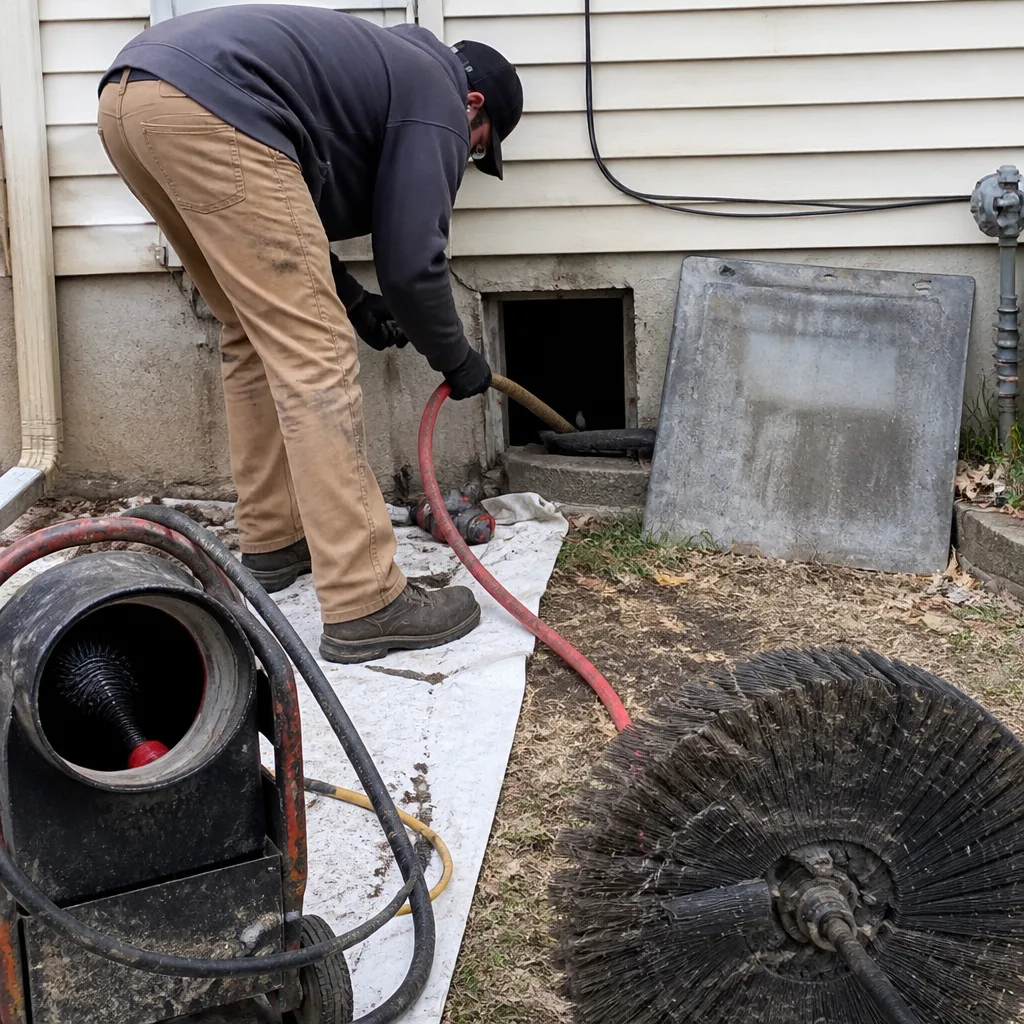 Before
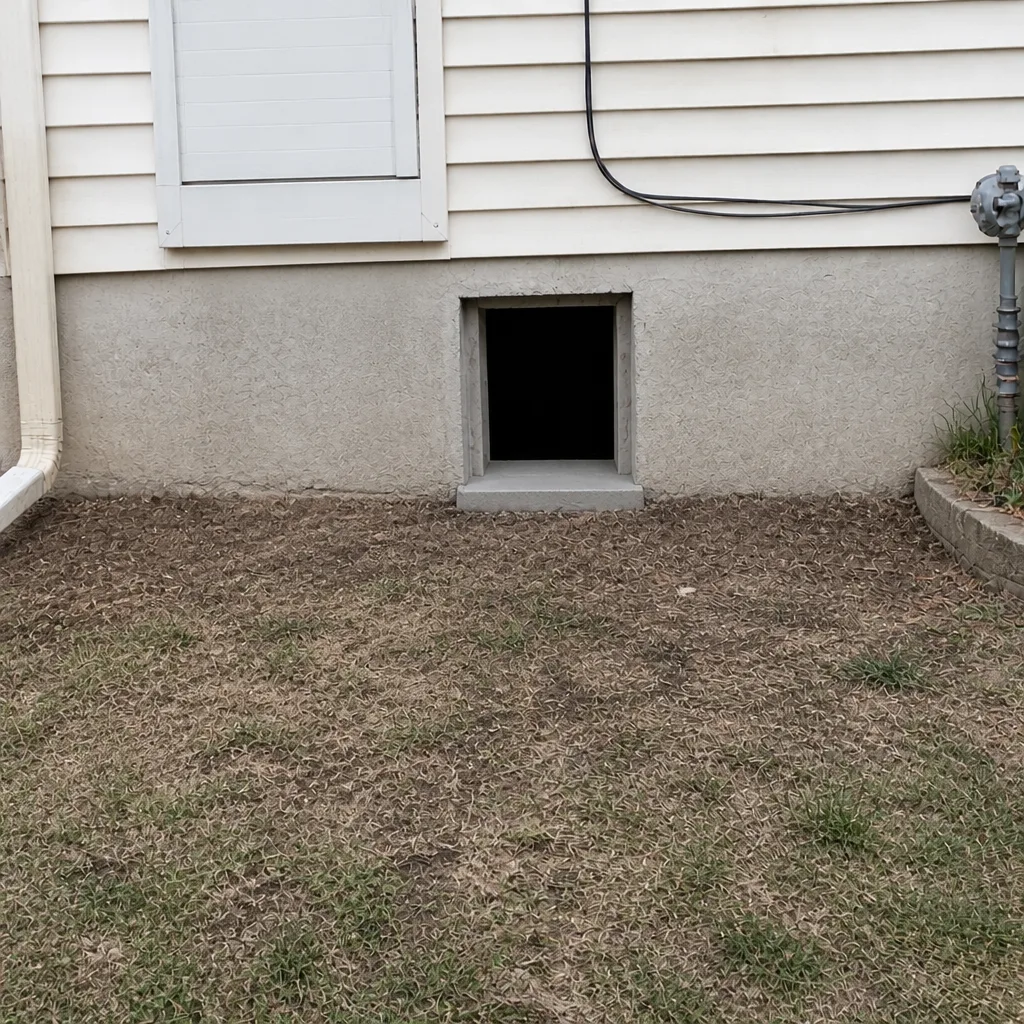 After
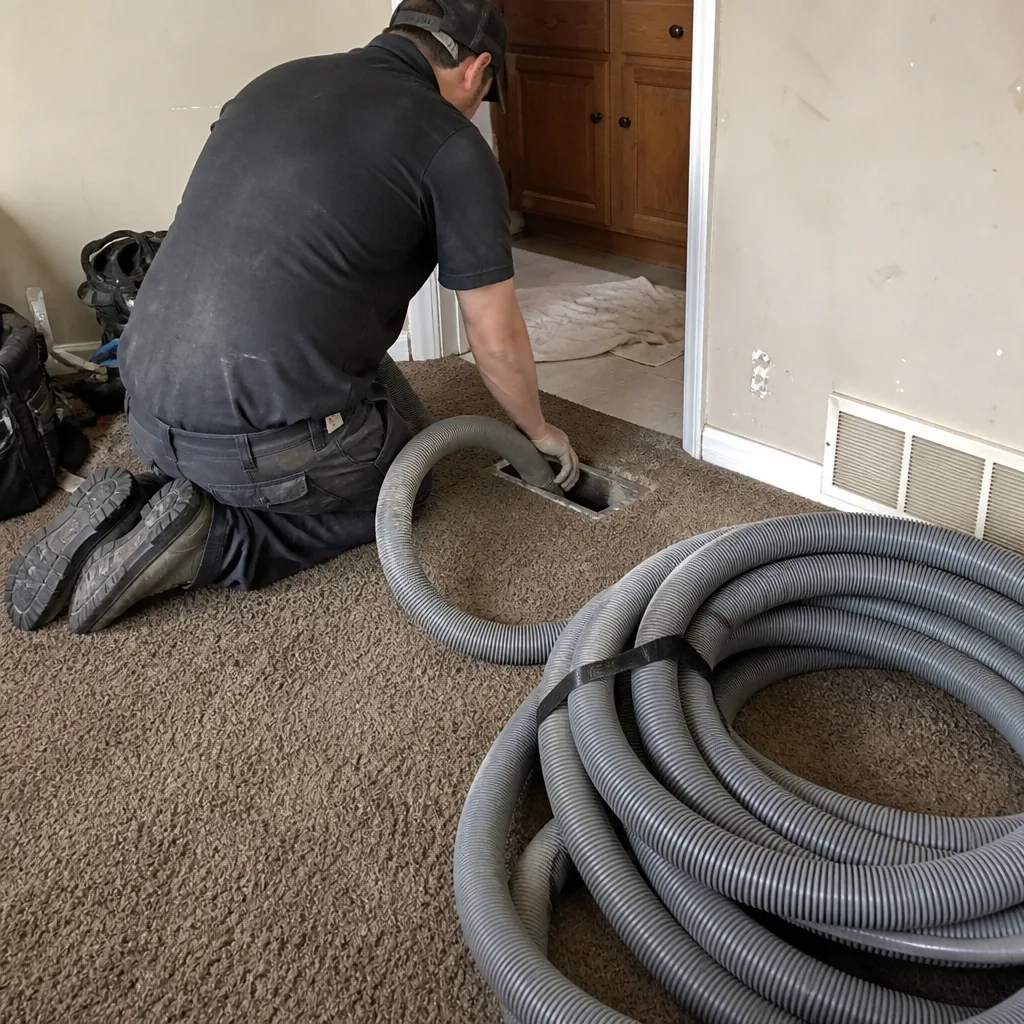 Before
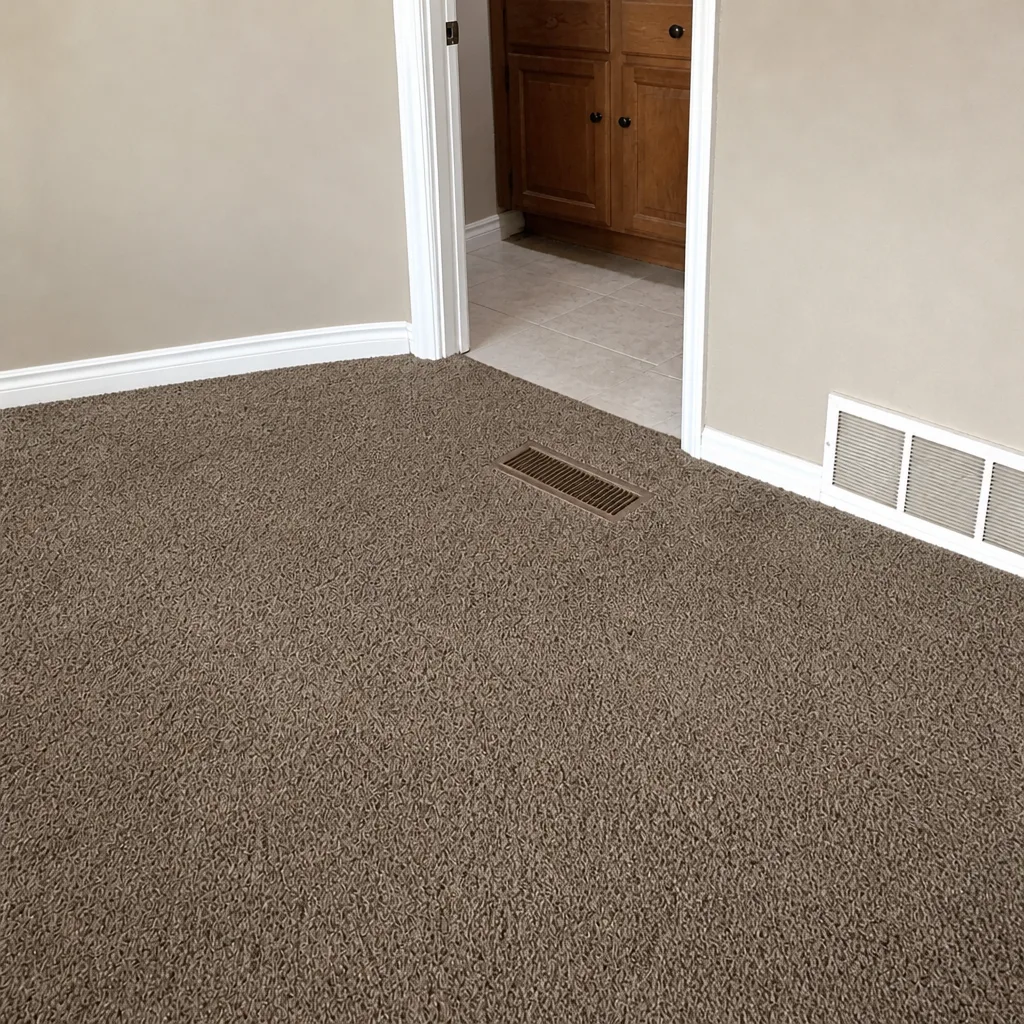 After
 Before
 After
When to Call a Professional
Call right away in any of these situations: renovation dust in the system, visible mold or persistent musty odors, rodent droppings, water intrusion, a dryer that takes more than one cycle to dry a load, or any household member whose respiratory symptoms get worse when the HVAC runs. In each of those cases, DIY equipment can spread contamination instead of removing it. For routine maintenance on a system that’s otherwise healthy, a professional cleaning every few years is enough, and you’re welcome to handle the filter and register work yourself in between. Air duct cleaning in Layton through Layton Air Duct Cleaning starts with a free estimate at (833) 754-7579. We answer 24/7. Fast dispatch from 7am to 7pm, Sunday through Friday.
Frequently Asked Questions
You can handle register cleaning, filter changes, and visual inspection yourself, and those tasks matter. You can’t achieve the negative pressure needed to remove debris from inside the duct run with consumer equipment. A rented kit operates at 1 to 2 inches of water column versus 10 to 15 for professional systems, so the practical answer is: yes at the register, no in the ducts. Call (833) 754-7579 for a free estimate and to get a professional read on your system.
A whole-house cleaning in Layton typically runs $350 to $700 depending on size and condition, with sanitizing, dryer vent cleaning, and duct repair quoted separately. The written estimate sets the final price. Be wary of any price advertised per vent, because that pricing structure almost always grows on site. Call (833) 754-7579 for a specific quote on your home.
Cheap quotes usually mean less equipment or a shorter visit. A crew using a shop-vac can undercut a professional quote by hundreds of dollars because they’re not doing the same work. Ask what vacuum, what brush, and what containment they bring before you book, and the honest answer will separate the two clearly. Call (833) 754-7579 if you’d like to see what a full-scope quote looks like.
Ask for before-and-after photos of your own ducts, and check the blower compartment and coil as well as the runs. A contractor who can’t show documentation of the work before and after is asking you to take their word for it. Our technicians photograph the ducts as part of the service. Call (833) 754-7579 to schedule.
Every three to five years is a reasonable baseline for most homes, but events matter more than the calendar. Renovation, a new pet, a baby, a diagnosed allergy, water intrusion, or rodent activity should trigger a cleaning sooner. If you’re unsure, a free estimate will tell you what the system actually needs. Call (833) 754-7579.
No. Both situations require containment and HEPA-rated extraction so contaminants can’t return to the air, and a shop-vac will aerosolize them into the living space. Professional cleaning with negative-air containment from Abatement Technologies equipment, followed by proper sanitizing, is the only safe path. Call (833) 754-7579 and we’ll explain the sequence over the phone.
The Bottom Line
The DIY versus professional question for duct cleaning comes down to pressure. Consumer equipment can’t reach the negative pressure needed to remove settled debris from inside a duct run, and a DIY attempt usually redistributes dust onto the coil or into the next room. Everything a homeowner can legitimately do (register cleaning, filter changes, visual inspection, dryer vent upkeep) is worth doing well, and it makes the professional visit more effective when it comes. For any situation involving renovation dust, mold, rodents, water, or a health concern, professional cleaning with the right equipment is the only sensible call. One flat price per system, before-and-after photos, and a written estimate – that’s the standard worth holding any duct cleaner to in Layton.
To book a free estimate or ask a question about your system, call (833) 754-7579. We answer 24/7. Fast dispatch from 7am to 7pm, Sunday through Friday.
Written by the team at Layton Air Duct Cleaning.