
Last updated November 25, 2026
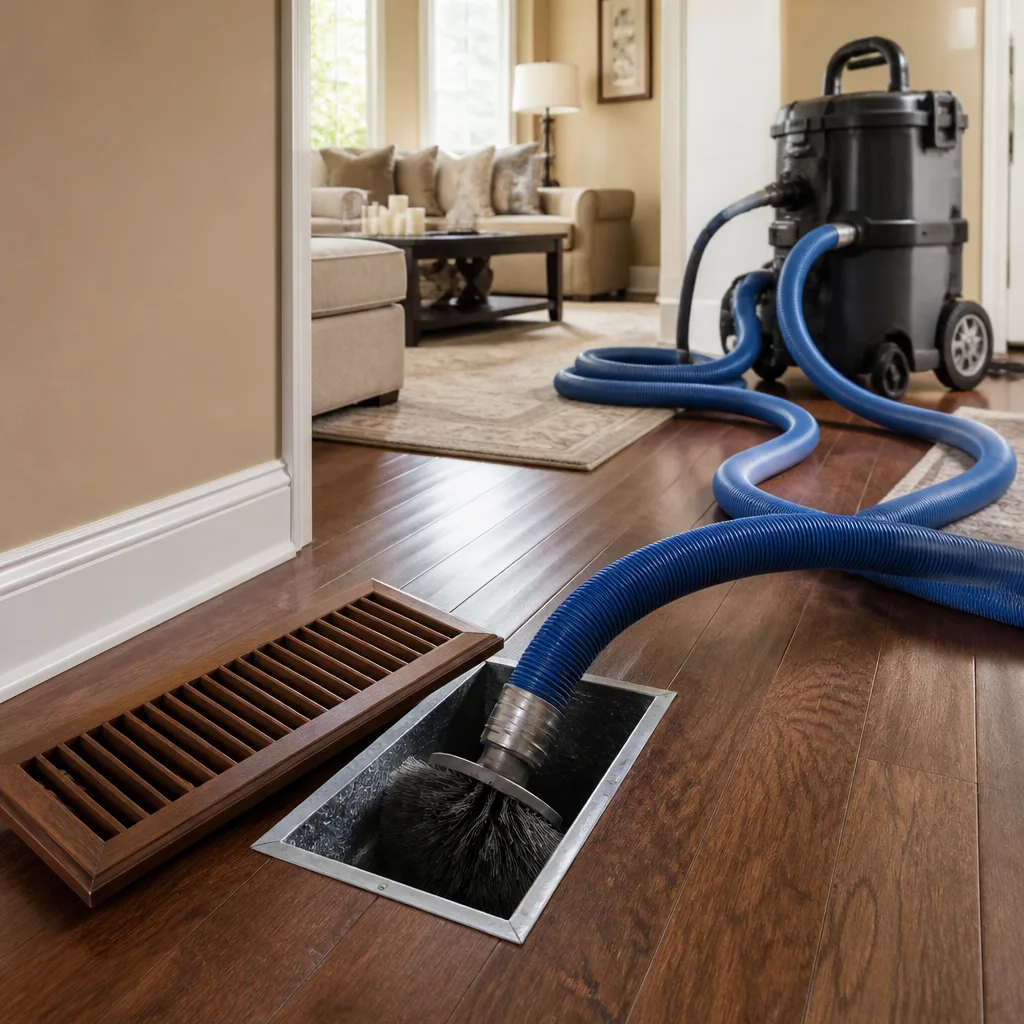 Whole-home duct cleaning
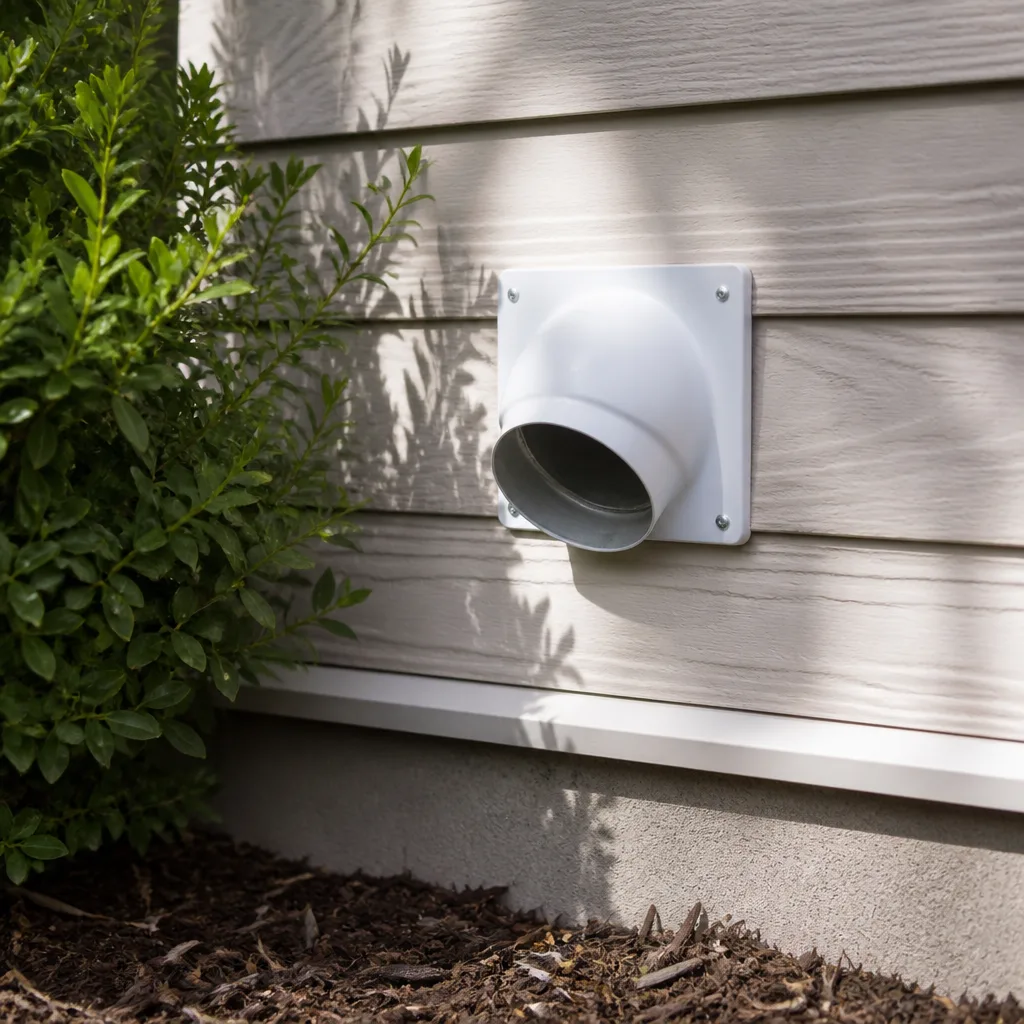 Dryer vent cleaning
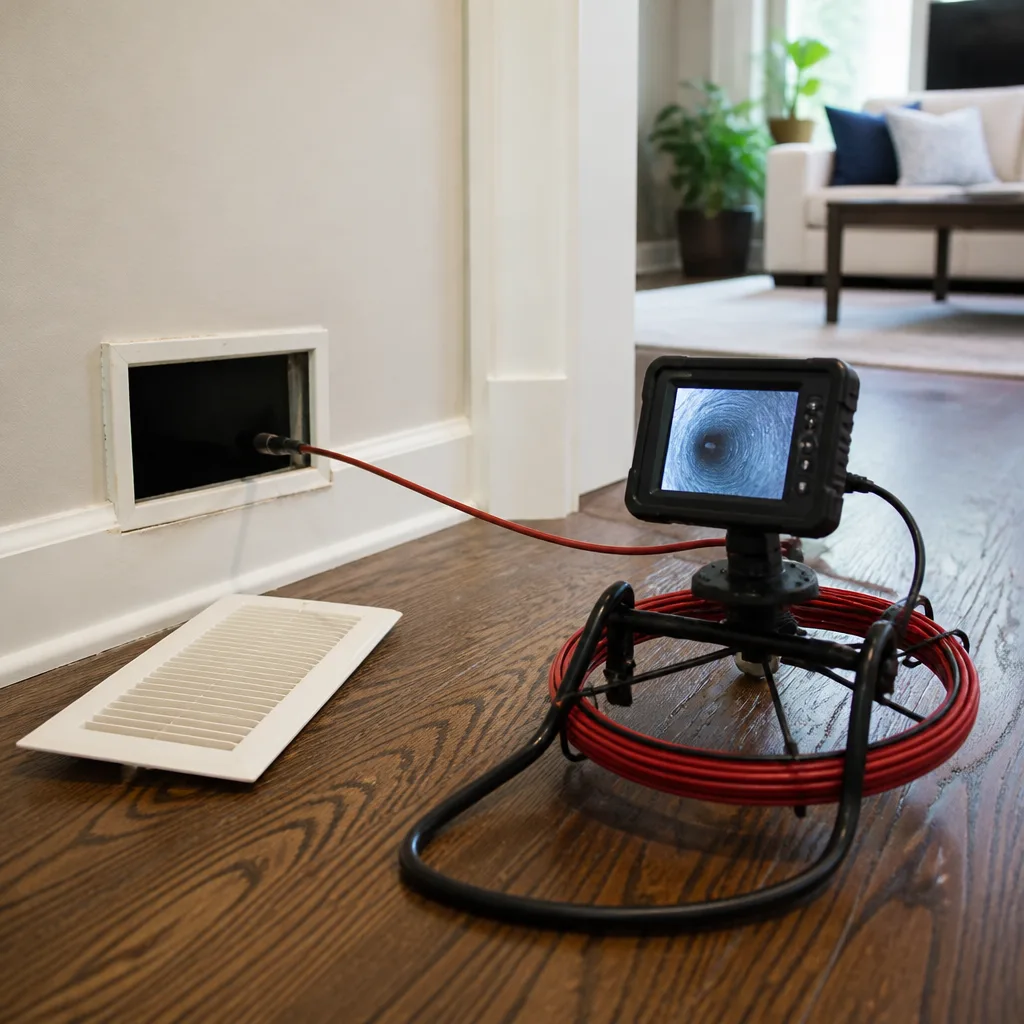 Camera inspection
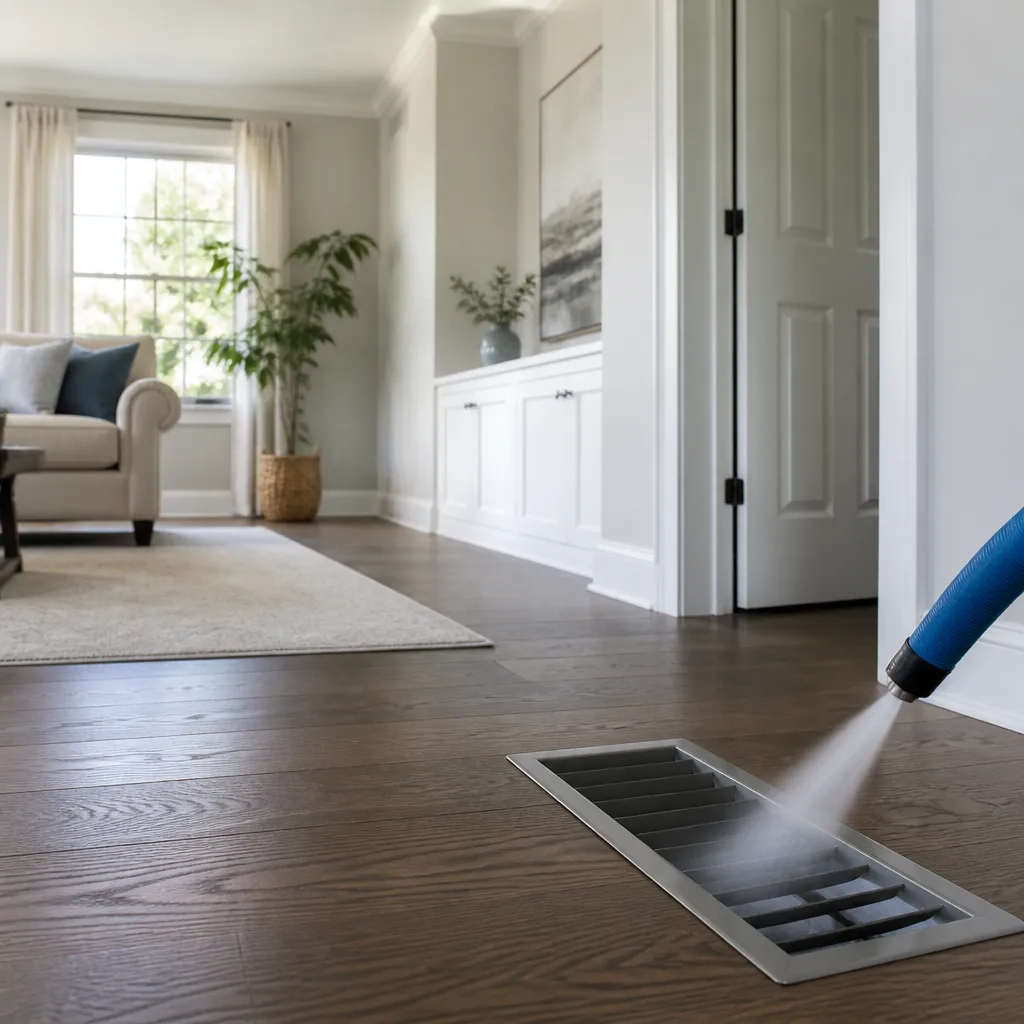 Sanitizing & deodorizing
Whole-system duct and dryer vent check with before-and-after photos - you see exactly what came out of your vents
That "$99 whole-house special" is a bait ad - the real number appears once they are in your hallway, or the "clean" is a shop-vac at the register. We photograph the inside of your ducts before and after instead.
Air Duct Cleaning Cost Breakdown: The Layton Homeowner’s Reference for 2026
The cheapest air duct cleaning quote you’ll get in Layton typically leaves out the three places where contamination collects the hardest: the main supply trunk, the return plenum, and the air handler compartment. That’s not a knock on any one contractor. It’s how a low bid gets to be low. When one crew quotes a flat number for “the whole house” and another quotes a larger number for “the system,” they may be describing two entirely different jobs. This guide takes the quote apart line by line, so you can compare what’s actually being cleaned, not just what’s being charged. By the end you’ll know what a full-scope cleaning includes, what the add-ons are really worth, and the exact questions to ask before you say yes to anyone.
Quick Answer
In Layton, a full-scope residential air duct cleaning typically runs from about a few hundred dollars for a smaller, simpler system up to four figures for a larger home with multiple zones, the air handler, coil cleaning, and sanitizing, and the written estimate sets the final price. The number matters less than what’s included. A quote that omits the main trunk, the return plenum, or the air handler isn’t a bargain, it’s a different (smaller) job that will need doing again sooner.
A note before we go further: pricing is per job by estimate. We don’t quote per vent, and we don’t hand out teaser numbers over the phone. We look at the system and write down exactly what we’ll clean and what it costs, before any work starts.
Styles & brands we work with
- Whole-home duct cleaning
- Dryer vent cleaning
- Camera inspection
- Sanitizing & deodorizing
Table of Contents
- What does air duct cleaning cost in Layton? A line-item table
- What a full-scope cleaning includes (and what a cheap bid leaves out)
- How home size, duct material, and system age change the price
- Add-ons worth paying for vs. upsells that rarely justify the cost
- Why the lowest bid often costs more over three years
- Why equipment decides the result (and the price)
- How to get a quote that reflects real scope: questions to ask
- Common mistakes to avoid
- When to call a professional
- Frequently asked questions
What does air duct cleaning cost in Layton? A line-item table
Air duct cleaning in a Layton home typically breaks into a handful of line items, and each one carries its own cost range. When you see them listed separately, you can compare two quotes on equal footing. The table below shows the components of a full-scope job and how each is usually priced. The ranges are typical estimates for the Layton market in 2026, and the written estimate is what sets your final price.
- Whole-home duct cleaning, main supply and branch runs (small-to-mid single-story home): roughly a few hundred dollars at the low end.
- Main supply trunk and return plenum, cleaned as part of a full-scope system job: typically the difference between a “vent cleaning” and a real system cleaning, often several hundred dollars more when priced as a discrete item.
- Air handler compartment and blower cleaning: a mid-hundreds line item when added, less when bundled into a full-scope job.
- Evaporator coil cleaning: a few hundred dollars as a standalone add-on, sometimes less as part of a system bundle.
- Sanitizing the duct interior (misting or fogging after cleaning): typically a modest per-system addition, priced by system, not by vent.
- Dryer vent cleaning: usually a smaller line item than the ducts, priced per run and by length and access.
- Duct repair and sealing (on top of cleaning): priced by the extent of the repair, not as a flat add-on.
Notice these are whole-system prices. A rep who tells you a per-vent number is answering a different question than the one you asked, because the dirt isn’t distributed evenly across the vents. It settles in the trunk, the plenum, and the air handler. A contractor charging by the vent usually shows up, cleans the vents only, and leaves the dirtier parts of the system untouched.
If you’re ready for a real number on your home, call (833) 754-7579. We answer 24/7, and the estimate is free.
What a full-scope cleaning includes (and what a cheap bid leaves out)
A full-scope air duct cleaning treats the whole air pathway as one connected system. That includes the supply vents, the branch runs behind them, the main supply trunk, the return plenum, the return grilles, and the air handler compartment where the blower and coil live. When any of those are skipped, the dirt you can’t see keeps circulating.
Here’s the practical difference. Most cheap bids quote a “whole home” cleaning that means the visible vents only. The vents are the least contaminated part of the system, because they’re exposed to room air and get dusted by normal household cleaning. The real accumulation happens in the trunk, the return, and the air handler, and that’s exactly where a vent-only cleaning doesn’t reach.
A full-scope cleaning should include:
- Source-removal, not source-agitation. Every supply and return is cleaned with contact pressure, then the loosened debris is extracted, not just stirred into the air.
- Main supply trunk. This is the big duct running from the air handler out toward the rooms.
- Return plenum. The return side often carries more dust because it pulls air from the whole home.
- Air handler compartment. If the fan and coil are dirty, cleaning the ducts without cleaning these leaves the debris source in place.
- Photo proof before and after. You should see what came out and what was left.
This is why we do things the way we do. Our air duct cleaning is built around professional equipment from Rotobrush and Nikro, with HEPA-rated extraction so what we loosen comes out of the system instead of drifting into your living room. And if your cleaning turns up gaps or loose joints in the ducts, we can seal them on the same visit rather than handing you off to another contractor. That’s the point of covering the full air pathway: the cleaning and the repair talk to each other.
How home size, duct material, and system age change the price
Three factors drive most of the price difference between one Layton home and another: square footage and system layout, duct material, and the age and condition of the system. None of them are surprises to an experienced estimator, and none of them should ever be a mystery on the invoice.
Home size and system layout
Layton’s housing stock runs from modest older single-story homes on the flat bench near the center to newer, larger two-story builds farther out. A larger home with two HVAC systems, multiple return plenums, and a run that pushes through both floors is a longer, more complex job than a single-zone, single-system home. The cost difference isn’t about how many vents there are, it’s about how much duct volume there is to run equipment through and how many access points a technician needs to open.
Duct material
Sheet-metal trunk lines handle contact cleaning differently than flexible duct runs, and both differ from ductboard. Flex duct needs lower-pressure technique to avoid damage to the liner, and older ductboard systems sometimes need more careful access. If your house has a mix of materials (very common in homes that have been added onto), the estimate reflects that mixed job.
System age and condition
An older system that has never been cleaned can carry years of accumulated debris through the trunk and plenum, which is more work than a light cleaning of a system that gets attention. If the inspection turns up disconnected joints, crushed flex runs, or a compromised air handler seal, that repair is priced separately from cleaning. Duct repair and sealing is one of the services we handle, so the estimate can cover both the cleaning and the fix in a single visit.
One more Layton-specific note. Northern Utah homes run their furnaces hard through the winter and their cooling through the dry summer, so the system is under load most of the year. That’s a maintenance rhythm question more than a cost question, and we cover it further down.
Add-ons worth paying for vs. upsells that rarely justify the cost
Some add-ons genuinely raise the value of the job. Others are padding. Here’s how we think about them, and how you should too.
Worth paying for
- Air handler and blower cleaning. If the ducts are clean but the blower is caked with dust, the next time the system runs it re-contaminates everything downstream. This one is not optional on a full-scope job.
- Evaporator coil cleaning. A dirty coil taxes the system and cuts efficiency. Cleaning it during the same visit is far less work than pulling it apart later.
- Sanitizing. After source removal, a sanitizing mist treats the interior surfaces. We treat this as a named part of the service lineup, not a quick upsell, and we use Guardsman-line products for it. Worth doing in homes with allergy-sensitive occupants, after a renovation, or after the discovery of mold or pet odor.
- Dryer vent cleaning. This is a fire-safety item, not a cosmetic one. Lint accumulation in the vent is a documented cause of house fires, and clearing it belongs alongside the duct work. Our dryer vent cleaning is priced per run, and it’s one of the easiest safety improvements in the home.
Rarely justifies the cost
- Per-vent “treatments” that promise to coat each vent but never touch the trunk.
- Enzyme or UV “systems” added at the door without any inspection of the actual contamination.
- Repeated sanitizing after every cleaning when there’s no specific reason (no odor, no mold, no renovation). Sanitizing is a service, not a subscription.
If your Honeywell or Aprilaire filter or humidifier needs service while we’re there, that’s an easy fit. We work with both product lines, which means the cleaning and the filtration upgrade can happen in one visit instead of two.
Why the lowest bid often costs more over three years
A cleaning done without real extraction equipment leaves a good deal of the loosened debris behind in the trunk and plenum. That debris settles again, and within a season or two the homeowner is back where they started, looking for another cleaning. The cheap invoice doesn’t stay cheap for long.
Consider the mechanics. A low-bid crew using a shop-vac and a brush on a drill loosens dust and moves some of it, but without a HEPA-rated and properly sealed vacuum pulling against it, a portion resuspends in the living space and a portion settles back into the ducts. Over a year or two, that pattern means a second cleaning sooner than a properly cleaned home would need one. Add up two or three underperforming cleanings and you’ve paid more, on a dollar basis and a time basis, than one proper cleaning would have cost.
Then there’s the equipment differential itself. A Rotobrush contact brush is engineered to reach the duct wall, and a Nikro HEPA vacuum holds the extracted debris inside a sealed container without venting it back into the room. Those tools are part of why a properly priced job costs what it does. They’re also part of why doing it once properly is cheaper than doing it twice cheaply.
For a property manager, the math is sharper still. Every cleaning is a tenant touch, a scheduled visit, and a disruption. Doing the job correctly the first time is the version that reduces disruption. That’s why we treat the full air pathway as the unit of work, from duct cleaning through sealing, and don’t quote a stripped-down version that leaves the next cleaning three steps closer.
Why equipment decides the result (and the price)
Two quotes for “air duct cleaning” can describe two different machines. Since the equipment is the single biggest cost difference on a duct job, it pays to know what the brands mean.
Rotobrush is the contact-cleaning standard in residential duct work. The rotary brush gets to the duct wall and lifts the settled debris; a shop-vac and a hand brush can’t match it on the trunk and plenum. Nikro HEPA-rated vacuums are built for filtration at a level that keeps the collected debris inside the machine, not recirculating into the air you breathe. Abatement Technologies equipment comes from the commercial negative-air and contaminant-containment world, and it’s the difference between a company that thinks about what’s leaving the duct and one that doesn’t. When you hire a company that carries Abatement equipment, the operation is designed so that what we remove stays removed.
We’ve invested in all three quarters of that toolkit, along with the air quality products (Honeywell, Aprilaire, Guardsman) that let us finish the job with recognized parts instead of generics. For HVAC cleaning, the equipment story matters even more, because a dirty blower and coil in the air handler are the contamination source the ducts are downstream of.
Our technicians have up to 9 years of experience with this equipment, and we’re happy to talk through what a specific cleaning will look like on your system.
How to get a quote that reflects real scope: questions to ask
A good quote is only as good as the questions behind it. Before you give any contractor a yes, ask the following. The answers will tell you, faster than any price, whether the scope is real.
- Does the price include the main supply trunk and the return plenum? If the answer is “we clean the vents,” the scope is short.
- Does it include the air handler compartment? This is where the blower and coil live, and where re-contamination starts.
- What equipment do you use, and can you name the brands? Rotobrush, Nikro, or Abatement Technologies are the ones to look for. A shop-vac alone is not professional-grade equipment.
- Is the price per system or per vent? Per-system pricing with a written scope is what you want. Per-vent pricing usually signals a vent-only job.
- Will I get before-and-after photos of my own ducts? This is the single most reliable quality signal on a duct contract. Photo proof of your ducts, not stock images.
- What happens if you find damaged or disconnected ducts during the cleaning? A full-scope contractor can repair and seal on the same visit. A vent-only crew typically can’t.
- Is the estimate in writing before work starts? It should be, with the scope spelled out line by line.
If you’re not sure whether your home needs a full-scope cleaning or a lighter one, call (833) 754-7579. We answer 24/7, and we can schedule fast dispatch from 7am to 7pm, Sunday through Friday. The estimate is free, and there’s no obligation once you have the number.
Common Mistakes to Avoid
- Comparing total prices instead of scopes. A $299 quote and a $799 quote aren’t describing the same job until you check what each one covers. Ask to see the scope next to the price, not just the price.
- Accepting a per-vent quote without asking about the trunk. Per-vent pricing almost always means the main trunk and the return plenum aren’t on the list, which is the opposite of what a full-scope job needs.
- Paying for a second cleaning instead of a first one done right. The cheapest cleaning on a Layton home often needs repeating within a couple of years, which erases the savings.
- Skipping the air handler. Cleaning ducts without cleaning the blower and coil leaves the contamination source in place, and the ducts refill.
- Treating dryer vent cleaning as optional. Lint buildup in a dryer vent is a fire risk, and it’s cheap to clear alongside the duct work.
- Accepting no proof of the work. If a contractor won’t show before-and-after photos of your own system, ask why.
- Assuming the dry Utah climate means less cleaning. Northern Utah’s dry summer air and heavy heating season keep a system running year-round, and dust accumulates as it does anywhere else.
See the difference
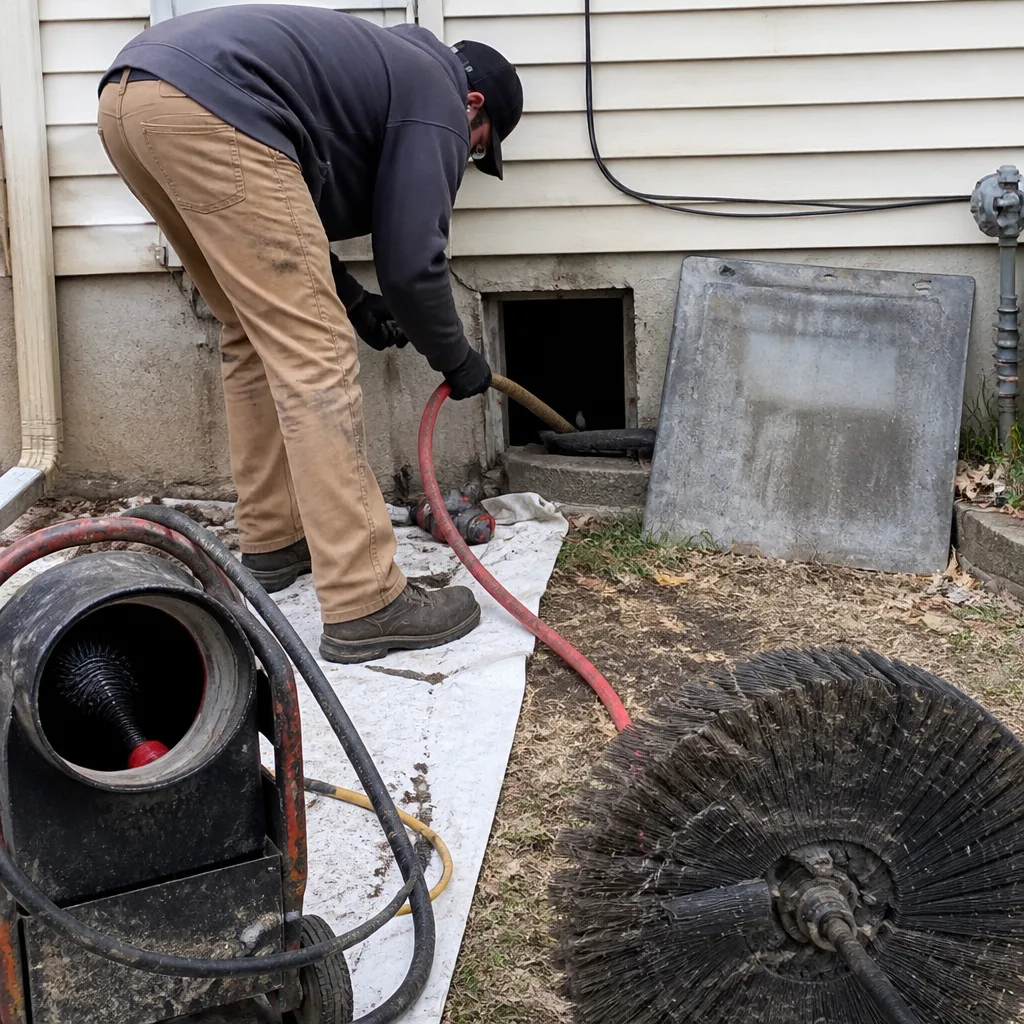 Before
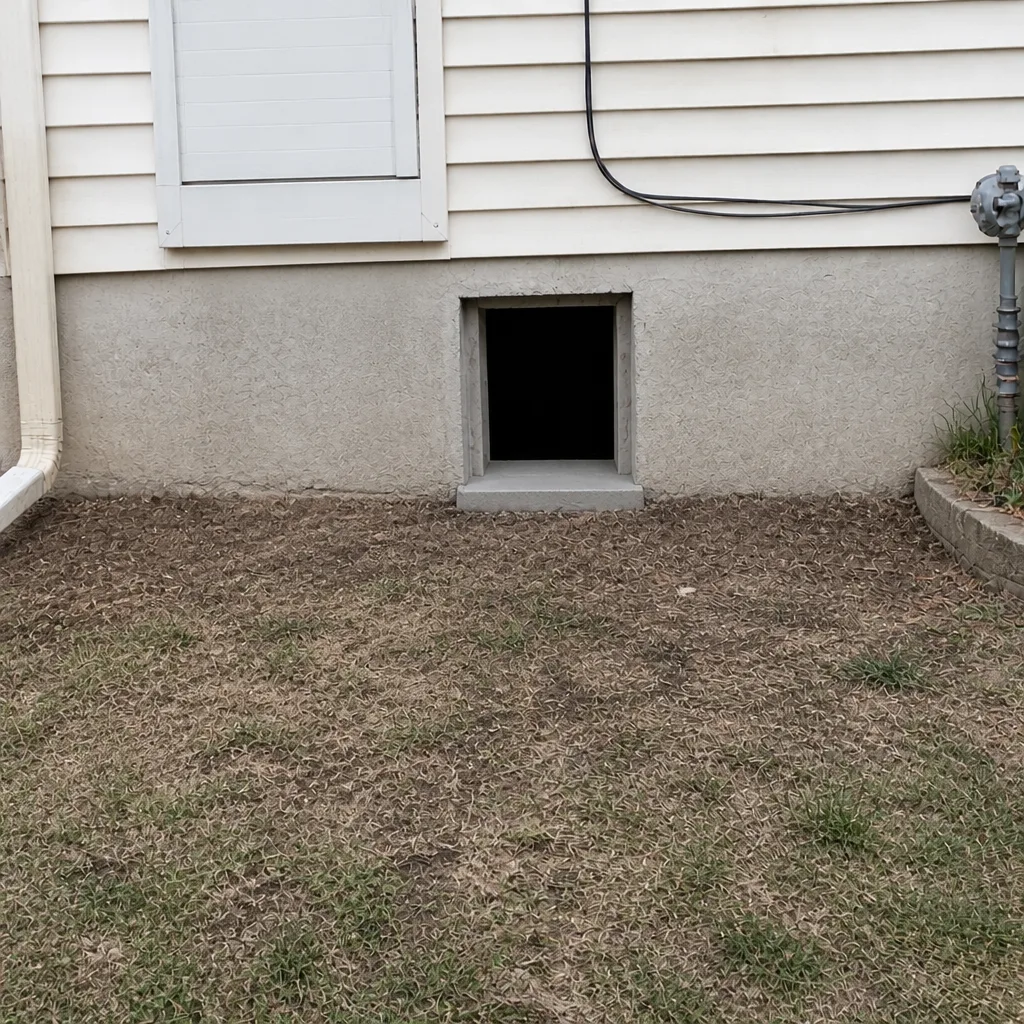 After
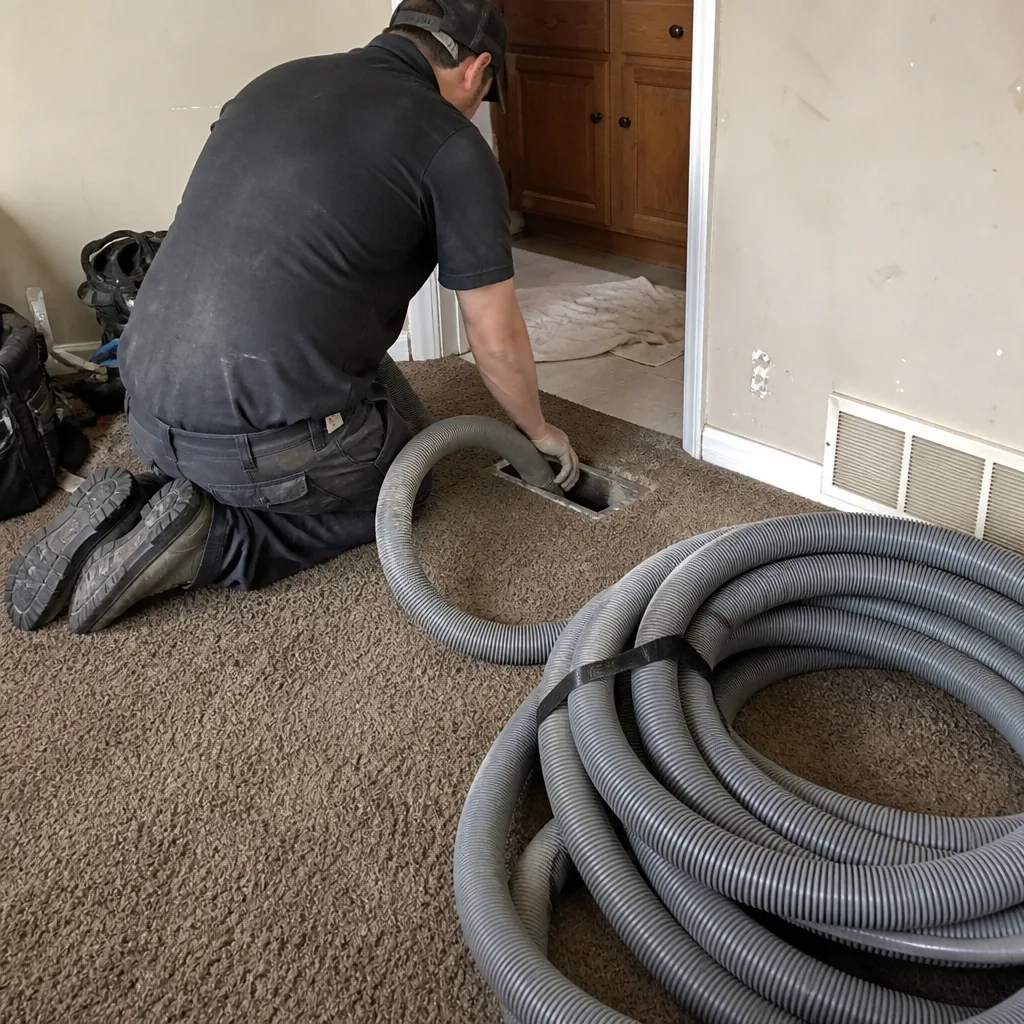 Before
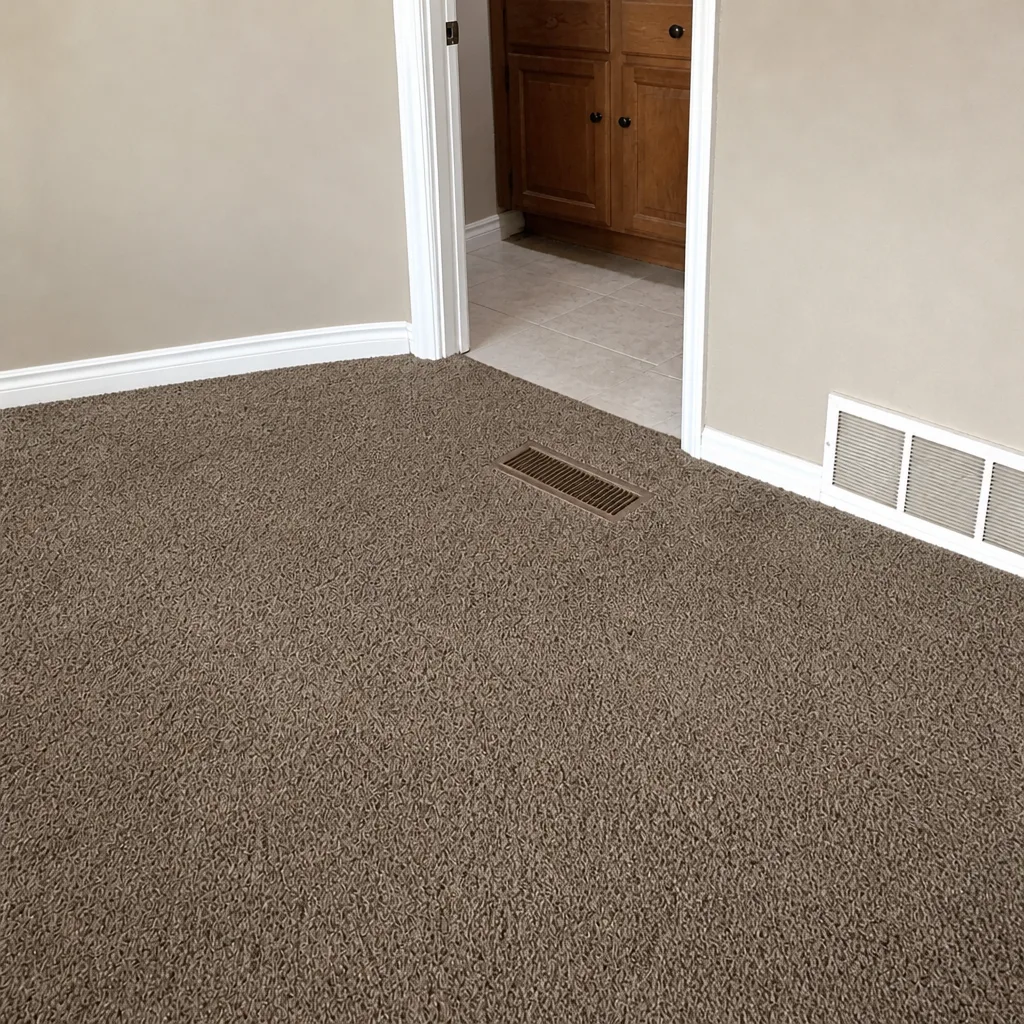 After
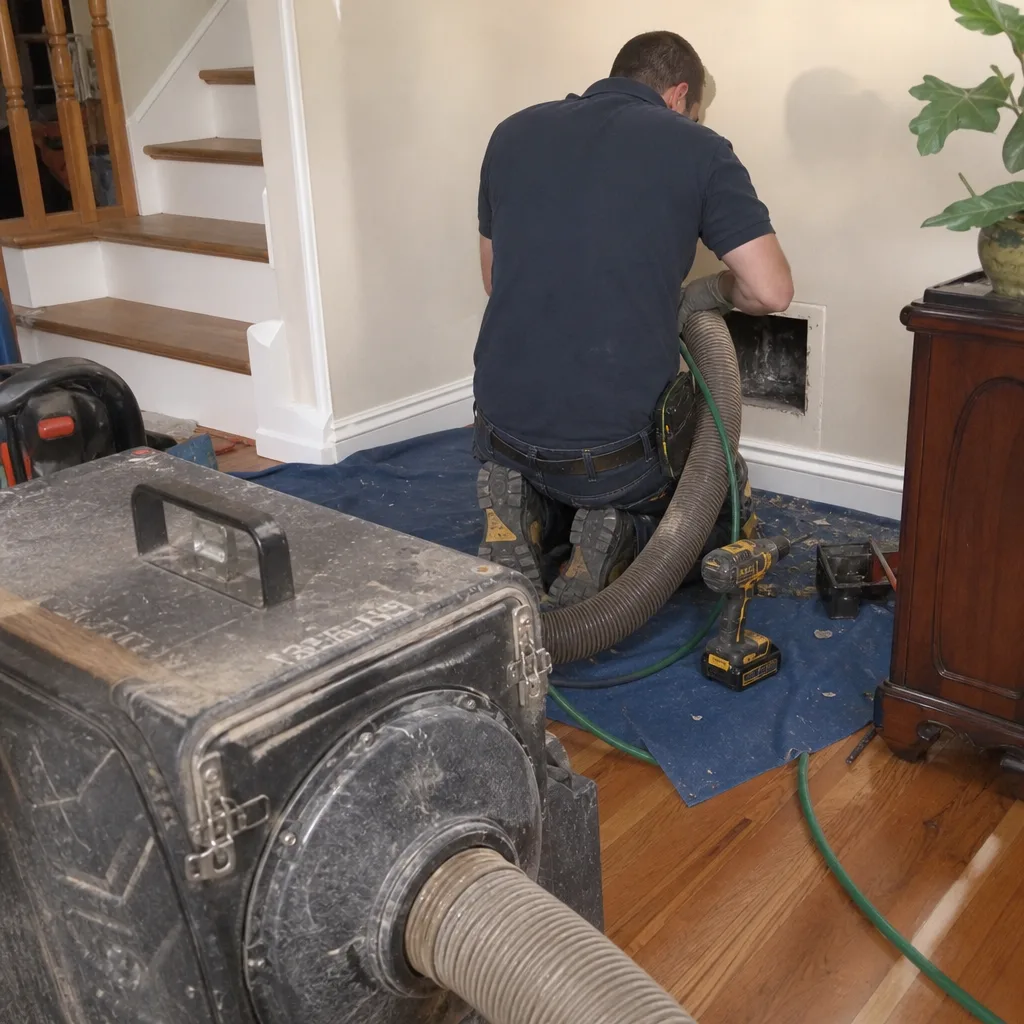 Before
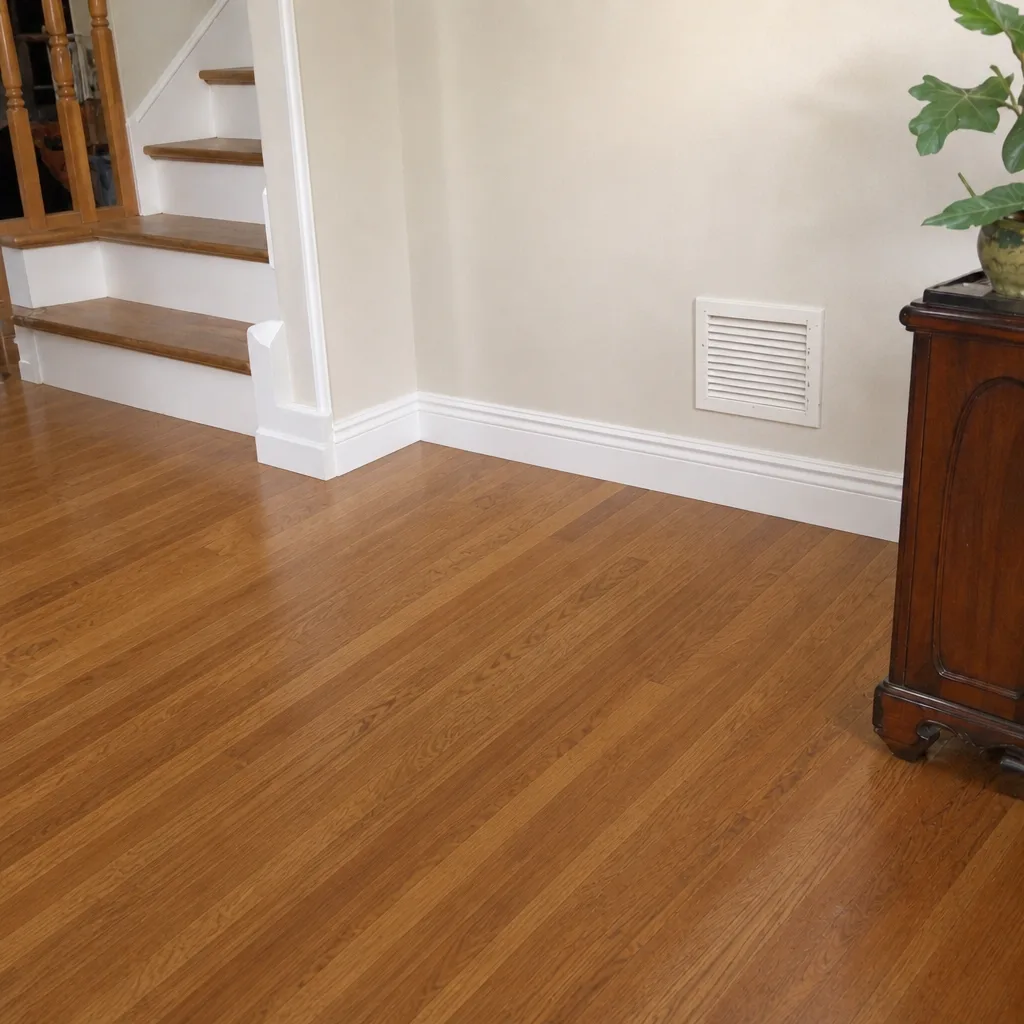 After
When to Call a Professional
Some situations call for booking a full-scope cleaning now rather than waiting. If anybody in the home has worsening allergy or asthma symptoms you can’t otherwise explain, or you’ve recently brought a newborn home, a documented duct cleaning is worth a look. After a renovation or major dust event, the drywall dust that gets pulled into the return will sit in the plenum until it’s extracted. If you have a pet and notice odor or visible dust at the vents, that’s a signal. If the HVAC system has newly started cycling oddly after years of no maintenance, call and let us assess whether the ducts are part of the issue. And if the dryer takes two cycles to dry a load, schedule the dryer vent cleaning now. Layton Air Duct Cleaning offers free estimates in Layton. Call (833) 754-7579, and we’ll walk the system with you before we write a single number down.
Frequently Asked Questions
For a typical Layton single-family home, a full-scope cleaning usually starts at a few hundred dollars for the simplest single-zone systems and runs into four figures for larger homes with multiple systems, air handler cleaning, coil cleaning, and sanitizing. That’s a range, and it’s honest, because the written estimate after inspection is what actually sets the price. Call (833) 754-7579 for an exact quote – estimates are free.
Because they’re often quoting a smaller job. A cheap quote usually covers the visible vents only, leaving the main supply trunk, the return plenum, and the air handler out of scope, which are the three highest-contamination points. The equipment difference (shop-vac vs. professional extraction like Nikro HEPA) also shows up in the price, because one set of tools costs far more than the other and removes far more of what’s actually inside the ducts. Ask what’s included before you compare the numbers, and call (833) 754-7579 if you want a full-scope range for your system.
Ask for before-and-after photos of your own ducts. A professional company can show you what came out and what the interior of the trunk looked like before and after. We make those photos part of the record for every job. If a contractor can’t or won’t provide them, that’s your answer. Call (833) 754-7579 to schedule a job with documentation built in.
For most Layton homes, every three to five years is a reasonable rhythm, adjusted for pets, allergy-sensitive occupants, recent renovations, or a never-cleaned system. Homes with heavy shedding pets or a recent remodel often need it sooner. The honest answer is to inspect rather than set a rigid schedule, and the inspection is part of a free estimate. Call (833) 754-7579 to book one.
Usually yes, because more square footage means more duct volume and often more than one system, which is more work and more access points. The cost isn’t about vent count, it’s about total duct volume, system count, and layout complexity. A two-system home with a long return run is a longer job than a compact single-story home with one zone. Call (833) 754-7579 and describe the home and we can give you a fair ballpark before the visit.
Absolutely, as a safety item. Lint buildup in the dryer vent run is a documented fire risk, and it’s one of the easiest fixes in the home. Bundling it with the duct work means one visit instead of two. Our dryer vent cleaning is priced per run. Call (833) 754-7579 to schedule both at once.
The Bottom Line
Air duct cleaning quotes in Layton aren’t comparable until you know what’s inside each one. The three highest-contamination points are the main supply trunk, the return plenum, and the air handler compartment. If a bid skips them, it’s a smaller job hiding behind a familiar label. A full-scope cleaning, with professional equipment (Rotobrush, Nikro HEPA, Abatement Technologies), before-and-after photos, and a written per-system estimate, costs more up front and less over the years because it doesn’t need repeating right away.
Whether you’re a homeowner or a property manager, get a written scope and a free estimate, and compare scopes not just totals. One flat price per system, agreed before work starts.
Call (833) 754-7579 for a free estimate. We answer 24/7, and fast dispatch runs from 7am to 7pm, Sunday through Friday. If you want to see the full range of air pathway work we cover, start with Layton Air Duct Cleaning, then look at air duct cleaning and HVAC cleaning to see how the system fits together. We also handle dryer vent cleaning. The estimate is free, and we’ll walk the system with you before we write a single number down.
Written by the team at Layton Air Duct Cleaning.