
Last updated November 25, 2026
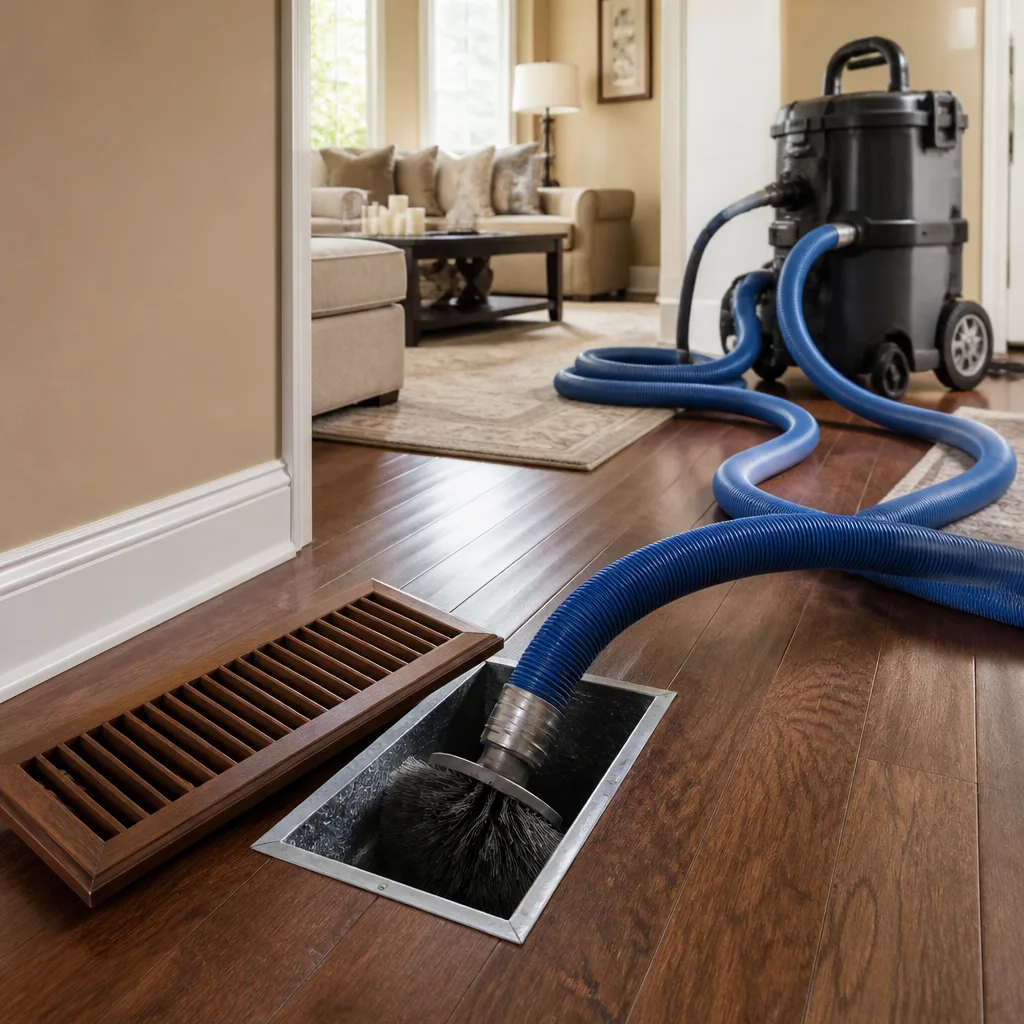 Whole-home duct cleaning
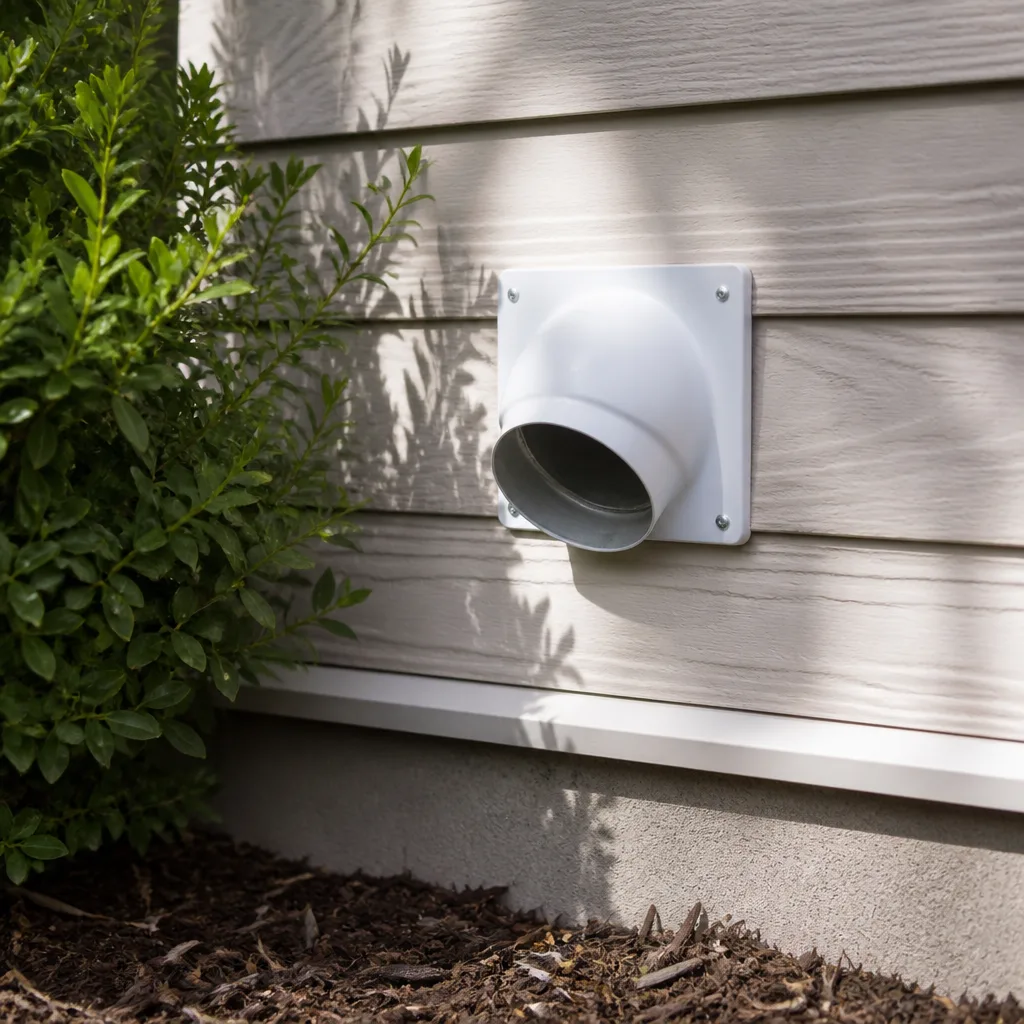 Dryer vent cleaning
 Camera inspection
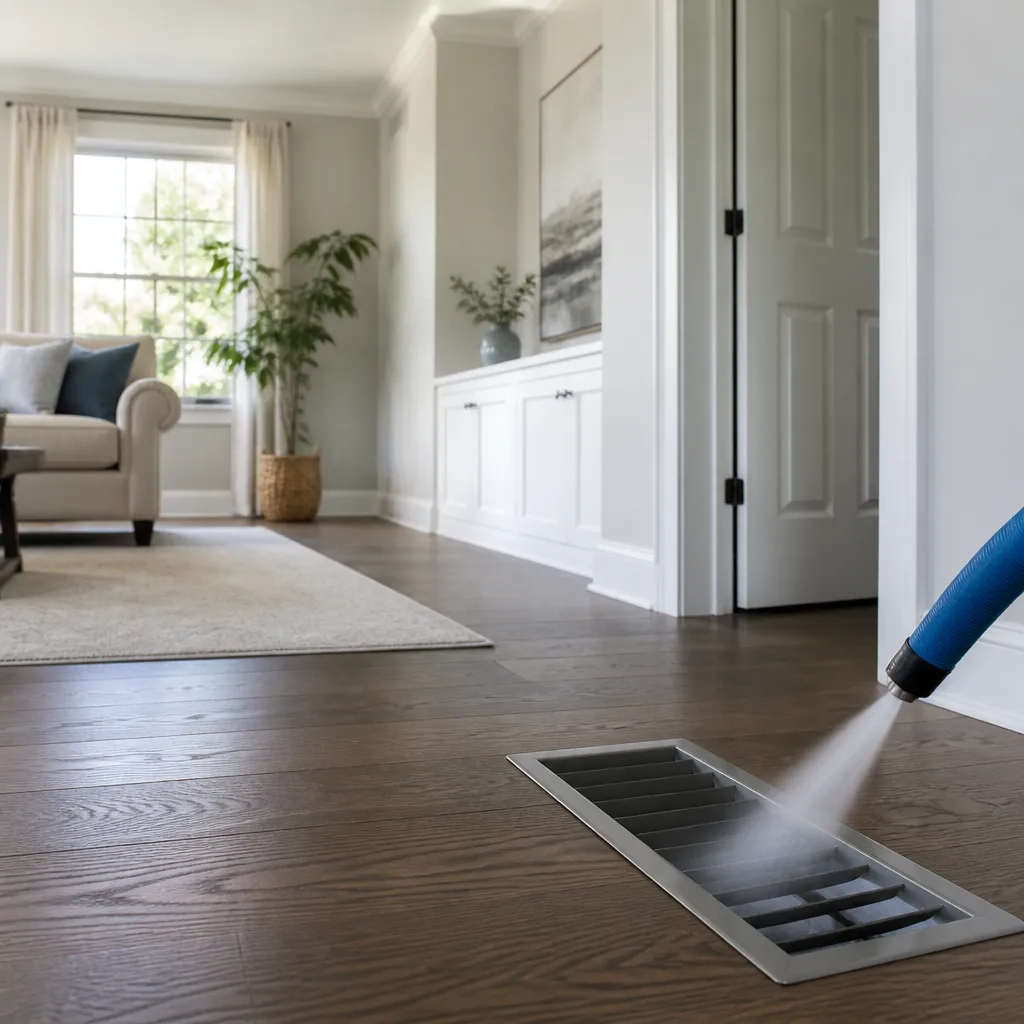 Sanitizing & deodorizing
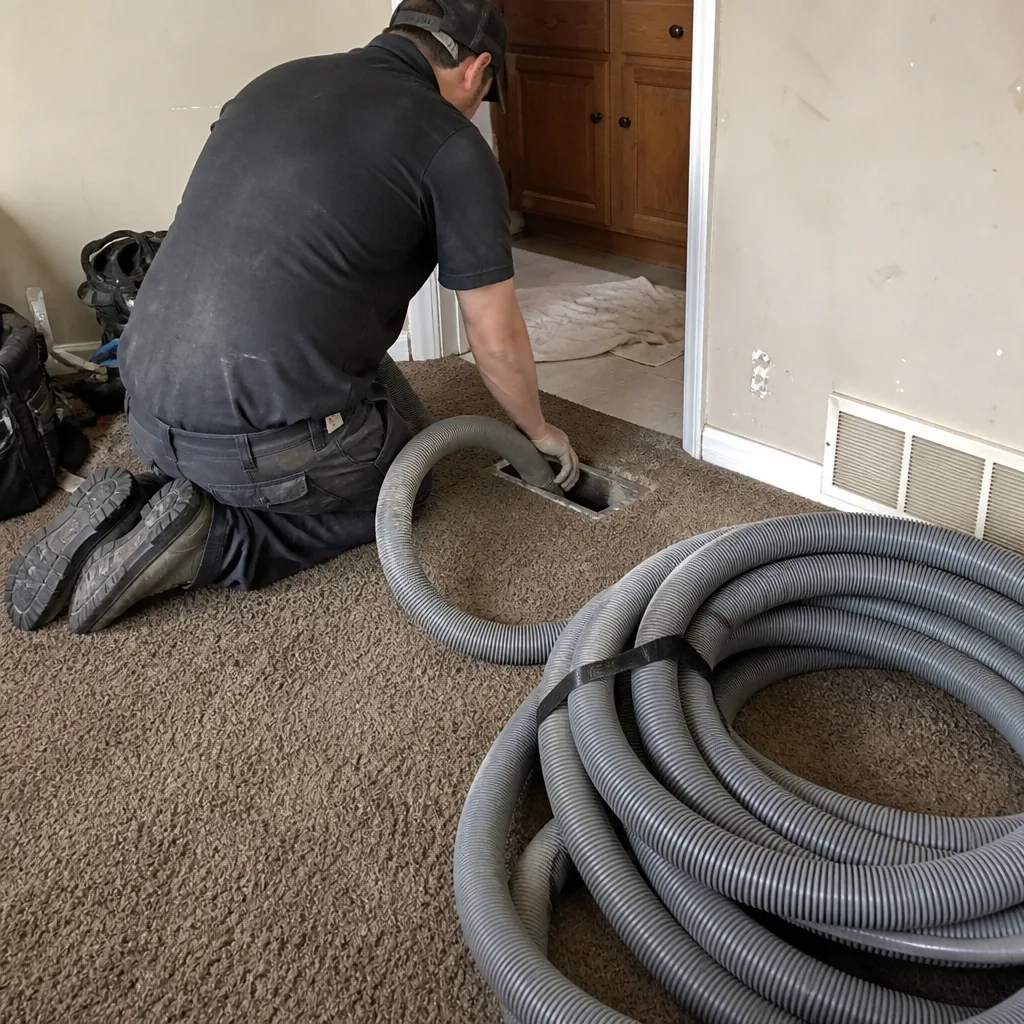
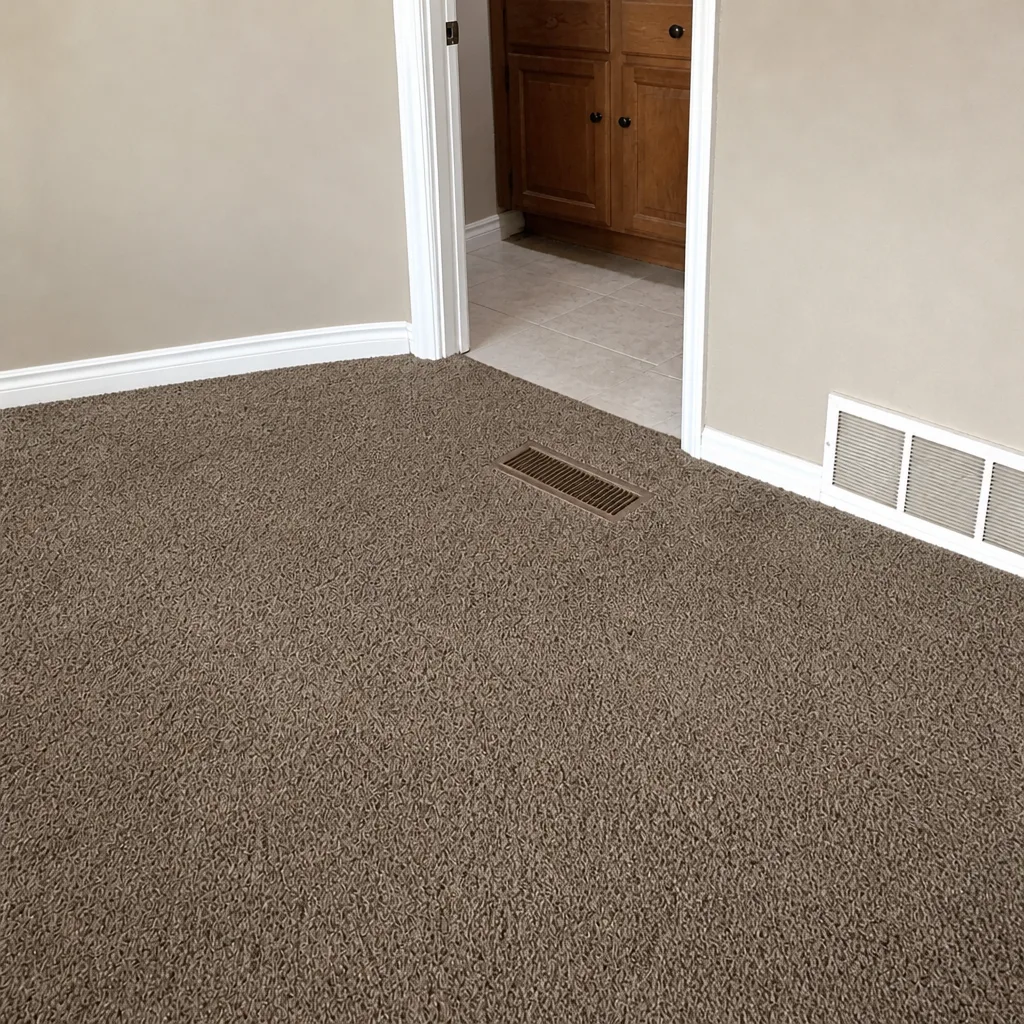
Whole-system duct and dryer vent check with before-and-after photos - you see exactly what came out of your vents
That "$99 whole-house special" is a bait ad - the real number appears once they are in your hallway, or the "clean" is a shop-vac at the register. We photograph the inside of your ducts before and after instead.
Air Duct Cleaning Warning Signs: A Layton Homeowner’s Reference Guide
Most duct problems in Layton announce themselves long before anyone recognizes them. The signals are there, but they get filed under the wrong category: a cold bedroom blamed on the thermostat, a musty smell chalked up to old-house quirk, an allergy season that arrives earlier every year. Here’s the counterintuitive part. That musty smell that appears only when the heat first kicks on in fall usually isn’t a furnace problem at all. It’s biological growth on or near the heat exchanger and in the duct sections around it, dormant all summer and released into your air the moment the system wakes up. This guide treats those signals as diagnostic data, with specific causes and appropriate responses. It’s written for Layton homes, where renovation dust, wildfire smoke events, and inversion-season air quality give duct problems a particular shape.
Quick Answer
The warning signs of dirty or failing air ducts in Layton show up in three places: at the registers (dark streaks, dust puffs when the system starts), from the system itself (musty or decaying smells, uneven room temperatures, longer runtime), and at the air handler (matted dust on the blower, corrosion, visible debris). Each location points to a different cause and a different fix – some need cleaning, some need duct repair or sealing, and some need an HVAC technician rather than a duct crew.
Styles & brands we work with
- Whole-home duct cleaning
- Dryer vent cleaning
- Camera inspection
- Sanitizing & deodorizing
Table of Contents
- What Do Visual Warning Signs at the Register Actually Tell You?
- What Do You Find Inside the Ducts Themselves?
- What Does the Air Handler Reveal That Registers Don’t?
- How Do You Read a Smell as a Diagnostic Clue?
- Which HVAC Performance Signals Point to Duct Restriction?
- Is This a Cleaning Problem or a Repair and Sealing Problem?
- What Triggers Duct Problems Specifically in Layton Homes?
- Common Mistakes to Avoid
- When to Call a Professional
- Frequently Asked Questions
What Do Visual Warning Signs at the Register Actually Tell You?
Start at the registers, because that’s where the homeowner sees the duct system’s work displayed. A register is the mouth of the duct network, and what collects on its grille is a sample of what’s moving through the whole pathway. Dark streaks fanning out from the vanes, a fine gray film that returns within days of dusting, or a puff of visible dust each time the system starts all point to the same thing: the supply lines are carrying particulate that should have been captured upstream.
What you’re looking at matters, though, and the location of the sign changes what it implicates.
- Streaks or darkening on the supply grille: airborne dust and soot settling back out onto the closest surface. Often a filtration or cleaning issue.
- Dust puffs at startup: accumulated debris sitting on duct interiors or the blower, disturbed each time the fan engages.
- Grime concentrated on one register only: usually a short run of duct that is underperforming, disconnected, or poorly sealed near that room.
- Rust or moisture staining at the grille: condensation somewhere in that run – a sealing or humidity problem before it’s a cleaning one.
- Pet hair or lint visible at the return: filter bypass, meaning air is going around the filter rather than through it.
What registers won’t show you is the interior condition of the ducts behind them. A grille can look clean while the duct behind it collects construction dust. That’s why the register tells you where to look next, not what’s actually wrong. If your registers look like this, a professional air duct cleaning assessment starts with opening up and inspecting what the grille can’t show you.
What Do You Find Inside the Ducts Themselves?
Inside the ducts, the story gets more specific. Loose debris settled along the bottom of horizontal runs, especially after any renovation, is dust and drywall that will keep recirculating until it’s removed. Matte dust clinging to all four sides of a round duct suggests the system has been running with a compromised filter. In our experience, the most useful distinction inside a duct is between settled debris (removable by cleaning) and material that’s attached, wet, or growing (which requires remediation and often sanitizing).
Here’s what a trained eye looks for once the ducts are open:
- Settled debris in horizontal runs – heavier dust and fine grit that accumulates where airflow slows. Cleanable.
- Attached growth or staining – discoloration or dark patches that won’t wipe away. Points to moisture or biological growth, not ordinary dust.
- Visible construction material – drywall dust, sawdust, or paint overspray from a recent remodel. Layton has seen a lot of renovation activity in recent years, and this debris is one of the most common reasons new builds and remodels need a first cleaning.
- Debris at joints and turns – material pushed into elbows and transitions where airflow drops. Easy to miss, hard to move without proper equipment.
- Rodent evidence – droppings, nesting material, or chewed duct liner. This is a contamination and safety issue, not a routine cleaning.
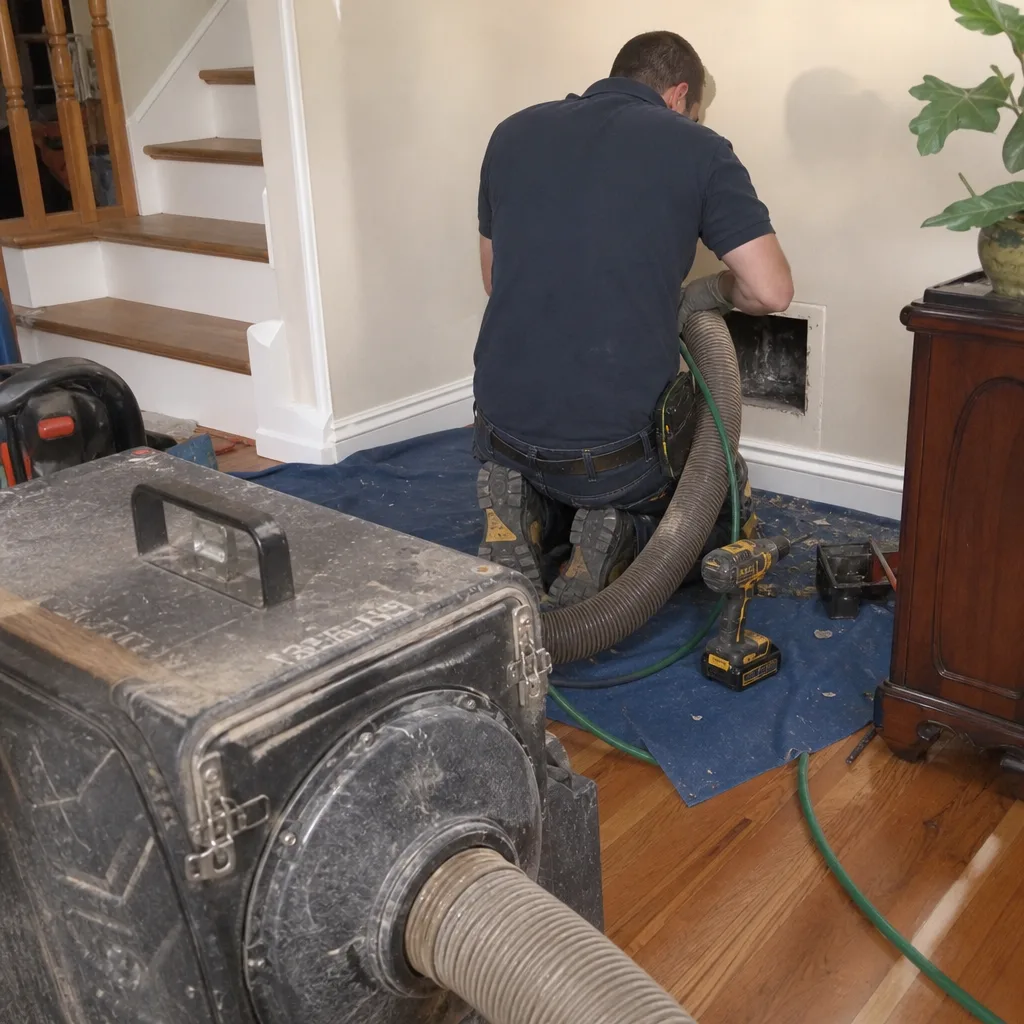
This is also where equipment starts to matter. Consumer vacuums and shop-vacs don’t develop the negative pressure needed to pull material that’s settled deep in a run. Professional systems like Rotobrush contact-cleaning equipment combined with Nikro HEPA-rated vacuum extraction work the debris loose and remove it while containing it. That containment matters. A system that loosens dust without holding it is moving the problem into your living space, not solving it. That’s why we lean on Abatement Technologies equipment built for negative-air containment and contaminant capture: what we remove, stays removed.
What Does the Air Handler Reveal That Registers Don’t?
The air handler is the heart of the system, and it often holds the clearest diagnostic evidence. While you shouldn’t open a panel yourself – the blower and electrical components inside are for a trained technician with the power off – a professional inspection at the air handler tells you what’s been flowing through the whole system. A dust-caked blower wheel, a corroded evaporator coil, or a cabinet lined with debris all point upstream problems toward the source.
A few findings at the air handler are especially telling:
- A heavy, matted layer on the blower wheel: indicates a chronically bypassing filter and years of particulate. It also reduces airflow efficiency.
- Corrosion or mineral staining on the evaporator coil: a moisture or humidity problem. Coil conditions often overlap with duct contamination.
- Debris or nesting material inside the cabinet: a serious contamination issue requiring more than a routine cleaning.
- A cabinet that doesn’t seal properly: air bypasses the filter, so the ducts collect what the filter should have caught.
This is where duct cleaning and HVAC cleaning overlap, and why they should be handled together. Cleaning ducts without addressing a fouled blower or coil leaves a huge contaminant reservoir untouched. Cleaning the equipment without cleaning the ducts leaves a filter full of dust ready to recolonize everything. The full air pathway – ducts, blower, coil, drain pan – needs to be treated as one connected system.
How Do You Read a Smell as a Diagnostic Clue?
A smell is a diagnostic clue, and its profile and timing tell you what caused it. Musty, earthy, or wet-cardboard odors point toward moisture and biological growth, usually in or around the air handler or the duct sections closest to it. A sour, stale odor that intensifies when the system starts could be debris that’s been decaying in the ducts. A sharp, burnt, or hot-dust smell, especially at first heat in the fall, is often the heat exchanger and nearby sections warming up after a season of dormancy – worth an HVAC inspection, since it can also signal a mechanical problem.
Timing narrows the diagnosis further:
- Only when the system first kicks on, then fades: something burning off or waking up – the classic fall heat-exchanger smell, or debris disturbed at startup.
- Constant while the fan runs, strongest at certain registers: a localized contamination problem in the duct sections serving those rooms.
- Worse after rain or in humid stretches: moisture-related growth or a leak feeding the system.
- Sudden and strong, lasting beyond a day: possible rodent activity or a dead animal. This needs a professional inspection, not a candle.
Different odors deserve different responses. A faint musty smell that only appears at the start of heating season is often resolved by cleaning the duct sections nearest the air handler combined with sanitizing. A smell that persists after cleaning usually points to a moisture source that has to be fixed first, or the smell will simply return. When the source is biological growth, sanitizing with a finish-quality process – Guardsman-line products rather than a quick spray – is part of getting the result right, not an upsell tacked onto the invoice.
Which HVAC Performance Signals Point to Duct Restriction?
Sometimes the ducts quiet-fail: they don’t look or smell wrong, but your HVAC performance does. Rooms that run hot or cold, a system that runs longer to reach the setpoint, and utility bills that creep up over a few seasons all point to airflow problems. If the ducts are restricted, the system spends more time and energy doing less. Layton homes in particular sit through hot summers and cold, sometimes-inversion-heavy winters, so a restriction that would be a nuisance elsewhere becomes an efficiency drag here.
The duct-related performance signals to watch:
- Uneven room temperatures: one or two rooms never match the rest. Often a run with a leak, a collapsed section of flexible duct, or a damper stuck in the wrong position.
- Longer runtime than it used to have: the system has to work harder to push the same air. Could be a restriction, a dirty coil, or a failing blower – an HVAC check rules out the equipment.
- Rising bills at the same setpoints: reduced airflow makes the system less efficient. Worth comparing against the previous year at a similar outdoor temperature.
- Weak airflow at distant registers: the far end of the duct run gets starved when there’s a leak or a clog upstream.
- Whistling or hard-to-close doors: a return-air or pressure-balance issue, often accompanying a leaky duct network.
Here’s the useful distinction. Rising bills and uneven rooms can come from equipment problems, duct problems, or both. A duct cleaner can address the duct side; a restricted blower or failing compressor needs an HVAC technician. Getting the diagnosis right first saves both money and time. If your equipment is healthy and the duct side is the problem, then duct repair and sealing may be the fix, not cleaning alone.
Is This a Cleaning Problem or a Repair and Sealing Problem?
Not every warning sign calls for cleaning. Some call for duct repair, sealing, or HVAC service, and treating the wrong one wastes money and can leave the real problem in place. This is the most common source of disappointment in our experience: a homeowner pays for a cleaning, the symptom returns within weeks, and the actual cause – a leak, a disconnected run, a wet section – was never addressed.
Use this decision framework:
- Settled debris, dust puffs, grime on registers: cleaning is the right first step.
- Visible biological growth, persistent smell after cleaning: remediation plus sanitizing, and a moisture source has to be identified first.
- Uneven rooms, weak airflow to far rooms, whistling: duct inspection for leaks, disconnects, or collapsed sections. Repair and sealing are the fix.
- Rising bills with dirty equipment at the air handler: HVAC service and cleaning together.
- Rodent evidence: remediation and, usually, duct repair where chewed sections are found.
- Dryer taking longer to dry: a dryer vent problem, addressed by dryer vent cleaning, and a fire-safety matter rather than an air-quality one.
The honest answer is often that you need two of the above. A duct that’s leaking is a duct that’s also collecting more dust because it’s pulling from an unconditioned space. Sealing followed by cleaning is the only way that job gets done right. That’s why we approach the work as a full air pathway service: cleaning, repair and sealing, and sanitizing, done with the right sequence and the right equipment. When those are handled by one company, there’s no gap where the handoff forgets a step.
What Triggers Duct Problems Specifically in Layton Homes?
Layton sits in a valley with its own air-quality calendar, and that calendar drives duct problems here. Three triggers account for most of the contamination we see in local homes.
Renovation debris. A remodeled kitchen or finished basement generates drywall dust, sawdust, and insulation fragments that settle into the ducts and then recirculate for months. The ducts may be new, but the system hasn’t been cleaned. New builds and remodels are one of the everyday reasons Layton homes need a first cleaning.
Wildfire smoke infiltration events. Summer smoke events push fine particulate into homes, and ductwork with gaps and leaks pulls it straight into the system. Fine ash that settles inside ducts is hard to remove with anything short of professional extraction – and it’s the kind of particulate that matters most to allergy-sensitive households. HEPA-rated vacuum extraction and negative-air containment are what keep that material from being redistributed during the work.
Inversion-season indoor air quality. In winter, cold air settles in the valley and traps pollution under the inversion layer. Windows stay closed, the system recirculates the same indoor air, and any contaminants already in the ducts circulate every time the heat runs. That’s when a home’s duct condition goes from invisible to noticeable – often as the musty smell at first heat.
Two smaller triggers worth knowing: dry, cold winters dry out a home, and low humidity sends more fine dust airborne; and the same conditions that make for dusty springs also stress filtration, which makes an undersized or bypassing filter a bigger deal here than in a humid climate. The practical takeaway is that Layton homes need a clean duct pathway and a filtration system sized for the local conditions.
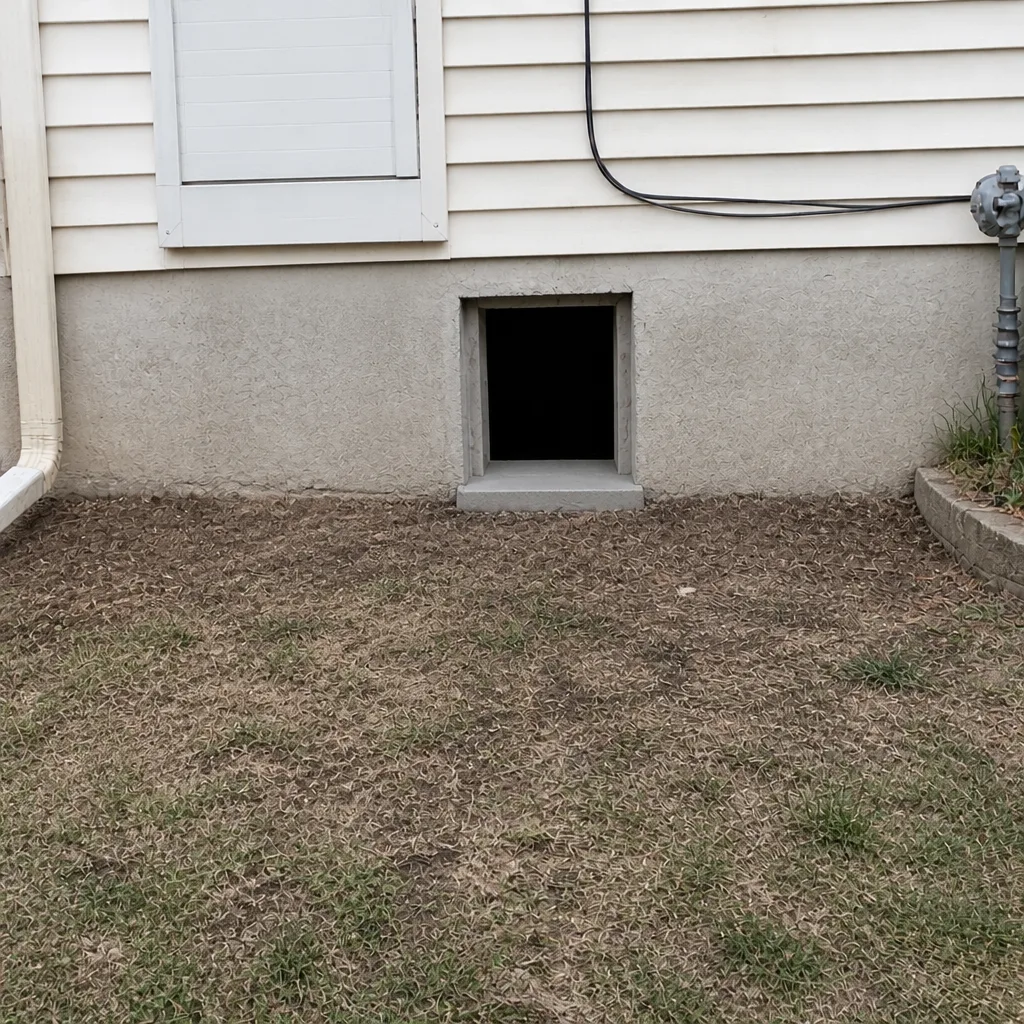
See the difference
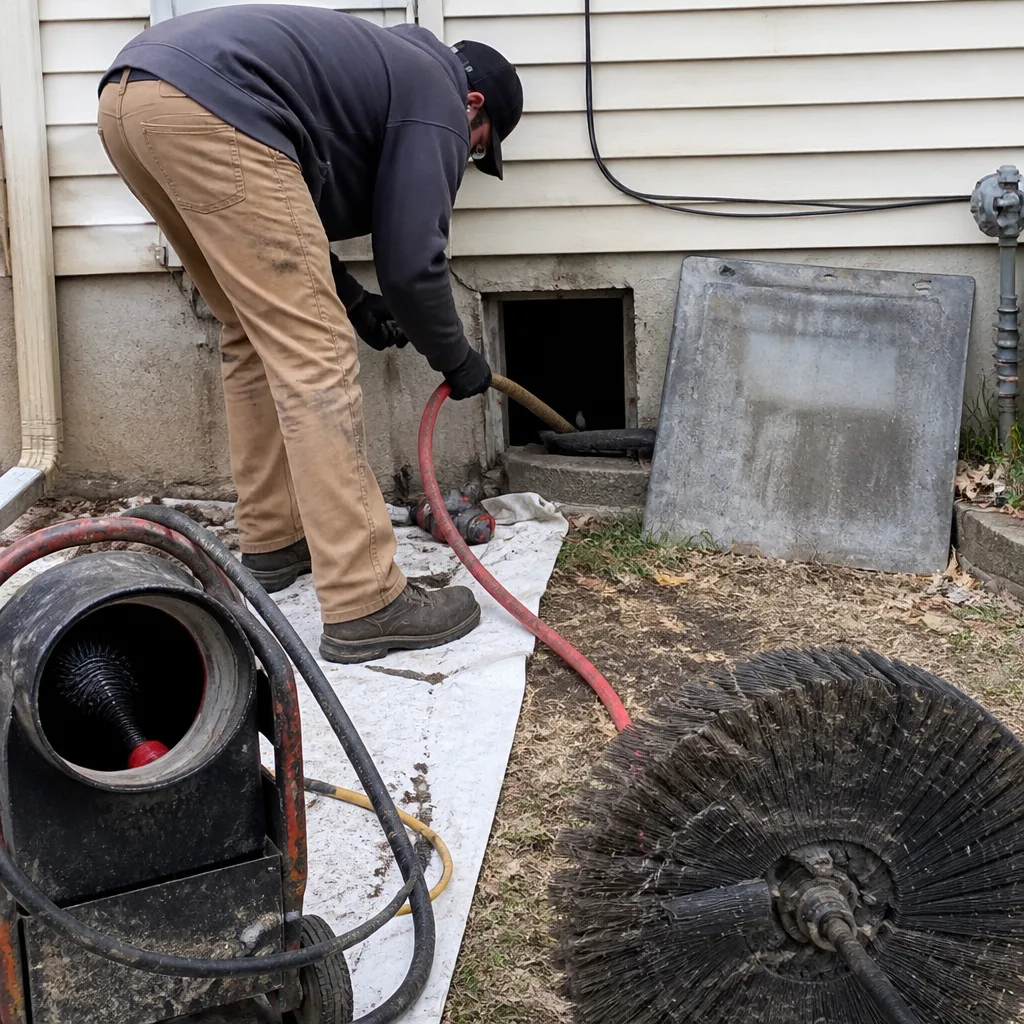 Before
 After
 Before
 After
 Before
 After
What Are the Less-Known Warning Signs Homeowners Miss?
Several warning signs don’t get flagged because they look like normal life. The bathroom that holds steam after a shower, for instance, can point to a return-air balance issue rather than ventilation. Dust visible on white curtains within days of washing is a particulate-loading signal, not just a housekeeping problem. And a room that’s always slightly stuffy while the rest of the house feels fine usually has a supply run that isn’t delivering what it should.
The less-obvious signals worth adding to your list:
- Dust returning fast on horizontal surfaces: the ducts or filter are releasing more particulate than the home can shed.
- A persistent musty smell in one room only: a localized duct or moisture problem, not a house-wide one.
- Condensation on registers or windows in cold weather: a humidity issue that can feed growth inside ducts.
- Filtration that seems to tire fast: filters loading up in weeks rather than months suggests a dirty system or bypass.
- Symptoms that ease when you’re away from home: a health-linked signal worth taking seriously for allergy-sensitive households.
Clean ducts are a health decision, not just a housekeeping one. That reframe is what makes these quieter signals worth acting on. If the family is waking up stuffy despite a clean house, it’s reasonable to look at the air pathway next.
How Do You Measure Whether Cleaning Actually Worked?
You measure it by the change in the signs that prompted the call. A musty smell that no longer appears at first heat, dust that stays off the grilles longer, more even temperatures, and shorter runtime all indicate the work did what it was supposed to. What you shouldn’t rely on is a vague impression. The clearest proof is before-and-after photos of your own ducts, taken as the work proceeds.
What to ask for or look for after the job:
- Before-and-after photos of your ducts – not a stock image, your system.
- Confirmation that the air handler was included – ducts cleaned alone leave a major reservoir of debris.
- A written record of what was found – settled debris, growth, rodent evidence, or leaks, so you know whether repair or sealing is also needed.
- Registering the smell test at first heat next season – the clearest real-world check on whether a musty smell was resolved.
Ask for the photos. A crew that uses professional equipment and documents its work won’t hesitate to show you the results. That’s the standard that separates real cleaning from a fast pass that leaves the ducts looking better only at the grille.
Frequently Asked Questions
Most Layton homes benefit from a cleaning every few years, but the honest answer depends on your home: renovation work, pets, allergy-sensitive occupants, and smoke events shorten that window. Watch for the warning signs in this guide rather than following a rigid schedule – if the signals are there, the timing is now. Call (833) 754-7579 for a free estimate and a straight assessment of what needs doing.
You know it was done when you see before-and-after photos of your own ducts and the air handler was included in the work. Ask the crew to show you what was removed and where. A straight answer plus photos is the proof that separates a documented job from a blow-and-go visit. Call (833) 754-7579 for an estimate – free, with no obligation.
It’s often a bit of both. A musty, earthy smell that appears when the heat first kicks on in fall usually points to biological growth or dormant debris in and around the heat exchanger and nearby duct sections. A sharp or burning smell can signal a mechanical problem and should get an HVAC inspection first. Either way, get it looked at. Call (833) 754-7579 to talk it through – estimates are free.
Yes, and this is the most commonly missed distinction. Uneven room temperatures, weak airflow to far rooms, and whistling registers often point to leaks, disconnects, or collapsed sections that need duct repair and sealing, not just cleaning. Cleaning a leaking duct leaves the problem in place. Call (833) 754-7579 for an inspection and an estimate that tells you which one it is.
Three stand out: renovation debris from local remodels settling into the ducts, wildfire smoke events pushing fine particulate into homes with leaky ductwork, and winter inversion season trapping indoor contaminants while the system keeps recirculating them. If your home has had recent renovations or you notice the air feels worse during smoke events, the ducts are worth a look. Call (833) 754-7579 for a free estimate.
We handle the full air pathway: Layton Air Duct Cleaning covers duct cleaning, HVAC cleaning, duct repair and sealing, and air quality sanitizing, plus dryer vent cleaning. That means a warning sign at the register, the air handler, or the dryer vent can be addressed by one company using professional-grade equipment from Rotobrush, Nikro, and Abatement Technologies – no handoff gaps. Call (833) 754-7579 for a free estimate.
Common Mistakes to Avoid
- Treating a musty smell as an HVAC problem alone. The smell at first heat often lives in the ducts and around the heat exchanger, not in the furnace. Cleaning the equipment without the ducts leaves the source in place.
- Cleaning the ducts without cleaning the air handler. A dust-caked blower and coil will re-contaminate the ducts. The two have to be done together.
- Hiring a low-price crew with a shop-vac. Consumer vacuums can’t develop the pressure needed to remove settled debris, and without HEPA containment they redistribute what they stir up. Professional equipment is the whole point.
- Ignoring uneven temperatures as “old ductwork.” In Layton, a room that never matches the rest often points to a leak or a disconnected run, not the system’s age. That needs repair and sealing, not cleaning.
- Skipping cleaning after a renovation. Drywall dust and sawdust will recirculate for months. The ducts need a cleaning as part of the project, not a season later.
- Not getting photos before and after. Without documentation, you have no way to know the work happened. Ask for photos of your own ducts.
- Forgetting the dryer vent. A dryer taking longer to dry is a fire-safety signal. dryer vent cleaning belongs on the same maintenance list as the ducts.
When to Call a Professional
Call a professional when the warning signs point beyond your own diagnosis: a persistent musty or burning smell, visible biological growth inside ducts, rodent evidence, uneven room temperatures that don’t match the equipment, or warning signs that return after a cleaning. Call after any major renovation, after a serious wildfire smoke event, and before the first heating season when a home has sat closed for months. Also call if someone in the home has worsening allergy symptoms despite a clean living space – the air pathway is worth ruling in or out. And if you’re not sure whether it’s a cleaning problem or a repair problem, that’s exactly what an inspection is for. Layton Air Duct Cleaning offers free estimates in Layton – call (833) 754-7579. We answer 24/7, with fast dispatch from 7am to 7pm, Sunday through Friday.
The Bottom Line
The signs of a duct problem show up long before anyone labels them that way. Read the registers for particulate, the air handler for equipment contamination, and the smells and behavior of the system as diagnostic data. Then decide, based on where the sign shows up, whether you’re facing a cleaning job, a repair and sealing job, or an HVAC service call – and don’t confuse the three. Layton’s renovation cycles, wildfire smoke events, and inversion season make ducts here worth watching more closely than a household elsewhere might. Clean ducts are a health decision. If you recognize a few signs on this list, get an assessment before the problem quietly gets worse. That’s what Layton Air Duct Cleaning is here for.
If you’ve read this far and recognize a couple of the warning signs in your own Layton home, the next step is a straightforward inspection. Call (833) 754-7579 for a free estimate. Our technicians have up to 9 years of experience, and we use professional-grade equipment from Rotobrush, Nikro, and Abatement Technologies on every job, with before-and-after photos of your own ducts so you can see the work was done. We work with known air quality brands like Honeywell and Aprilaire for filtration and humidity work, and we handle cleaning, repair and sealing, and sanitizing as one connected system. Estimates are free and the price is set per job by the written estimate before any work starts.
Written by the team at Layton Air Duct Cleaning.