
Last updated November 25, 2026
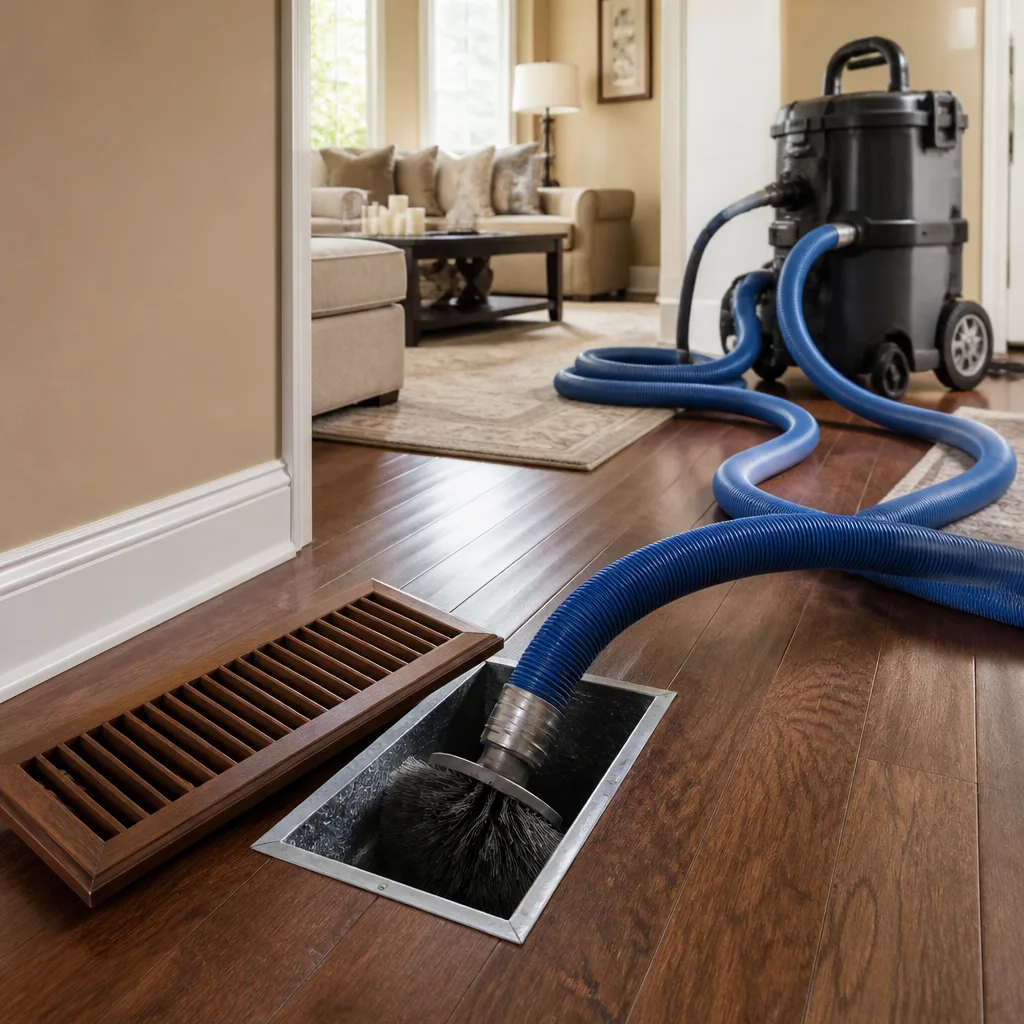 Whole-home duct cleaning
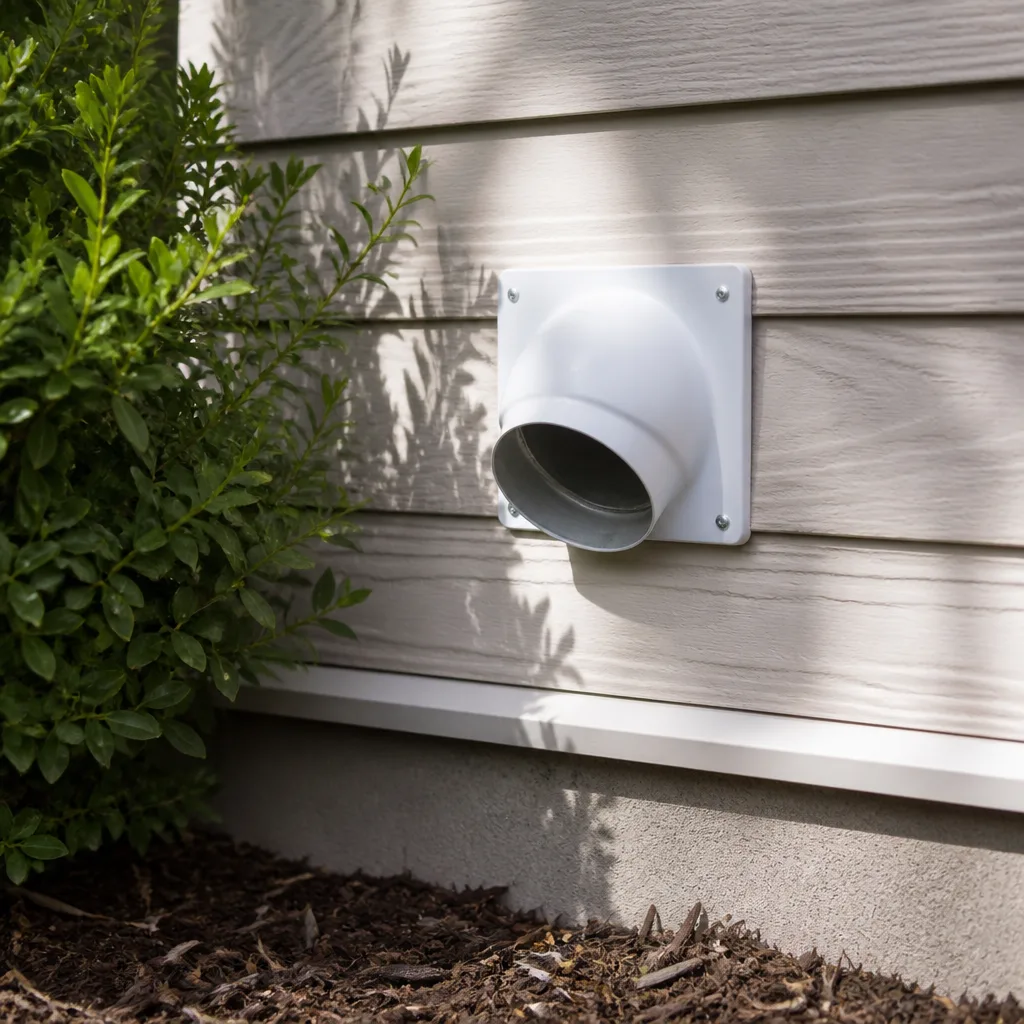 Dryer vent cleaning
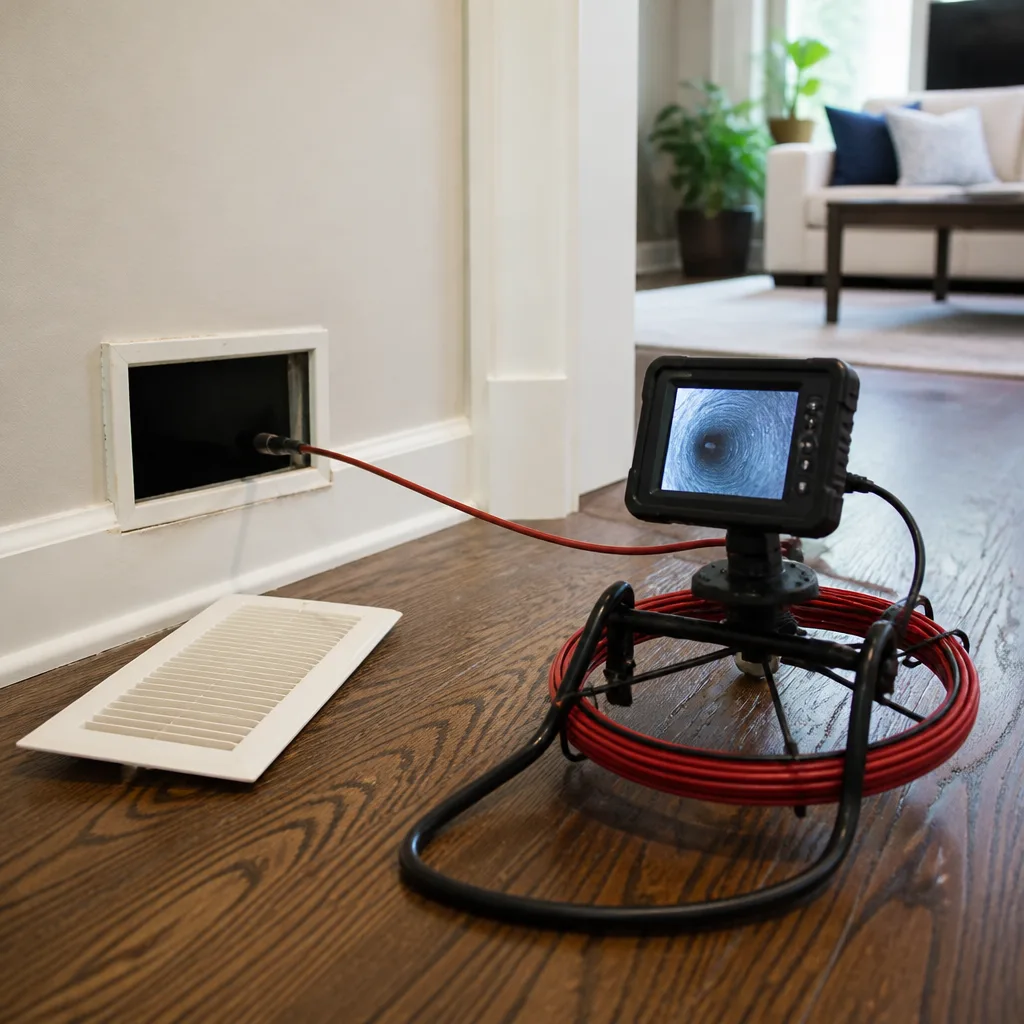 Camera inspection
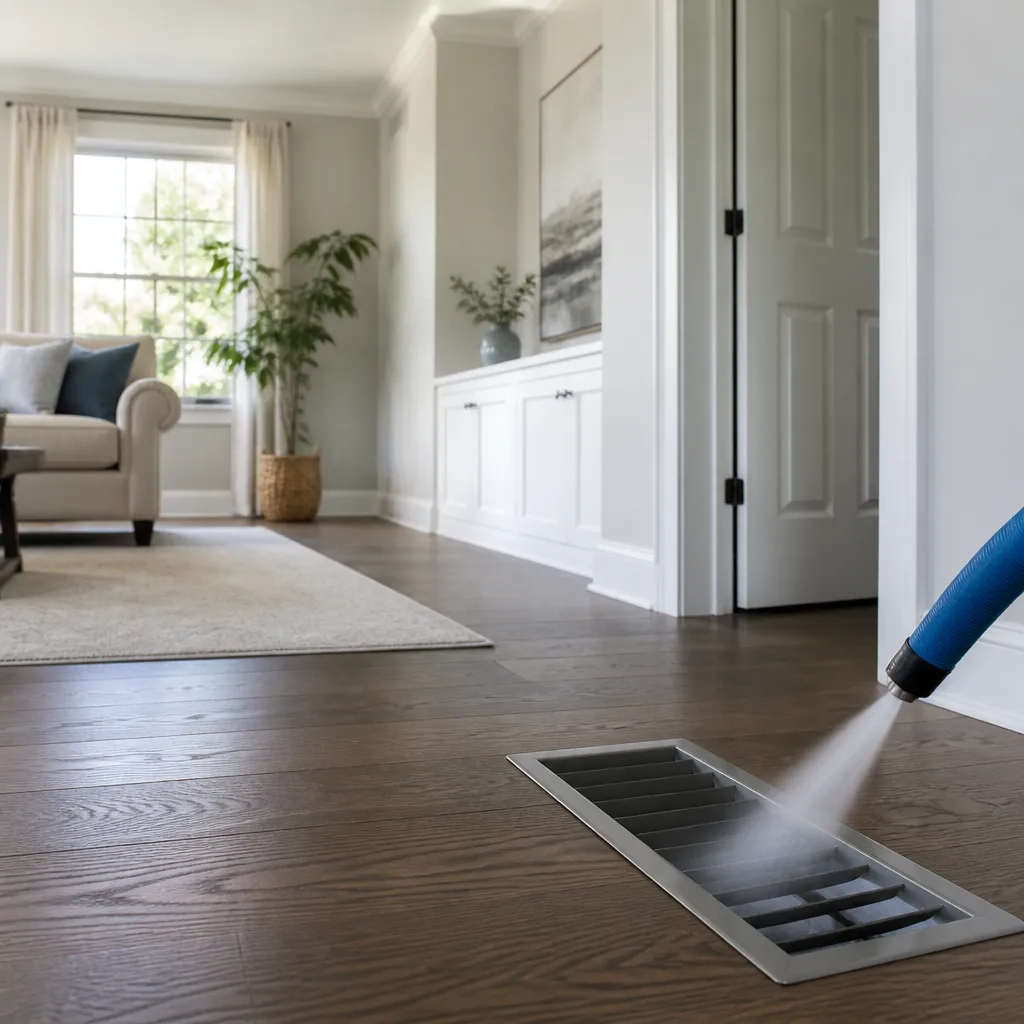 Sanitizing & deodorizing
Whole-system duct and dryer vent check with before-and-after photos - you see exactly what came out of your vents
That "$99 whole-house special" is a bait ad - the real number appears once they are in your hallway, or the "clean" is a shop-vac at the register. We photograph the inside of your ducts before and after instead.
How to Hire an Air Duct Cleaning Contractor in Layton: A Step-by-Step Guide
Here’s the uncomfortable truth about this trade: NADCA certification requires passing an exam, but it doesn’t require the contractor to own the equipment the standard specifies. A crew can rent a negative-air machine for the test, pass, print “NADCA certified” on a flyer, and still show up at your door with a shop-vac and a garden hose. The quality signals most homeowners rely on, equipment brand names, association logos, the phrase “professional grade,” are all easy to fake or misrepresent. What isn’t easy to fake is a straight answer to a specific question. This guide teaches you to verify, not just trust. You’ll learn what to ask, what good answers sound like, and how to read a quote before you sign it.
Quick Answer
To hire an air duct cleaning contractor in Layton, verify three things before you book: the specific equipment they’ll use (brand and model, not just a logo), a written scope that names main trunks and plenums, and a pre-job walk-through of your actual system. Ask for equipment specifics, request a line-item quote, and confirm what documentation you’ll receive afterward. Legitimate contractors answer these questions plainly and in writing. The ones who dodge are usually the ones with something to hide.
Styles & brands we work with
- Whole-home duct cleaning
- Dryer vent cleaning
- Camera inspection
- Sanitizing & deodorizing
Table of Contents
- Step 1: How Do You Verify Equipment Claims?
- Step 2: What Should a Pre-Job Scope Walk Look Like?
- Step 3: How Will They Reach the Duct Interiors?
- Step 4: How Do You Read a Duct Cleaning Quote Line by Line?
- Step 5: What Documentation Should You Expect After the Job?
- Why Layton Homes Present Specific Duct Challenges
- Common Mistakes to Avoid
- When to Call a Professional
Step 1: How Do You Verify Equipment Claims?
Ask for the make and model of every machine that will enter your home. A legitimate contractor can answer this in one sentence, without checking with anyone. Rotobrush contact-cleaning equipment, Nikro HEPA-rated vacuums, Abatement Technologies negative-air units: these are industry-standard names, and any company that actually owns them knows them by heart. A company that says “we use professional-grade equipment” and can’t name it is telling you something important.
Here’s what to listen for:
- A specific brand and model. “Rotobrush 3000” or “Nikro vacuum” is a real answer. “State-of-the-art truck-mounted system” is a slogan.
- Negative pressure capacity. HEPA-rated vacuum extraction is only useful if it actually pulls the debris out. Ask what the machine’s airflow or negative pressure rating is. A contractor who knows their equipment knows this number.
- Containment equipment. Abatement Technologies makes negative-air machines for exactly this purpose: keeping contaminants contained rather than pushing them back into your living room. Ask whether they run containment.
- Contact agitation. Air alone doesn’t remove stuck debris from duct walls. Rotobrush equipment uses a spinning brush or whip that physically contacts the duct interior. Ask whether contact cleaning is part of the job or whether it’s an extra.
None of these questions are hostile. They’re the same questions a commercial property manager asks before signing a maintenance contract. A contractor who has heard them before will answer without hesitation. One who hasn’t been asked before will tell you more about themselves in that moment than any review score ever could. If you’d like to see how this looks in practice, our team at Layton Air Duct Cleaning is glad to talk through equipment specifics before you book anything.
Step 2: What Should a Pre-Job Scope Walk Look Like?
A pre-job scope walk is a visit where the contractor inspects your system before quoting, not just counts vents and hands you a price. A legitimate one takes twenty to forty minutes and covers more than the visible registers. If a contractor quotes over the phone sight-unseen, or walks in, glances at your ceiling, and writes a number, they’re guessing. That guess usually comes in low. It usually grows once they’re on site and have a reason to add line items.
A proper scope walk should include:
- Locating the air handler. The furnace or air handler cabinet, the supply plenum, and the return-side ductwork. All three are part of the system and all three should be in the quote.
- Inspecting accessible ductwork. A flashlight and a look down at least one accessible trunk and a sample of branches. If they don’t have a way to see inside, they can’t quote what’s inside.
- Checking register count against system size. A mismatch between the number of vents and the size of the HVAC system is a sign of a system that’s been added to or altered. That affects scope and price.
- Noting moisture or pest evidence. Any signs of water intrusion, mold-like growth, or rodent activity change the scope. A contractor who misses them in the walk will miss them in the cleaning.
- Confirming access constraints. Attic thickness, crawlspace clearance, and where the equipment can be parked all affect how a job goes in a specific home.
- Talking through what will and won’t be cleaned. “Full system” should mean something specific. Get the contractor to say what’s excluded. The exclusions are where the price differences live.
When this conversation happens, ask whether you can see the inside of a duct. A contractor with an inspection camera will offer to show you. That view, before and after, is the most honest evidence there is.
Step 3: How Will They Reach the Duct Interiors?
Duct interiors aren’t reachable from your registers. The question is how the contractor gets to the inside of the system, and whether that method leaves your ducts sealed tighter than they found them. There are three common approaches in residential work: working from the register openings, working from the air handler side, or creating access panels in the ductwork itself.
Small, flexible duct (the kind feeding individual rooms) can often be cleaned through the register openings with a whip or brush head. Larger sheet-metal trunk lines, the main arteries of the system, usually can’t be cleaned thoroughly through a six-by-ten register. That’s when an access panel makes sense. A properly installed access panel is a clean cut in duct sheet metal, sealed afterward with foil tape, mastic, or a mechanical panel cover so the system stays airtight.
Ask your contractor these questions before they book:
- Will you cut access panels in my ductwork? If so, how many, and how are they sealed? A contractor who refuses to cut any panel is probably only cleaning the branches, not the trunk.
- Will you re-seal every panel before you leave? If they’re cutting into the system, they need to close it back up. Loose or missing panels are an air leak, and air leaks pull unconditioned attic air into your living space.
- What’s your approach to flex duct? Flex duct is delicate. Aggressive brushing or too much airflow can damage the inner liner. Ask how they clean it without damaging it.
- How does the vacuum set up? A proper negative-pressure setup has the collection machine connected to the system at one point while cleaning happens elsewhere. That’s what keeps debris moving out of the house instead of into it.
If a contractor can’t explain this, they’re not going to do it. That’s not a judgment about their intentions. It’s just how this work goes: the crews who don’t know the access method won’t perform it well. For broader context on how these choices affect a full job, our air duct cleaning page walks through the standard service scope.
Step 4: How Do You Read a Duct Cleaning Quote Line by Line?
A written quote is the contract, whatever the contractor says on the phone. The single biggest indicator of a quality quote is whether it prices the whole system or prices it per vent. Per-vent pricing almost always means the main trunks and plenums are excluded, because those areas don’t have a register to count. If you have twelve vents and a contractor charges by the vent, you’ve just paid for the branches and left the largest volume of ductwork untouched.
A full-system quote should name each of these on a separate line:
- Supply and return ductwork. Both sides of the system. Some quotes quietly leave out the return.
- Main trunks. The large sheet-metal runs feeding or returning air to the air handler.
- Plenums. The transition boxes connecting ductwork to the furnace or air handler cabinet.
- Air handler cabinet interior. If the blower compartment is part of the scope, that should be stated. If it isn’t, ask why.
- Register and grille cleaning. Whether the covers are removed and cleaned, or just vacuumed in place.
- Sanitizing. If a treatment is included, ask what it is. Guardsman products are one line that shows up in a professional sanitizing process. If it’s not in the quote, it’s not included.
- Documentation and before-and-after photos. Whether these are included as part of the service or available on request.
If a quote uses the phrase “full system” but doesn’t itemize, ask them to break it down. A good contractor will. A vague one will say “we’ll take care of everything,” which is not a line item. On pricing: this trade’s bait-and-switch reputation exists for a reason, and the honest version of pricing is one flat price per system, agreed before work starts, with no per-vent rate and no coupon price that grows on the invoice. Ask for that in writing.
Step 5: What Documentation Should You Expect After the Job?
The strongest sign of a credible duct cleaner is what shows up after the job, not before it. A company whose cleaning process is real has documentation, and you shouldn’t have to beg for it. This is the single question that separates the two halves of this industry: “What will you send me when the job is done?”
Ask for these at the quote stage, not after payment:
- Before-and-after photos of your own ducts. Not stock photos, not a PDF of the truck. Photos taken inside your system showing the same section before and after cleaning.
- A written summary of what was cleaned. A list of the runs, trunks, and areas actually serviced on your system.
- Access panel documentation. Which panels were cut, where, and confirmation that they were sealed.
- Sanitizing disclosure. If a sanitizing step was performed, the product and the areas treated, in writing.
- A contact name and number for questions. Not a 1-800 line, but a way to reach the company with follow-up questions in the days after the job.
If a contractor says “we don’t do photos,” that’s informative. Ask how you’d know the work was actually done in the areas you can’t see. A professional service that removes debris from spaces you can’t inspect has to show its work, or it’s asking you to take a story on faith.
Why Layton Homes Present Specific Duct Challenges
Homes in Layton run into a set of duct problems that aren’t universal, and knowing them helps you ask smarter questions. Northern Utah’s climate swings hard between a dry, dusty summer and a cold winter with a dormant lawn and snowmelt. Spring pollen loads in Davis County are heavy, and the valley gets dust events from wind and construction activity, especially with the sustained residential growth around neighborhoods like East Layton, the area near Hill Air Force Base, and the newer developments off Gentile Street. That dust loads into return-side ductwork faster than in places with milder, wetter weather.
Add the housing age profile. Layton has a large stock of homes from the 1970s through the 1990s, alongside newer construction. Older homes often have flex duct sections that were added during a furnace or AC replacement, and transitions between rigid duct and flex that were taped rather than mastic-sealed. Those transitions leak. In a valley that pulls attic air into the envelope through leaks, that means dust and insulation fibers get drawn into the system. A contractor who knows this looks at the flex transitions first. A contractor who quotes from the curb doesn’t look at all.
Two more local realities worth knowing:
- Home additions and finished basements. Layton’s lot sizes and zoning have led many homeowners to finish basements or add on. Those additions usually mean extended duct runs that were never balanced against the original system. Ask whether the extended runs are included in the scope.
- Dryer vent runs. In homes where the laundry sits away from an exterior wall, the dryer vent run is longer and collects more lint. That’s a fire-safety issue separate from duct cleaning, and a contractor who offers dryer vent cleaning should be assessing that run during any full-system visit.
For a deeper look at how full-scope air system work fits together, our HVAC cleaning page explains the connected components. And if you’re comparing contractors across the Wasatch Front, the same verification questions apply in neighboring markets.
Six Questions to Ask Every Contractor on the Phone
Before you book a scope walk, run these six questions in a single phone call. A company that answers all six without hesitation is worth a site visit. A company that fumbles two or more isn’t.
- What make and model of machine will you bring? Rotobrush, Nikro, and Abatement Technologies are names worth hearing. “Heavy-duty” is not a model.
- Do you price by the vent or by the system? System pricing for a specific amount is the only answer that should make you comfortable.
- Will you cut access panels, and how do you seal them? If they say no, ask how they’ll reach the trunk line.
- Do you sanitize, and with what? Guardsman-line products and professional sanitizing are a real step. A “we just clean” answer tells you the scope.
- Do you offer photos before and after? Yes, with your own ducts in the frame, is the only answer that counts.
- What’s the full scope in writing? Trunks, plenums, air handler, registers, supply and return. All six items or ask why not.
You don’t need to interrogate anyone. You’re doing the same due diligence on your HVAC system that you’d do on a contractor for a roof or a foundation. The questions are professional, and professionals answer them.
Common Mistakes to Avoid
- Booking off a coupon price alone. A low introductory price is a signal about the business model, not the quality of the work. If a coupon price is dramatically below what a full-system job costs in the Layton market, ask what the coupon excludes before you book. The exclusions are the whole story.
- Accepting per-vent pricing. Per-vent pricing deliberately leaves the main trunks and plenums out of scope. If your quote is “twelve vents, X dollars,” you’re getting a branch cleaning, not a system cleaning. Ask for a system price or walk away.
- Never seeing the equipment. If a van pulls up and the technician unloads a shop-vac and a hose from the hardware store, the quote was never about professional equipment. Ask for the machine’s brand name when you book. Confirm it when they arrive.
- Skipping the scope walk. Contractors who quote a full-system job without seeing the system are guessing. In Layton’s older housing stock, that guess is often wrong in a specific way: they underestimate the flex transitions and the extended runs, and the price grows on-site.
- Not asking how access panels get sealed. Cutting into ductwork and leaving it unsealed is worse than not cleaning it. Ask what they’ll use to seal it and how you’ll know it was done. Foil tape or mastic, not duct tape.
- Accepting “we always sanitize” without a product name. Sanitizing with a product that can be named is a service. “We spray something” is not. Ask what’s used and where it’s applied.
- Skipping the documentation question. A before-and-after photo of your own ducts is the single most valuable piece of evidence that the work was done. Ask for it at booking time, not after payment, when your leverage is gone.
- Ignoring the dryer vent in the same visit. If a contractor is in your home for duct work and doesn’t look at the dryer vent run, they’re missing a fire-safety check that belongs in the same visit. Longer, wall-routed runs in Layton homes collect lint at a rate worth knowing about.
When to Call a Professional
Call a professional when symptoms point to the duct system rather than the HVAC unit. Visible dust puffing from a register when the system kicks on, a musty smell that shows up only when the air handler runs, a recent renovation that filled the house with drywall dust, worsening allergy symptoms in one household member that track with HVAC use, or a new baby or new pet in the house: all of these point toward the air pathway. A recent HVAC replacement or repair is another prompt, since older ductwork often needs cleaning after the system change.
Dryer vent cleaning is a separate prompt. A dryer that takes noticeably longer to dry a load or feels hot to the touch at the end of a cycle is telling you the vent run is restricted. That’s a fire-safety issue, not a housekeeping one. Layton Air Duct Cleaning offers free estimates in Layton: call (833) 754-7579. We answer 24/7. Fast dispatch from 7am to 7pm, Sunday through Friday. Our technicians have up to 9 years of experience, and we bring Rotobrush, Nikro, and Abatement Technologies equipment to every job.
See the difference
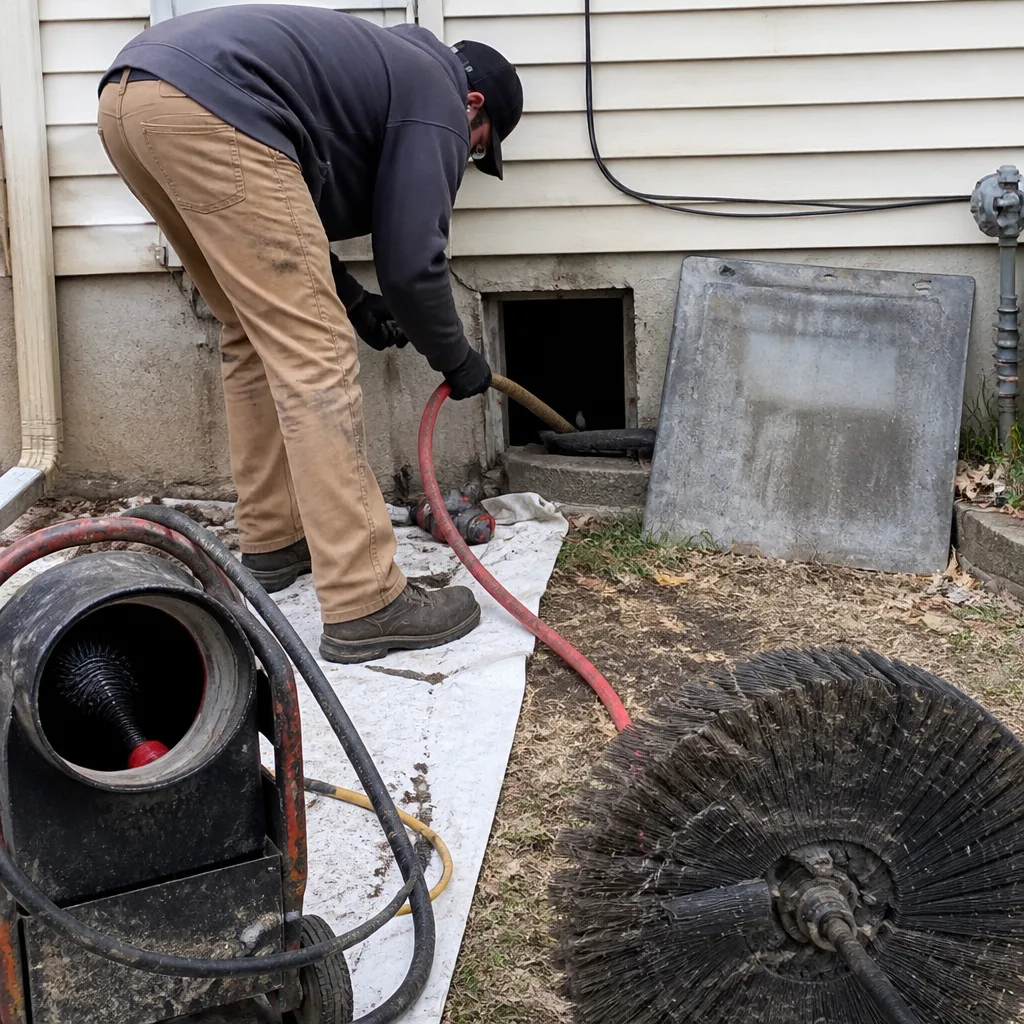 Before
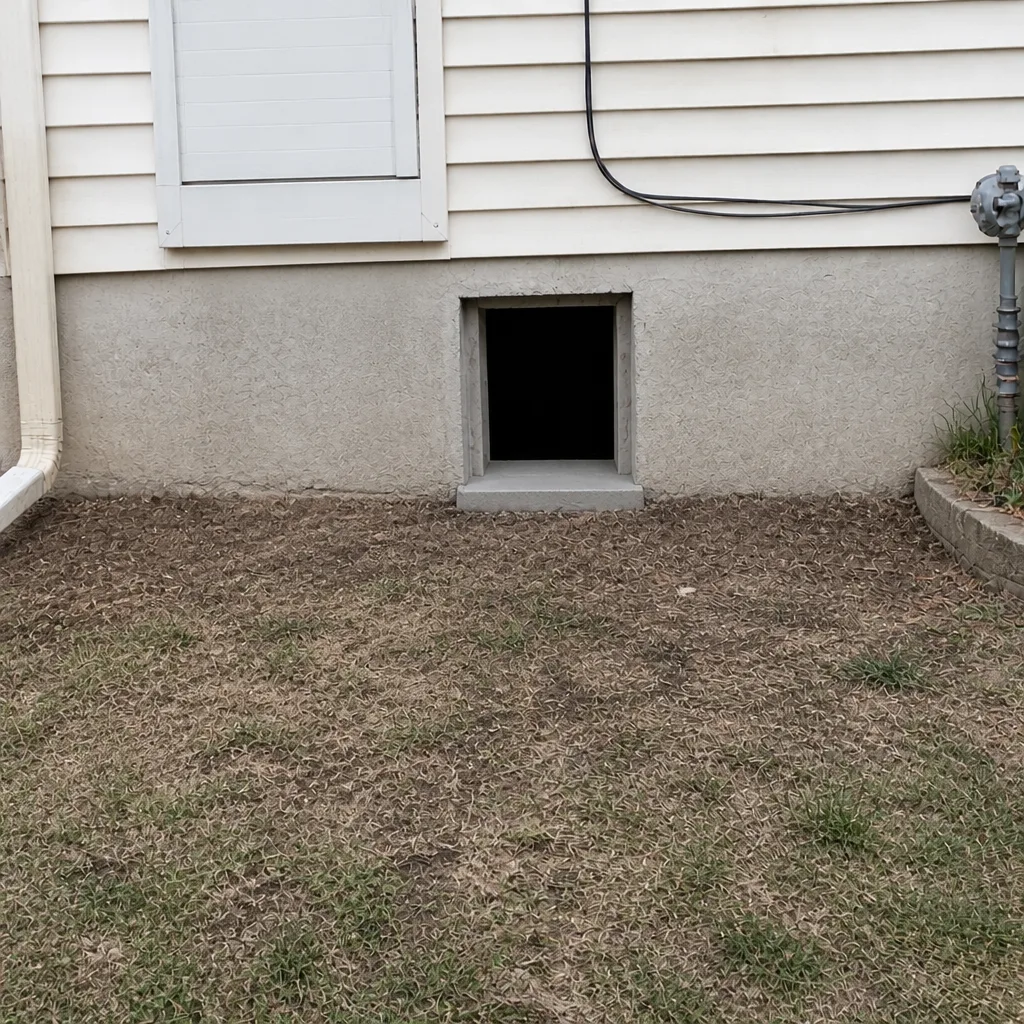 After
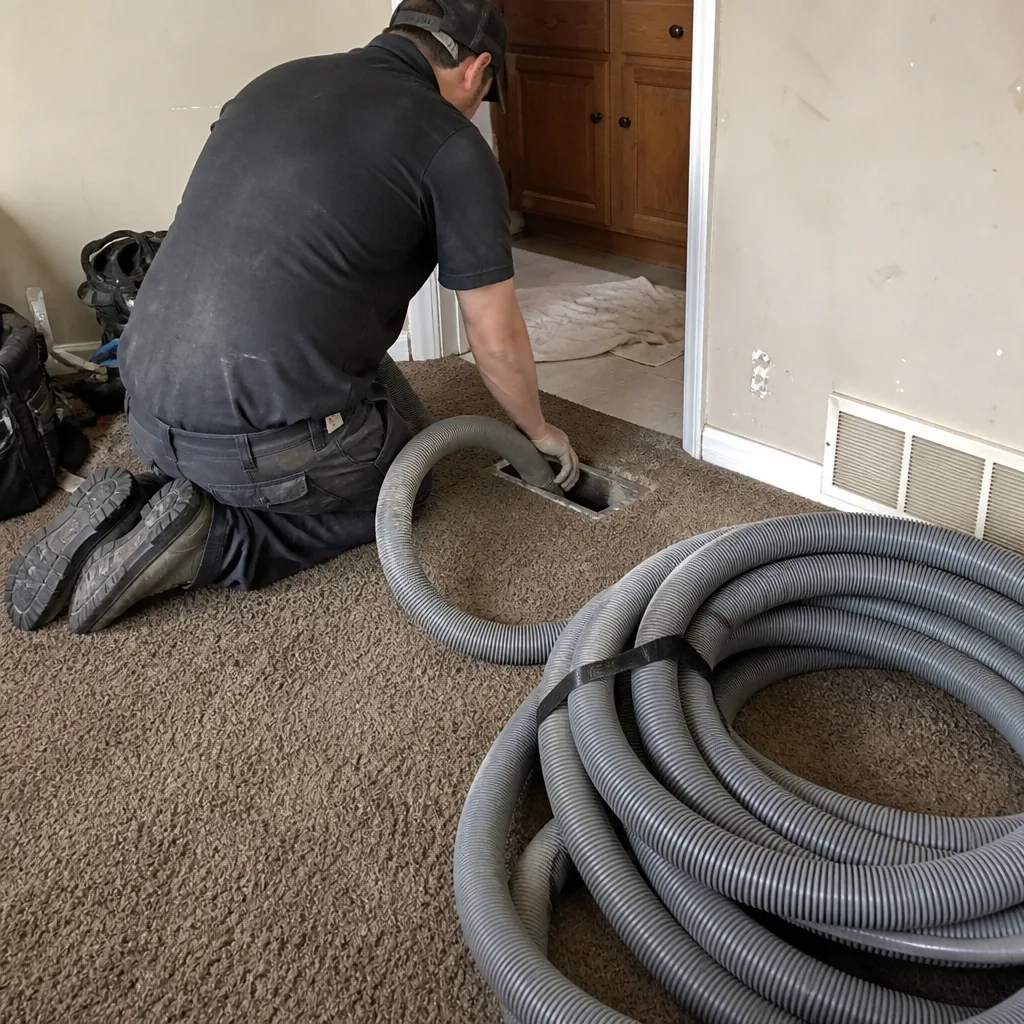 Before
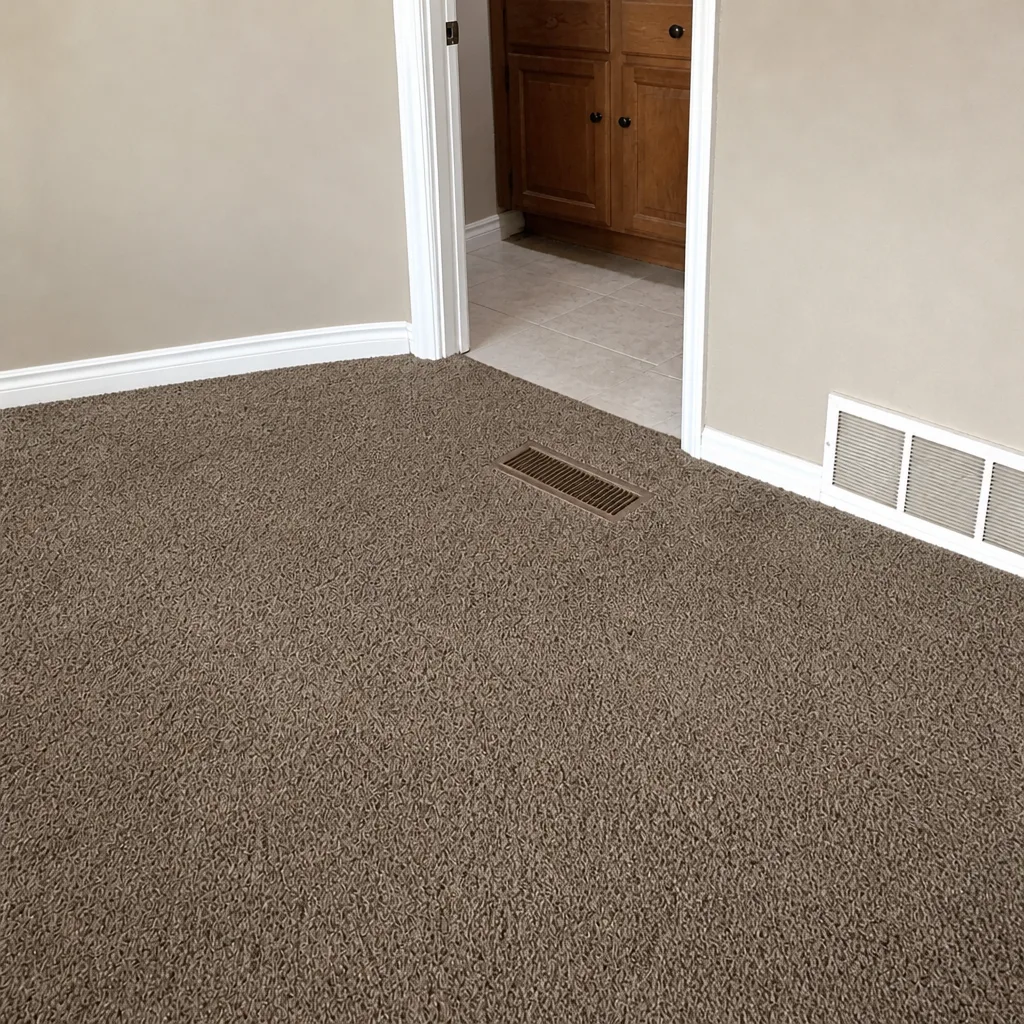 After
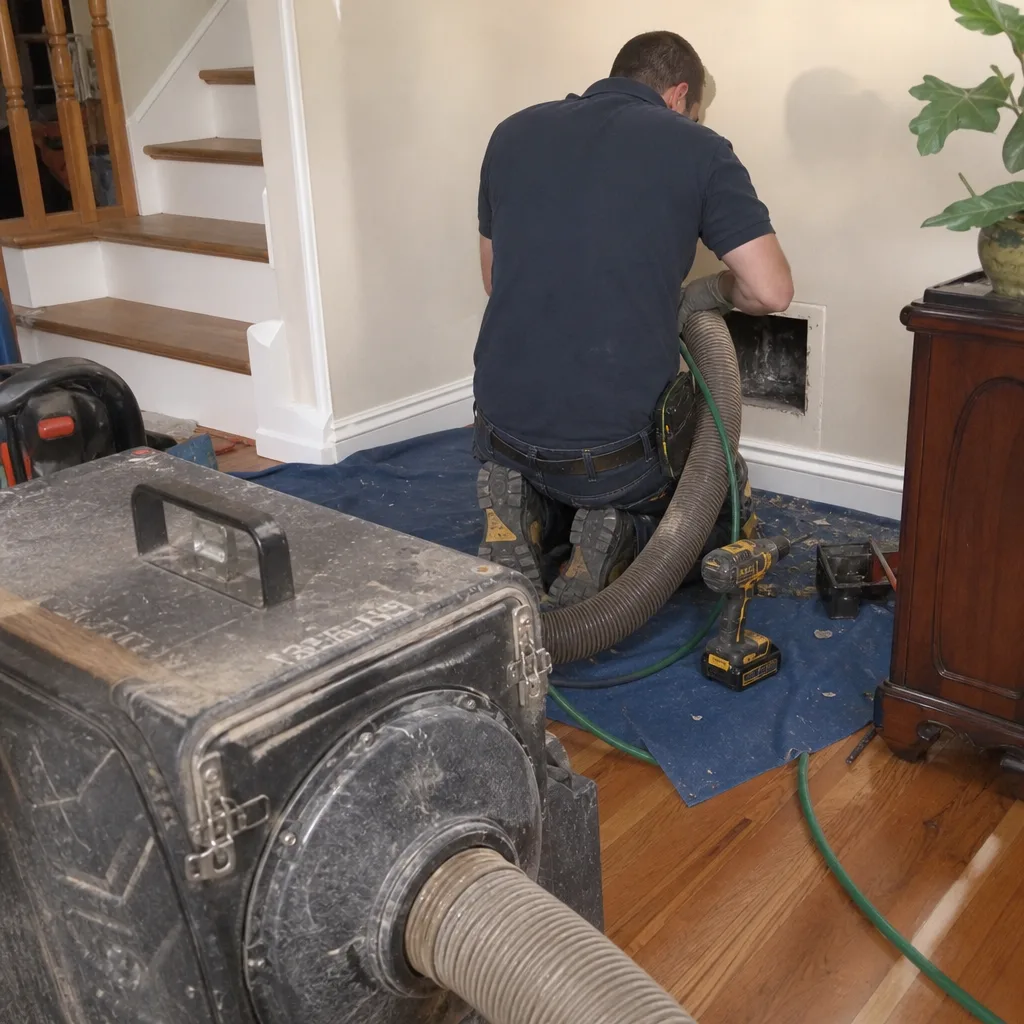 Before
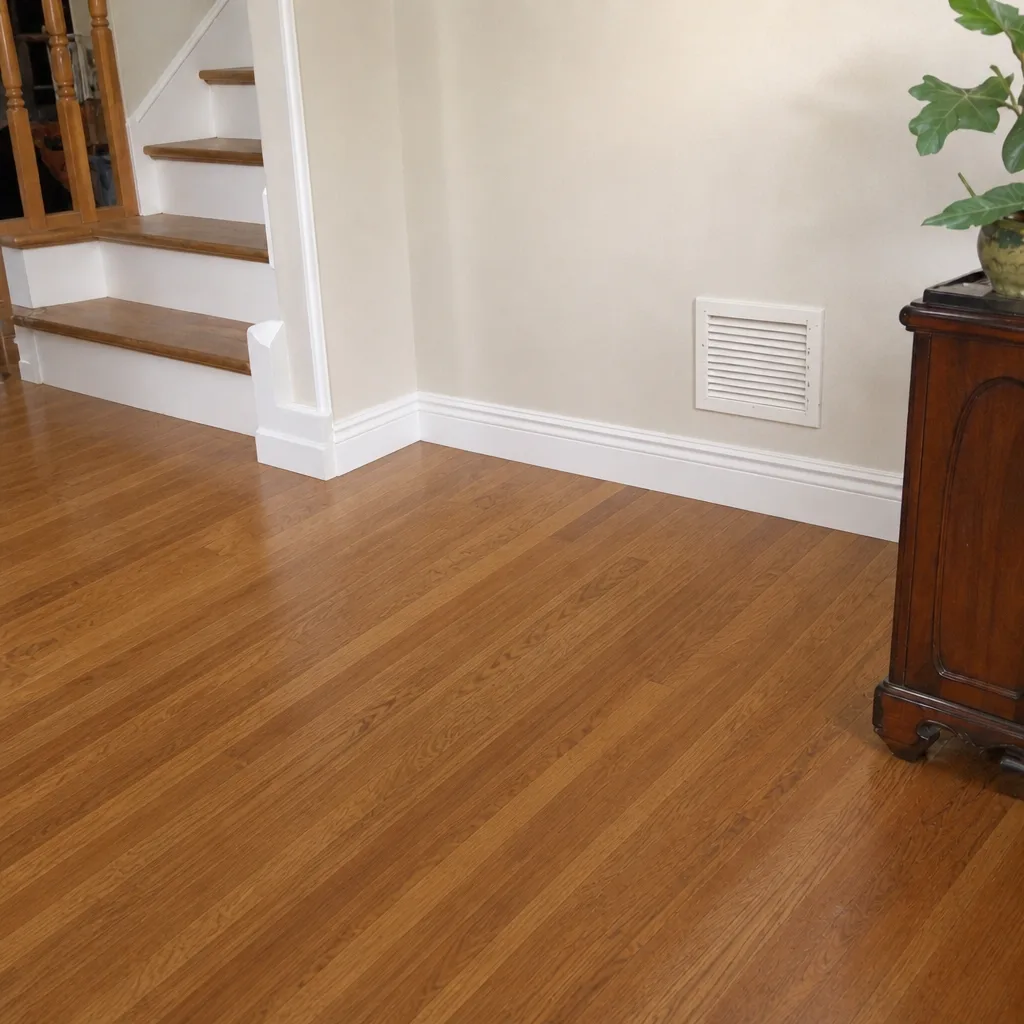 After
Frequently Asked Questions
Air duct cleaning in Layton is priced per system, not per vent, so the honest answer is a range quoted after a scope walk. Any price you hear before someone has seen your system is a placeholder. Contractors who quote firm numbers over the phone either guess and adjust later, or quote per-vent and exclude the trunks. Ask for a written quote after the walk, with a flat price that doesn’t change once the technician is on site. Call (833) 754-7579 for an exact quote. Estimates are free.
Cheap quotes are usually cheap because of what they leave out: main trunks, plenums, air handler interior, containment equipment, and post-job documentation. A per-vent quote can look dramatically lower than a full-system quote and still cost more per cubic foot of duct cleaned, because you’re paying for a smaller scope. Ask any contractor with a low number exactly what’s excluded, in writing. Call (833) 754-7579 for a written quote you can compare line by line.
You know the work was done by seeing before-and-after photos of your own ducts. Ask for them at booking. A company whose cleaning process relies on real equipment (Rotobrush contact cleaning, Nikro HEPA extraction, Abatement Technologies containment) has the inspection tools to document the result. A company that can’t produce a photo of your system has likely not cleaned areas you can’t see. Call (833) 754-7579 to book a job with documentation included.
Most homes don’t need annual duct cleaning. The intervals that matter are triggered by events: a renovation, a new pet, a move-in where the previous owner’s habits are unknown, a new baby, or a symptom pattern that tracks with HVAC use. Homes with continuous construction dust nearby in Layton and homes with flex-duct transitions that leak tend to need it on a shorter cycle. Ask a contractor to inspect first. Call (833) 754-7579 and we’ll walk through what your system actually needs.
Cleaning removes accumulated dust, debris, and biological material from the duct system, which is where a meaningful share of the airborne particulate in a home originates. It’s not a medical treatment and we don’t present it as one, but a system that starts clean is a better baseline for filtration and air quality work. Layton’s spring pollen and valley dust events are hard on sensitive household members, and removing the reservoir in the ducts makes the filtration step matter more. Call (833) 754-7579 to talk through your situation.
Yes, when the dryer vent run is longer or wall-routed, which is common in Layton homes where the laundry sits away from an exterior wall. Lint buildup in a restricted run is a fire-safety concern that has nothing to do with how the house looks. Cleaning it in the same visit makes sense both for schedule and for a complete picture of your air and vent pathways. Ask about it when you book duct work. Call (833) 754-7579 for a combined estimate.
The Bottom Line
Hiring the right duct cleaning contractor in Layton comes down to verification, not reputation. Ask for the make and model of the machine, not the industry term. Demand a written scope that names main trunks, plenums, the air handler, and both supply and return sides. Book a contractor whose quote is per-system and flat, and who will cut access panels if the system needs them and seal them when the job is done. Ask what documentation you’ll receive: specifically, before-and-after photos of your own ducts. Any contractor who answers those questions clearly is worth your business. Any contractor who dodges isn’t.
Our team at Layton Air Duct Cleaning connects homeowners and property managers with the work performed by independent local professionals, and we’re glad to be part of the decision when you’re ready. Call (833) 754-7579 for a free estimate. We answer 24/7. Fast dispatch from 7am to 7pm, Sunday through Friday.
Written by the team at Layton Air Duct Cleaning.