
Last updated November 25, 2026
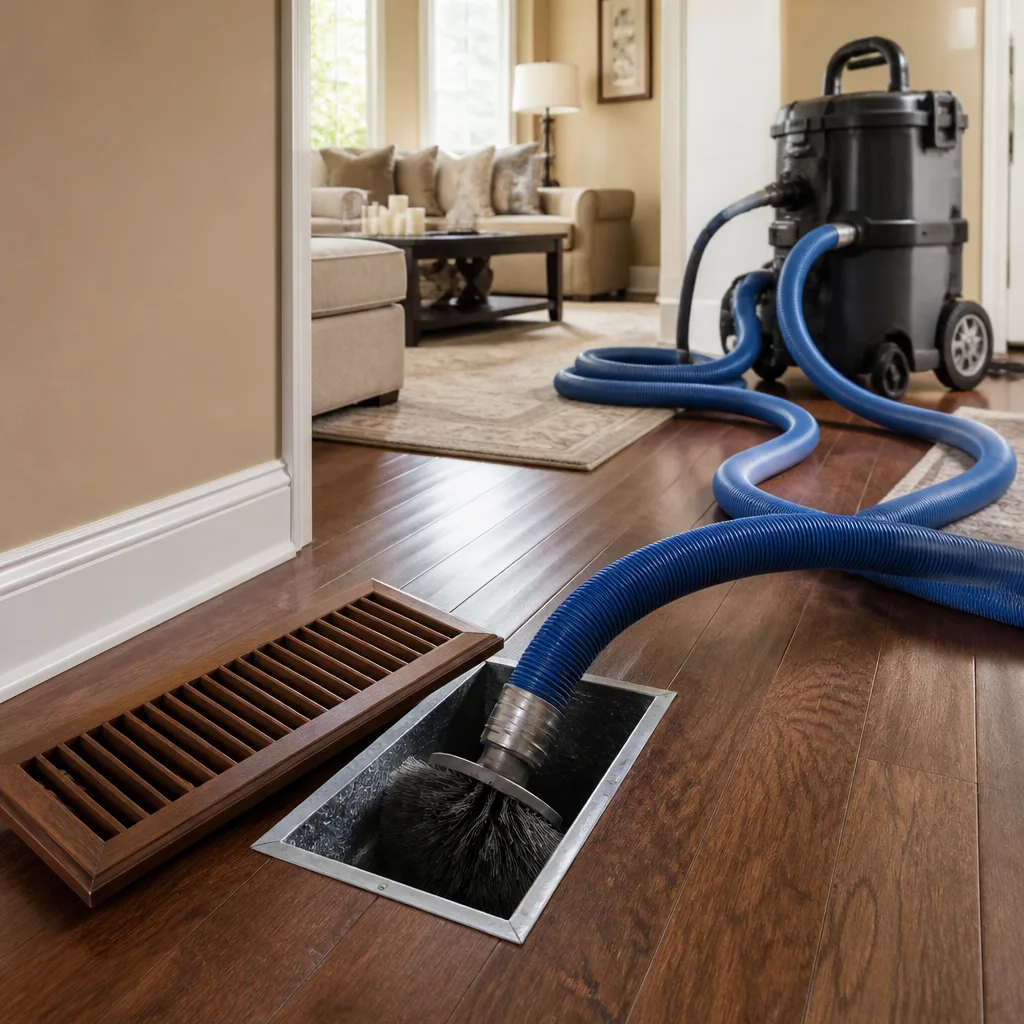 Whole-home duct cleaning
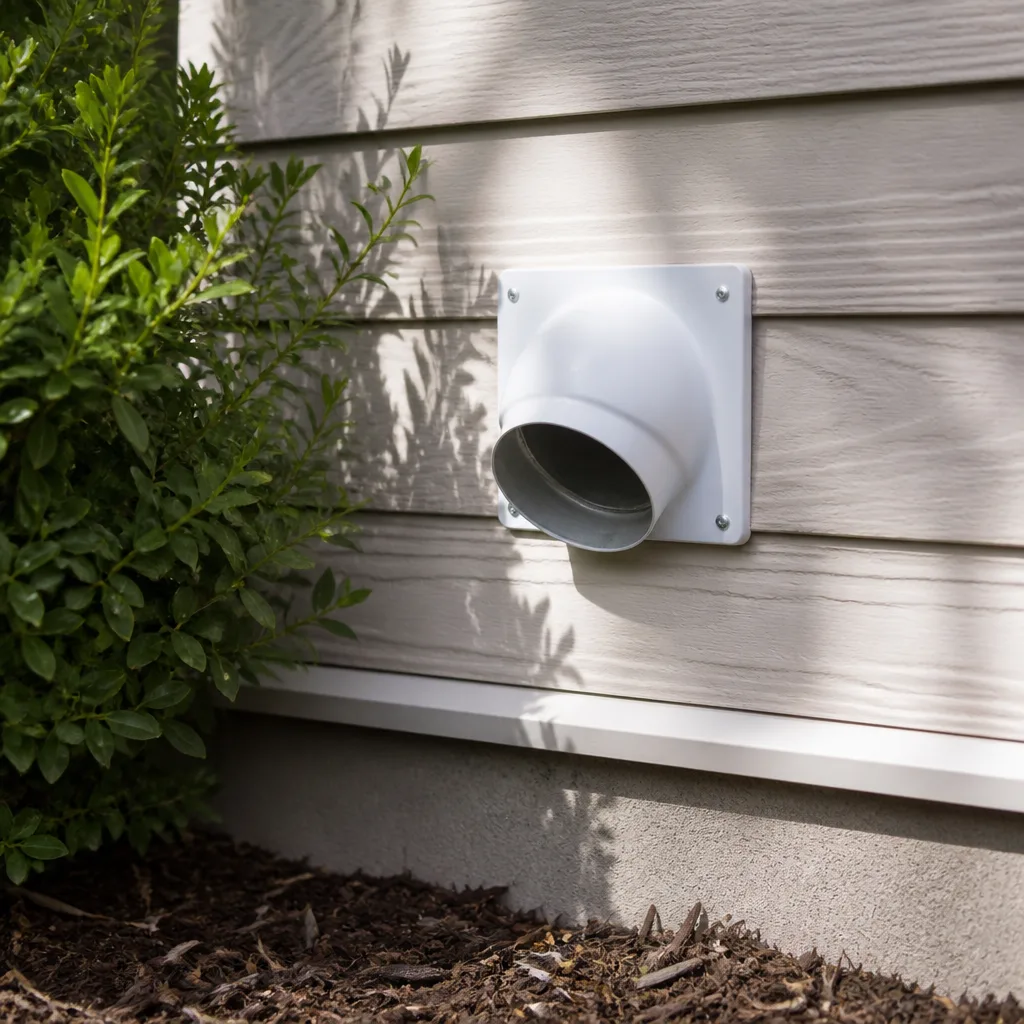 Dryer vent cleaning
 Camera inspection
 Sanitizing & deodorizing
Whole-system duct and dryer vent check with before-and-after photos - you see exactly what came out of your vents
That "$99 whole-house special" is a bait ad - the real number appears once they are in your hallway, or the "clean" is a shop-vac at the register. We photograph the inside of your ducts before and after instead.
Seasonal Air Duct Cleaning Care for Layton: Year-Round Homeowner’s Guide
Most homeowners think about duct cleaning once, when something goes wrong – a musty smell, a visible dust plume from a vent, a technician’s comment during an HVAC repair. That reactive approach misses the real story. In Layton, your ducts face four distinctly different kinds of stress across a single year, and each one asks something different of the system. Winter pushes fine particulate load into the return side during inversion season. Spring exposes what a long heating run left behind. Summer puts moisture and condensation pressure on flex duct runs. Fall is the narrow window to get ahead of heating season. The homeowner who understands this cycle schedules maintenance instead of repairs. This guide maps the year out season by season, with the tasks, checks, and timing that fit Layton’s actual weather patterns rather than a generic national calendar.
Styles & brands we work with
- Whole-home duct cleaning
- Dryer vent cleaning
- Camera inspection
- Sanitizing & deodorizing
Quick Answer
In Layton, air ducts need attention at four transition points rather than on a single annual date: a pre-heating-season professional cleaning in early fall, a filter and blower check in spring after the furnace run ends, a moisture and condensation inspection in mid-summer, and filter upgrades before inversion season begins in winter. Seasonal duct care in Layton isn’t about cleaning more often – it’s about matching the work to what each season does to your system.
Table of Contents
- Why Layton’s Climate Stress-Tests Ducts Differently
- Winter and Inversion Season: When Indoor Particulate Load Peaks
- Spring: The Post-Heating-Season Inspection Window
- Summer: Coil Condensation, Moisture, and Flex Duct Risk
- Fall: Pre-Heating-Season Duct Inspection Checklist
- Building a 12-Month Maintenance Calendar for Layton
- How Often Does Duct Cleaning Really Need Doing Here?
- Signs Your Ducts Need Attention Before the Season Turns
- Common Mistakes to Avoid
- When to Call a Professional
- Frequently Asked Questions
- The Bottom Line
Why Layton’s Climate Stress-Tests Ducts Differently
Layton sits in a valley basin, and that geography shapes the air your system moves more than most homeowners realize. Cold air settles, warm air rises, and for stretches of winter the valley holds a layer of colder air beneath warmer air above. That temperature inversion traps pollutants near the ground – wood smoke, vehicle exhaust, fine dust – and keeps them there until weather moves them out. The EPA and local air quality agencies track fine particulate (PM2.5) closely during those stretches because the concentrations can climb well above normal background levels.
What that means inside your home is less obvious but well documented by building scientists: a house is rarely a sealed box. When a home’s envelope isn’t tightly sealed and the heating system runs, the pressure balance between indoors and outdoors shifts. Air that leaks into a home has to come from somewhere, and in many Layton homes it comes from the attic or crawl space through the path of least resistance – unsealed duct joints, disconnected flex connections, or gaps at register boots.
So the contaminant load your ducts carry isn’t only what your own household generates. It’s also what the surrounding air and the attic above push into the system. That’s the core reason a Layton homeowner benefits from a seasonal mindset. The same ducts that run clean-enough for a mild spring can accumulate meaningful surface buildup through an inversion-heavy winter, and a system that stayed dry through a mild summer can pick up moisture in a hot, humid stretch that runs the AC hard. Different months put different pressures on the same equipment.
The four seasons of duct stress in Layton
- Winter: highest particulate load; filter working overtime; duct surfaces collect fine buildup; return-side leakage pulls attic air.
- Spring: furnace winding down; the blower compartment and supply runs show what winter left; crawl space humidity begins to rise.
- Summer: AC runs long; evaporator coil condensation; cool supply air meets warm, humid attic air in flex runs; mold risk rises in poorly sealed or insulated sections.
- Fall: the narrow, comfortable window to clean, seal, and sanitize before the furnace starts running hard again.
If you want the plain-language version of the cleaning itself, our air duct cleaning page walks through the process, the equipment, and what gets removed.
Winter and Inversion Season: When Indoor Particulate Load Peaks
Winter is the season that separates a maintained duct system from a neglected one in this valley. As the furnace runs more, it pulls more air – and more contaminants – through the return side. If your return ducts have leaks or gaps, some of that incoming air comes from the attic or crawl space rather than from your living space. In an inversion-heavy month, that’s not neutral air.
Here’s what we look at heading into winter:
- Filter selection: a filter rated to a higher MERV number captures more fine particulate, but it also loads the blower motor more. A mid-efficiency filter, changed on a tighter schedule, is often a better balance than an ultra-high-MERV filter that clogs fast and starves airflow.
- Return-side leakage: the joint where original ductwork meets a register boot, flexible connections at the air handler, and any taped seams that have dried out.
- Surface buildup: the fine, grayish film that accumulates on duct walls over a hard heating season. By the time it’s thick enough to change your filter life, it’s also a reservoir that keeps feeding downstream air.
- Air handler blower wheel: a wheel caked with dust moves less air and runs hotter.
The bigger point for winter: the goal isn’t to clean more often, it’s to keep the system from actively pulling contaminated air in. That’s why duct repair and sealing belong in the same conversation as cleaning. If a joint leaks, the cleanest duct in Layton is still drawing dirty air through it during a hard heating month.
Winter tasks
- Check and replace the furnace filter on a tighter schedule than you would in spring or fall.
- Do a walkthrough – visual, not hands-on – looking at exposed duct joints, register boots, and the air handler area for gaps or separated tape.
- Note any change in dust on furniture or a new musty odor; both point to a source you can’t see.
- If you’ve had a renovation, a pet change, or a health event that raised your sensitivity to air quality, get an inspection before winter peaks.
Spring: The Post-Heating-Season Inspection Window
Spring is when the system is quiet enough to look at properly, and when a lot of the winter’s cost shows up on the equipment. The furnace blower is off more than it’s on. That’s the moment to find what winter did before the cooling season introduces a whole new set of conditions.
Three priorities matter most here:
1. Blower compartment cleaning
The blower is the heart of the air guidance system, and it’s the most overlooked. A wheel with a film of dust across its blades moves measurably less air than a clean one. Less airflow means the system runs longer to reach the same temperature and every room feels a little flat. Inspecting and cleaning the blower compartment during the spring window – while the system is idle – makes sense in a way it doesn’t mid-summer.
2. Duct surface assessment
After a hard heating run, the duct surfaces show their accumulation. That’s when a professional inspection earns its keep: looking at the return side, the supply runs, and flex duct sections to see where contaminant load has built up and whether cleaning is the right move this year or can wait. The professional-grade systems used on this kind of assessment include contact-cleaning tools that work the inside of the duct wall rather than just pulling loose debris from register to register – the difference between the appearance of cleaning and an actual clean.
3. The switch to cooling mode
Before the AC runs for the first time, a few checks pay off. Confirm the return air path at the air handler is clear. Look at any accessible flex duct runs for kinks, sagging, or disconnected connections – all common weak points after a winter of movement. If the system has an Aprilaire or Honeywell filtration unit or humidity-control system, this is the time to check its media or reservoir and confirm it’s ready for the cooling season.
Spring is also when a growing family or a remodel changes the calculation. Dust from a renovation is the classic case: drywall, sawdust, and insulation particles go deeper into the system than a household can move with a shop-vac, and a proper clean after the work is done makes far more sense than a cleaning done mid-demolition.
Summer: Coil Condensation, Moisture, and Flex Duct Risk
Summer is when moisture, not dust, becomes the primary concern. The evaporator coil runs wet. Condensation is normal inside the coil housing – it’s what dries the air. The problem is where that moisture ends up when the drainage path is slow or partly blocked, or when it wicks into insulation inside a duct run.
Here’s what tends to happen in Layton homes through a hard cooling season:
- The condensate pan and drain line can develop a slime layer that slows drainage. Water then stands longer than it should, and standing water near a duct system is a moisture problem waiting to become a duct mold problem.
- Flex duct runs in hot attics are the most exposed part of the system. A run with a loose or poorly sealed inner liner can pull humid attic air into the supply stream. When that cool, conditioned air meets that added humidity in a short section, the inside of the run can stay damp long enough for microbial growth to establish.
- Duct surface condensation happens where a cool duct run meets a warm humid space and the insulation has been displaced or degraded. Water marks or dark patches on a duct surface are the visible sign.
Ventilation and moisture balance matter in summer more than any other season. Bath fans and kitchen exhaust aren’t just comfort features in a tightly built home – they move moisture out before it can migrate into the duct path. If you can see or smell moisture in the air handler area, get it inspected rather than waiting for a smell to develop.
If the summer is a renovation year, the same post-work cleaning you’d schedule in spring applies. A professional clean handled by a system with HEPA-rated extraction and negative-air containment does more than a vacuum at the register. It captures what’s being removed, so it doesn’t end up back in the room.
Fall: Pre-Heating-Season Duct Inspection Checklist
Fall is the year’s most important scheduling month for a Layton duct system. The goal is to get cleaned, sealed, and ready before the furnace runs hard and the fireplace season adds indoor particulate. Cleaning in fall means winter starts with a system that isn’t fighting its own sediment load.
Before you schedule, run this checklist:
- Look at your supply vents. A dark ring around the register slot, dust trails up the wall, or visible debris on the vent face means the supply runs are carrying more than they should.
- Check the return vents. Return grilles often carry a filter. If it’s a mesh filter, clean it. If it’s disposable, replace it.
- Note the smell. Musty, dusty, or a faintly sweet odor in individual rooms is worth a professional look. Not all smells come from the ducts, but a duct clean is often part of the answer.
- Assess your filter history. Did you change the filter more often than usual last winter? That tells you the load your system carried.
- Look at the attic or crawl space if accessible. Duct joints, disconnected connections, and insulation displacement near the ducts are the three things worth flagging for the technician.
- Check the HVAC closet. Water marks near the air handler, a blower wheel that looks coated, or a filter that’s been overdue all spring – all signs to schedule a proper clean and inspection.
- Consider the family calendar. A pet, a new baby, allergy season, a move-in – these change how much cleaning your household actually wants.
Then book the professional clean. Fall schedules fill up quickly because duct cleaning competes with every other pre-winter home task. Doing it early in the season, before the furnace runs hard, is the point.
What a proper fall clean includes
- Source removal with contact-cleaning equipment that works the surfaces, not just the air.
- HEPA-rated extraction so the removed particulate is captured rather than redistributed.
- A full inspection of the return and supply path, the air handler, and accessible duct runs.
- Repair and sealing of leaks found during the inspection.
- A sanitizing step where the situation warrants it, using a recognized finish-quality product.
- A written summary of what was found and what was done.
Our HVAC cleaning page covers how the cleaning extends to the equipment itself – blower, coil housing, and drain pan – which matters as much in fall as the ducts.
Building a 12-Month Maintenance Calendar for Layton
Generic national advice says “clean your ducts every three to five years” and leaves it there. That number can be roughly right for a mild climate with predictable seasons. Layton’s calendar is more specific than that, and the tasks you put on it are as important as the cleaning interval.
Here’s the 12-month plan we’d recommend for most Layton homes:
January through February – mid-winter hold
- Change the filter on the winter schedule.
- Watch for new dust or musty odors; note when they appeared.
- Keep an eye on the air handler closet for moisture.
March – the transition check
- Filter change; check blower area for dust accumulation.
- Assess whether the heating season left visible duct issues.
April through May – the spring window
- Book the post-heating-season inspection.
- Clean the blower compartment and assess duct surfaces.
- Check Honeywell or Aprilaire filtration and humidity components for readiness.
- Confirm the switch to cooling mode path is clear.
June through August – the cooling-season watch
- Inspect the condensate pan and drain line.
- Look at accessible flex duct runs for loose connections or insulation issues.
- Ventilate properly – bath and kitchen fans doing their job is a summer priority.
- If you did a renovation, schedule the post-work cleaning.
September through October – the fall clean
- Full professional duct cleaning with contact cleaning and HEPA extraction.
- Duct repair and sealing on any leaks found.
- Sanitizing step where warranted.
- Filter replacement before the heating season.
- Book early; fall fills up.
November through December – pre-inversion prep
- Confirm the filter is the right grade for winter load.
- Check that the sealing work is holding.
- Note any new issues for the spring inspection.
Dryer vents are their own annual item and belong on the same calendar, not a separate one. A dryer vent that’s been slowly collecting lint is both an efficiency problem and a fire risk, and clearing it once a year is straightforward. Our dryer vent cleaning page covers how the vent clears and what to look for.
How Often Does Duct Cleaning Really Need Doing Here?
For most Layton homes, a professional cleaning every two to four years is a reasonable starting point, adjusted for household conditions. That range isn’t a national average – it reflects the accumulated load from an inversion-heavy winter and a long cooling season that most mild-climate homes don’t carry. A household with pets, allergy-sensitive occupants, recent renovations, or a smoker needs cleaning more often. A small, tightly sealed home with a well-maintained filtration system can go longer.
The better question than “how often” is “when.” Here’s the pattern:
- Every 12 months: filter changes on a per-season schedule; the annual dryer vent clear; a look at the return and supply vents.
- Every 2 to 4 years: a full professional duct cleaning and inspection, timed to the fall window.
- Every 5 to 7 years: a full system inspection including duct sealing and equipment check, especially in homes built more than 25 years ago when sealing standards were looser.
- As needed: after a renovation, after a move-in, after a pet change, or when the household has a health reason to want cleaner air.
One point that bears directly on timing: a duct clean that produces no before-and-after documentation isn’t something you can verify. Ask for photos of your own ducts. Any duct cleaner who can’t show them is probably not working the surfaces on the inside.
Signs Your Ducts Need Attention Before the Season Turns
Between scheduled cleanings, watch for these signals. They point to conditions where waiting for the calendar isn’t the right call.
- Visible dust trails at supply vents. A dark plume on the wall or ceiling around a register is a sign that supply air is carrying more than it should.
- A persistent musty smell in one or more rooms. It’s not always the ducts, but a duct clean and inspection is part of tracing it.
- Filter life shortening. If you’re changing filters more often than usual, the load in the system has gone up.
- Uneven airflow. Some rooms warmer or cooler than others can indicate blocked or leaking duct runs.
- Allergy symptoms that flare in the house. Layton’s pollen season and inversion season both line up with indoor air complaints.
- Visible mold or water marks near a duct. Stop and call a professional. Moisture in a duct path is a contamination question, not a household cleaning task.
- Recent renovation or a new pet. Both introduce material a home system isn’t built to filter at scale.
Common Mistakes to Avoid
- Waiting for a visible problem. By the time a musty smell or a dust plume appears, the contaminant load has usually been building for a season or more. The whole point of a seasonal calendar is to catch it before a symptom appears.
- Cleaning in summer’s heat. Mid-summer cleaning leaves a fresh duct path exposed to the season’s peak moisture and condensation risk. Fall and spring are the better windows in this climate.
- Choosing the lowest quote without asking what’s on it. A per-vent price with no inspection, no sealing, and no verification of work is not a comparable price. Ask what’s included before you compare.
- Skipping the sealing step. A cleaned duct with unsealed joints will pull attic or crawl space air back in through leaks. Cleaning without sealing in a Layton home during inversion season is half a job.
- Treating filters as a housekeeping detail. The filter is your system’s first-line defense. A clogged filter starves the blower and lets more particulate through into the ducts and the coil.
- Ignoring the blower compartment. A blower wheel with a dust film on it moves less air. That’s a comfort problem and an efficiency problem, and it’s invisible from the register side.
- Assuming dryer vent cleaning is optional. A dryer vent that hasn’t been cleared in years is a fire risk. It’s part of the same mechanical air system and belongs on the same maintenance calendar.
When to Call a Professional
Some seasonal tasks are household work. A filter change is a filter change. But several situations call for professional equipment and professional eyes:
- Visible dust, debris, or a dark buildup on the inside of supply or return vents.
- A persistent musty or chemical smell that doesn’t clear after a filter change.
- Any sign of moisture, water marks, or suspected mold in a duct or near the air handler. This one is worth stopping to flag: don’t go digging into ductwork to look for a mold source yourself. The equipment and containment methods a professional uses exist for a reason.
- A recent renovation, a new pet, or a move-in with unknown duct history.
- Allergy or respiratory symptoms that seem worse indoors.
- Duct sealing work – proper sealing is a job for professional equipment and an experienced technician, especially when the ducts run through an attic.
- A dryer that’s taking longer to dry or a vent that looks blocked.
We bring professional-grade equipment to every job – Rotobrush contact-cleaning systems, Nikro HEPA-rated extraction, and Abatement Technologies containment – so what’s removed stays removed. Every estimate is free, and the price is set per job in writing before work starts.
Call (833) 754-7579. We answer 24/7. Fast dispatch from 7am to 7pm, Sunday through Friday.
Frequently Asked Questions
For most Layton homes, a professional cleaning every two to four years is a reasonable starting point. Households with pets, allergy-sensitive occupants, recent renovations, or a history of heavy winter load should clean closer to the two-year end of that range. The most important part is timing it to the fall window, before heating season peaks. Call (833) 754-7579 for an exact quote – estimates are free.
Yes. Inversion conditions trap fine particulate (PM2.5) near the ground, and those particles can be the same ones your heating system is pulling into the air handler through return leaks and unsealed joints during the winter. A system with proper filtration, sealed ducts, and a clean path moves cleaner household air instead of attic air. Booking a fall cleaning and a sealing check is the practical way to prepare.
A low per-vent price is often a teaser for a service that doesn’t include inspection, contact cleaning, sealing, HEPA extraction, or sanitizing – and the real invoice grows once work is on the table. We quote by the whole system, agreed in writing before any work starts, with before-and-after photos so you can see what was removed. Call (833) 754-7579 for an exact quote.
Ask for before-and-after photos of your own ducts. A proper professional clean will produce them, and a clean that doesn’t can’t be verified. Combined with a written summary of what was found and what was done, that’s how you know. If a duct cleaner can’t show you photos of your ducts and the interior surfaces they worked, you have your answer.
Before. Cleaning in early fall means the system starts the heating season with a clean path and a fresh filter, rather than carrying summer’s and last winter’s load into the season that stresses it hardest. In the Layton area, fall schedules fill quickly, so book the inspection early in September. Call (833) 754-7579 for a free estimate.
They can contribute. Summer is when moisture and condensation risk peak, and a duct with accumulated dust and damp conditions is a poor environment for anyone with seasonal or year-round allergies. If symptoms are consistently worse indoors, an inspection is the sensible first step. Call (833) 754-7579 – estimates are free.
Cleaning removes contaminant buildup from inside the duct. Sealing closes the leaks through which air – and the contaminants it carries – enters or exits the duct path. In a Layton home during inversion season, a clean duct with unsealed joints still draws attic or crawl space air into the house. Cleaning and sealing together are the answer.
The Bottom Line
Layton’s climate doesn’t present a single duct problem to solve once a year – it presents four distinct pressures that arrive in sequence. Winter brings particulate load from inversion season. Spring exposes what the heating run left behind. Summer puts moisture and condensation on the table. Fall is the one clean window to get ahead of all three. The homeowner who builds a seasonal calendar – filter changes on a per-season schedule, a professional cleaning and inspection in fall, a spring blower and duct assessment, a summer moisture check, and an annual dryer vent clear – spends less money and has fewer surprises than the homeowner who calls when something smells wrong. That’s the whole idea behind year-round duct care for a Layton home. If you want to start the calendar with a professional inspection and cleaning, our team is ready. Explore Layton Air Duct Cleaning for the full-scope picture, or call us and we’ll walk through the seasonal plan that fits your household.
Call (833) 754-7579 for a free estimate. We answer 24/7. Fast dispatch from 7am to 7pm, Sunday through Friday.
Written by the team at Layton Air Duct Cleaning.
See the difference
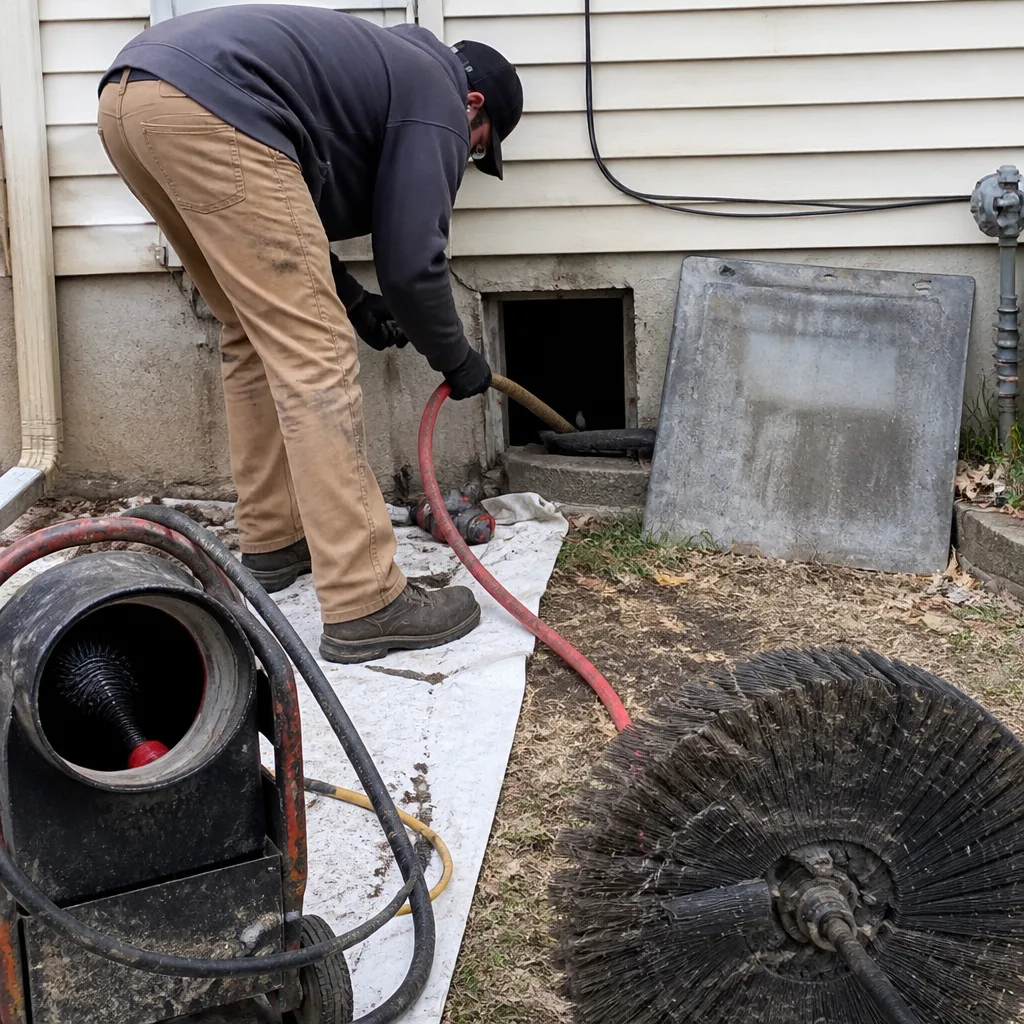 Before
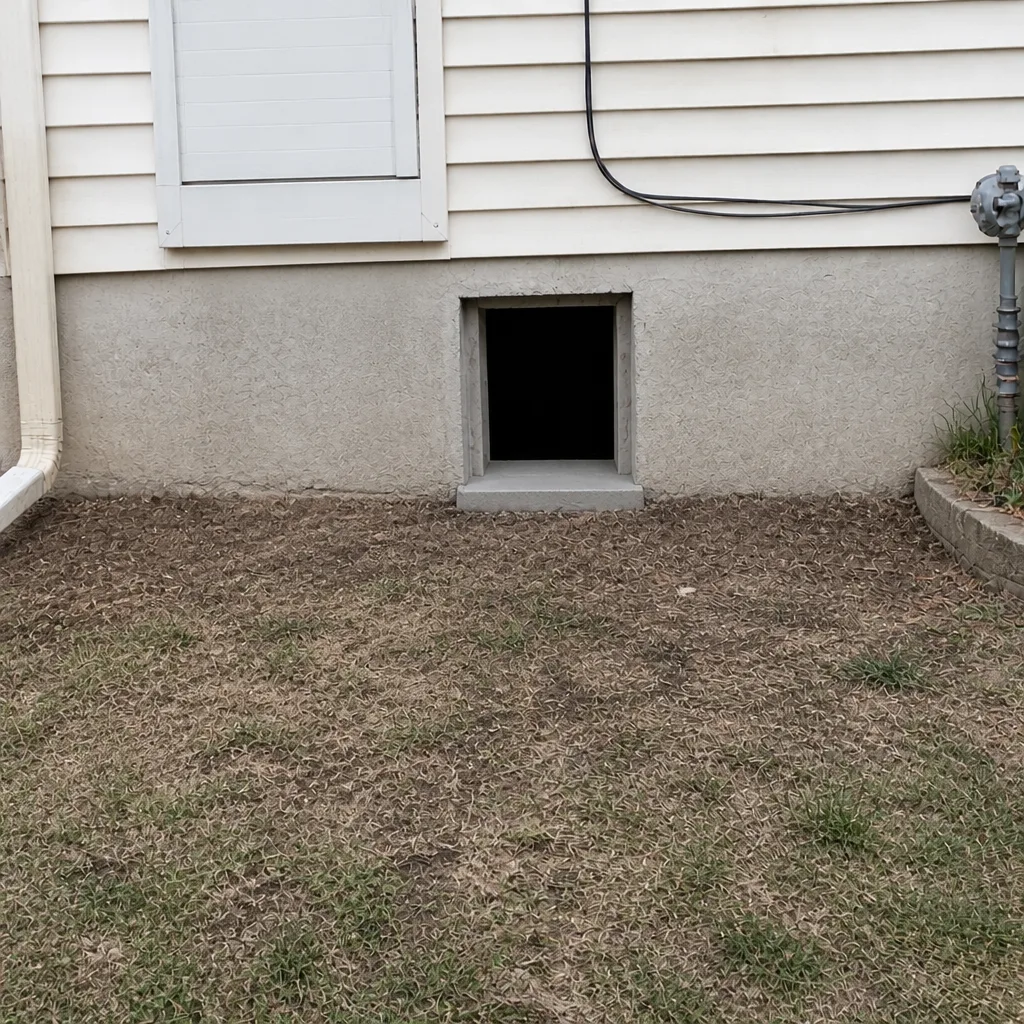 After
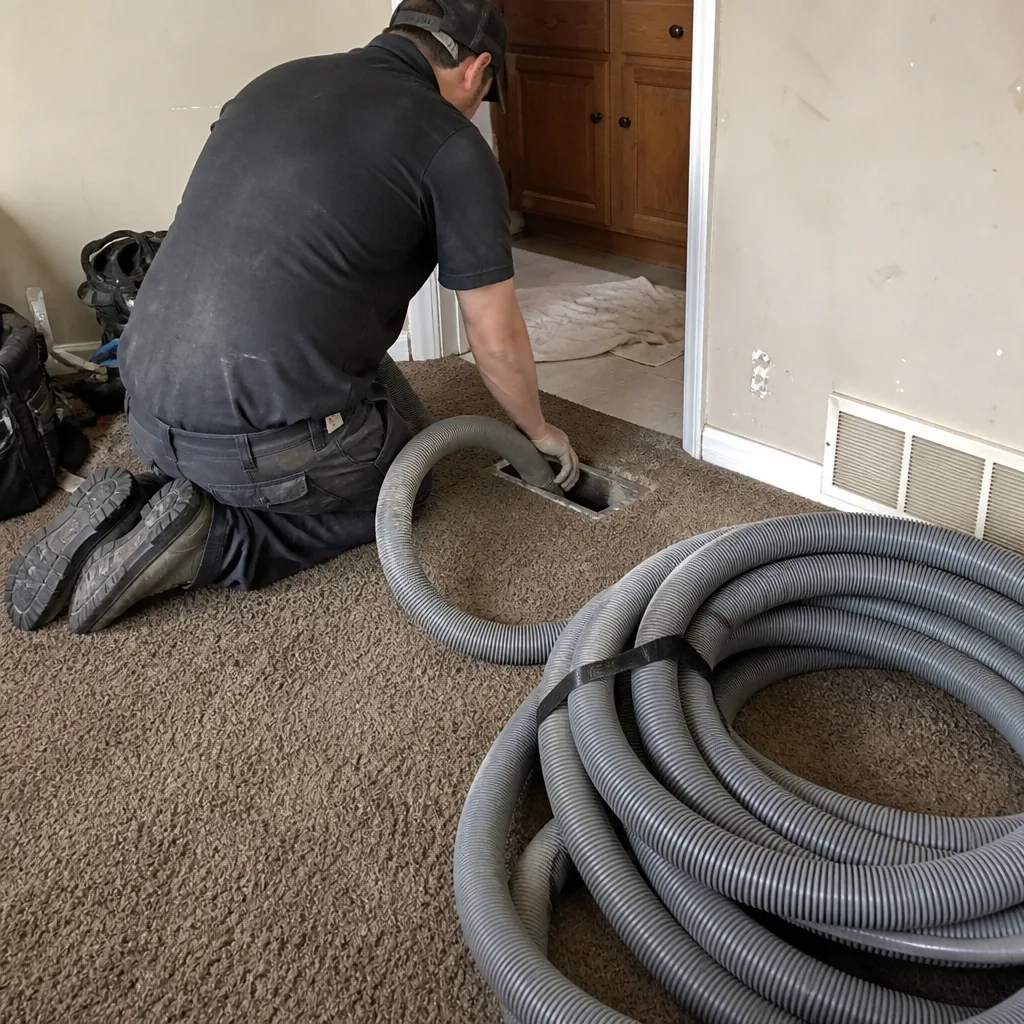 Before
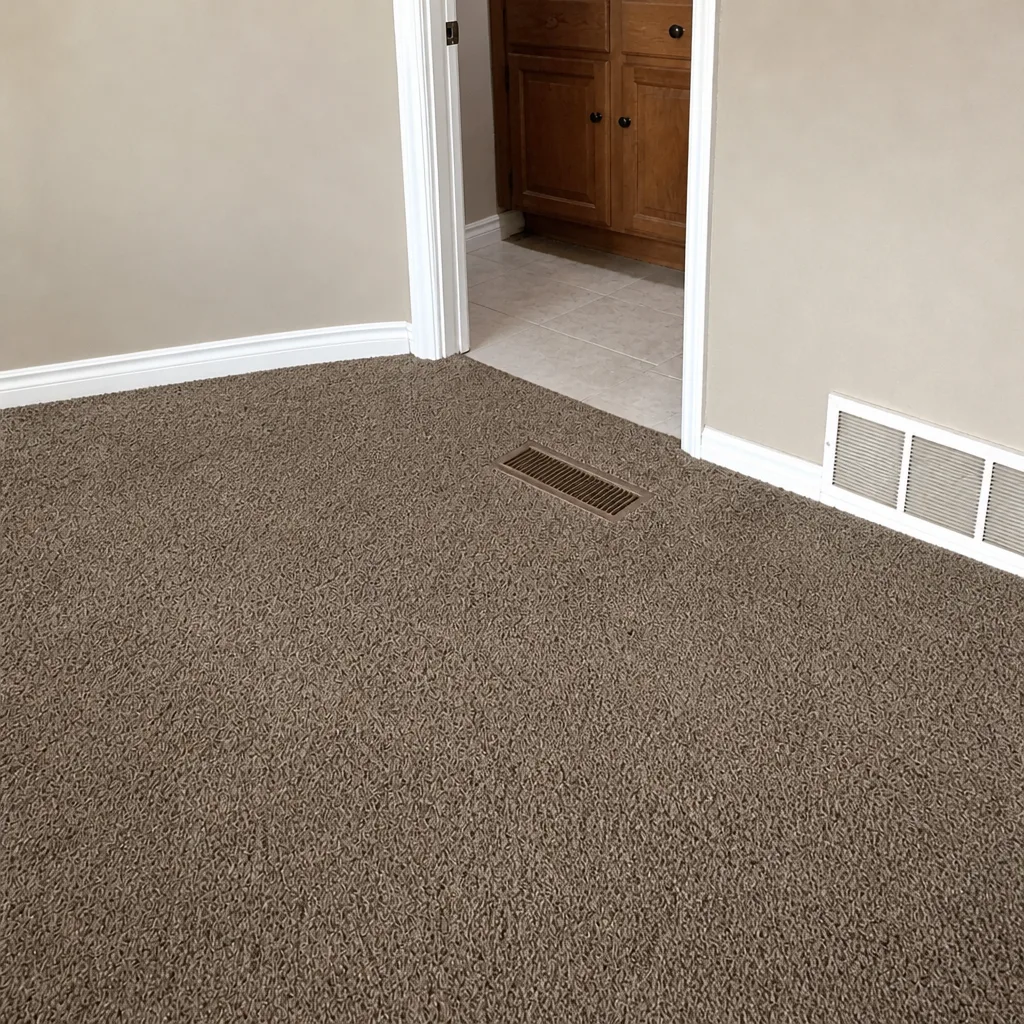 After
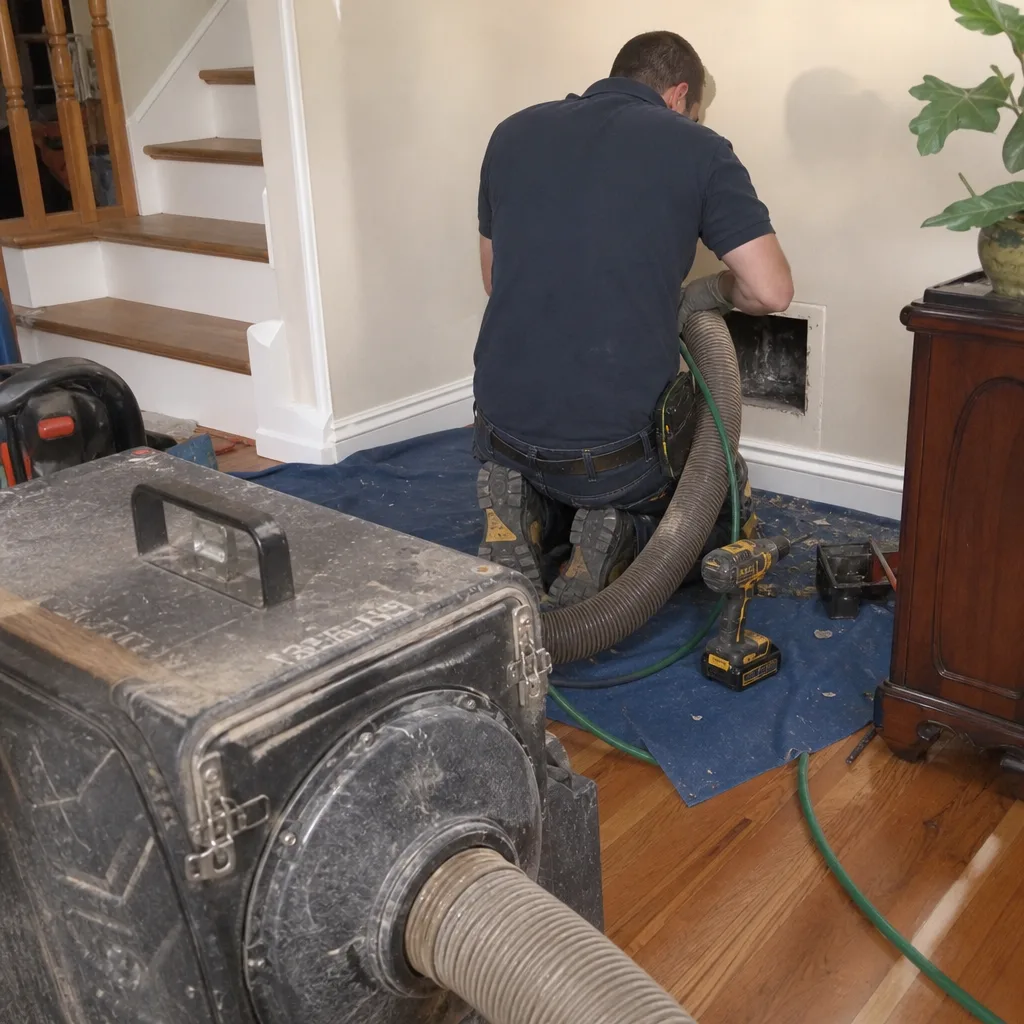 Before
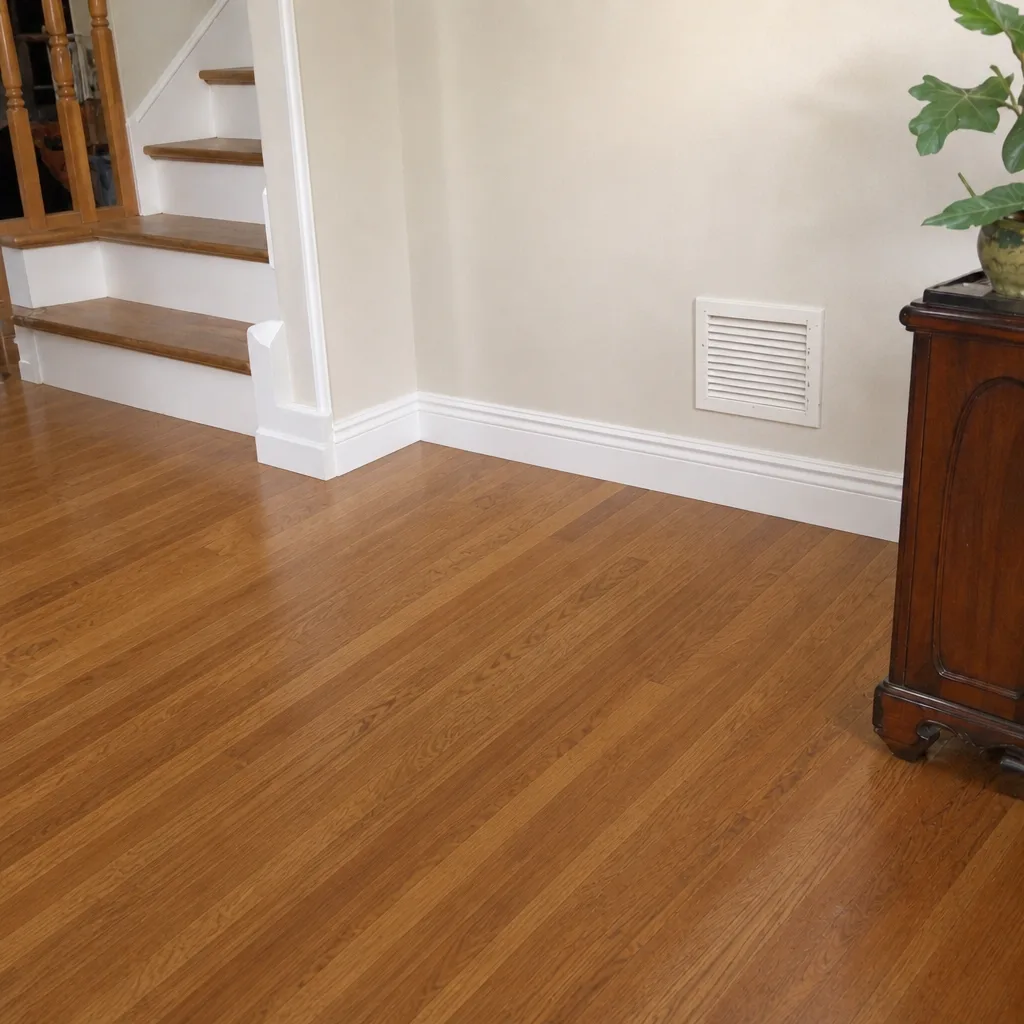 After