
Last updated November 25, 2026
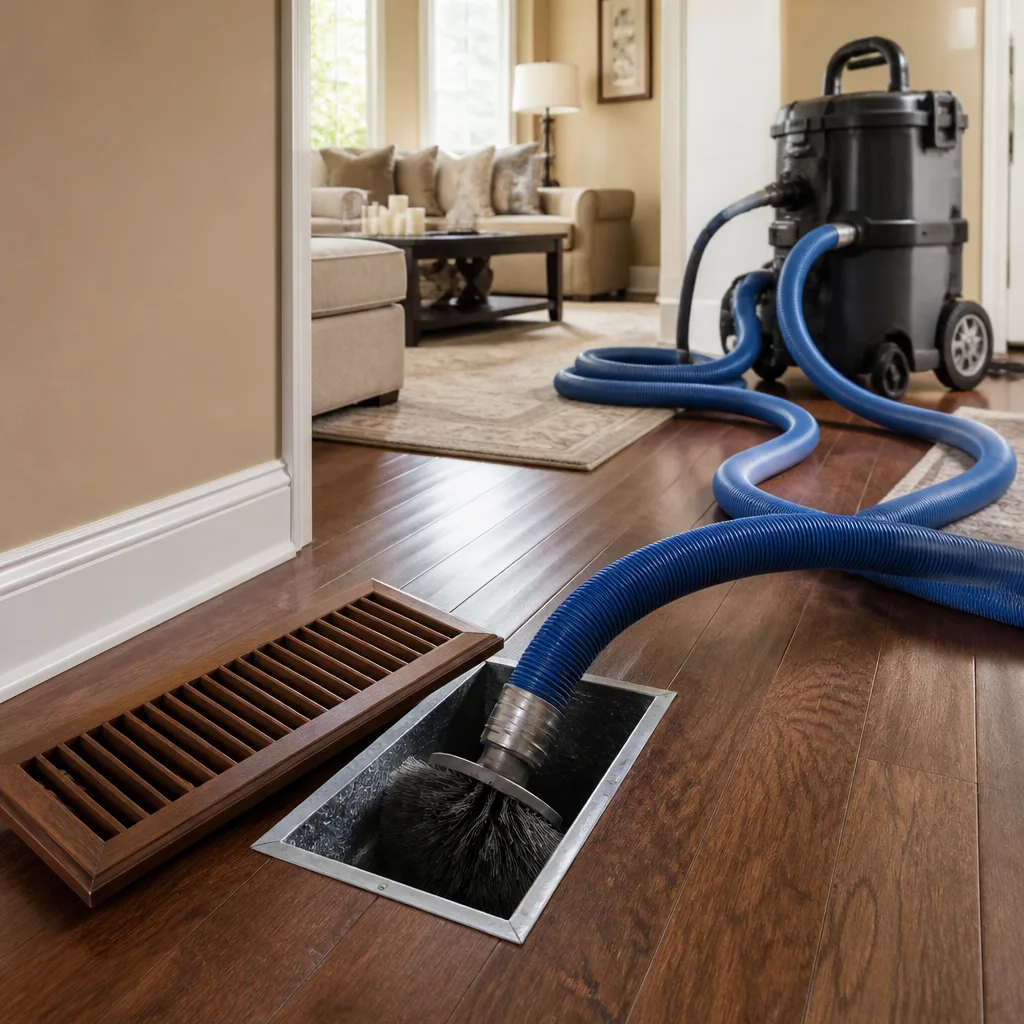 Whole-home duct cleaning
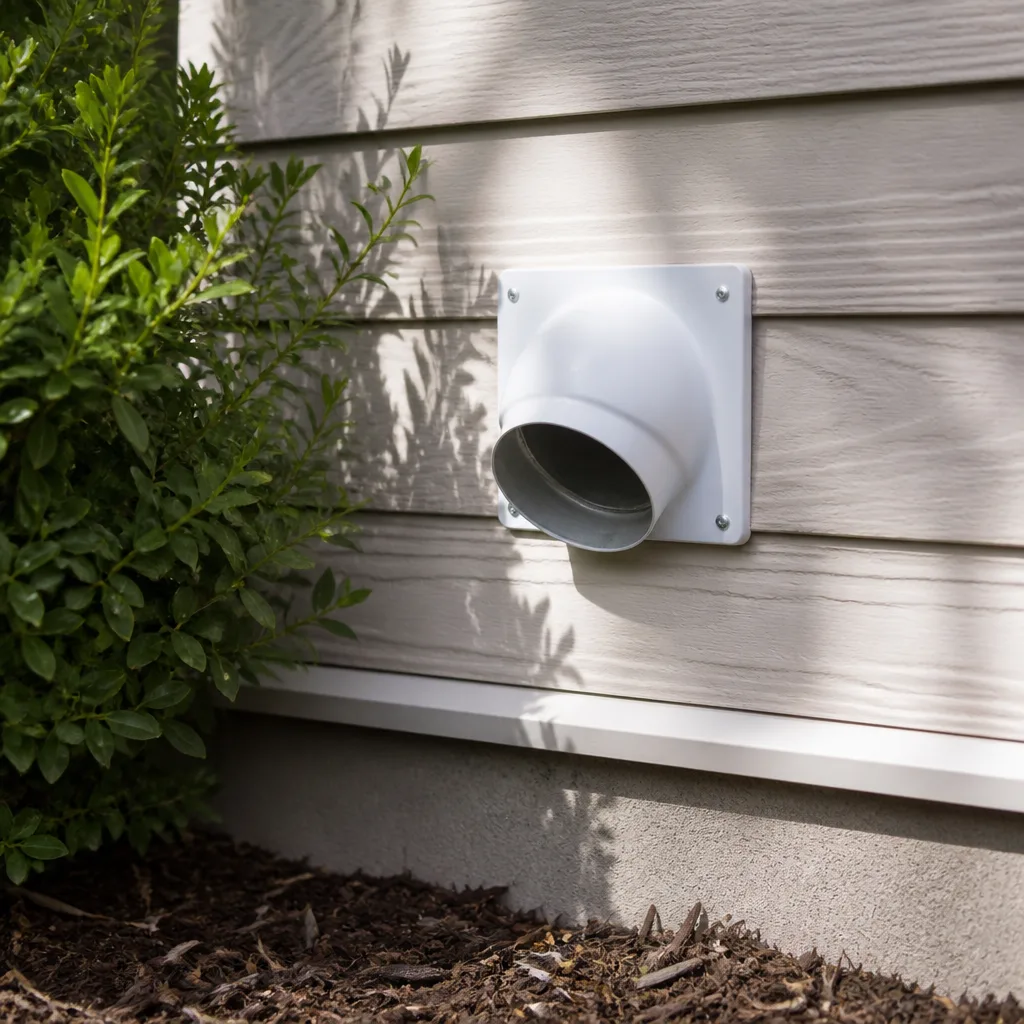 Dryer vent cleaning
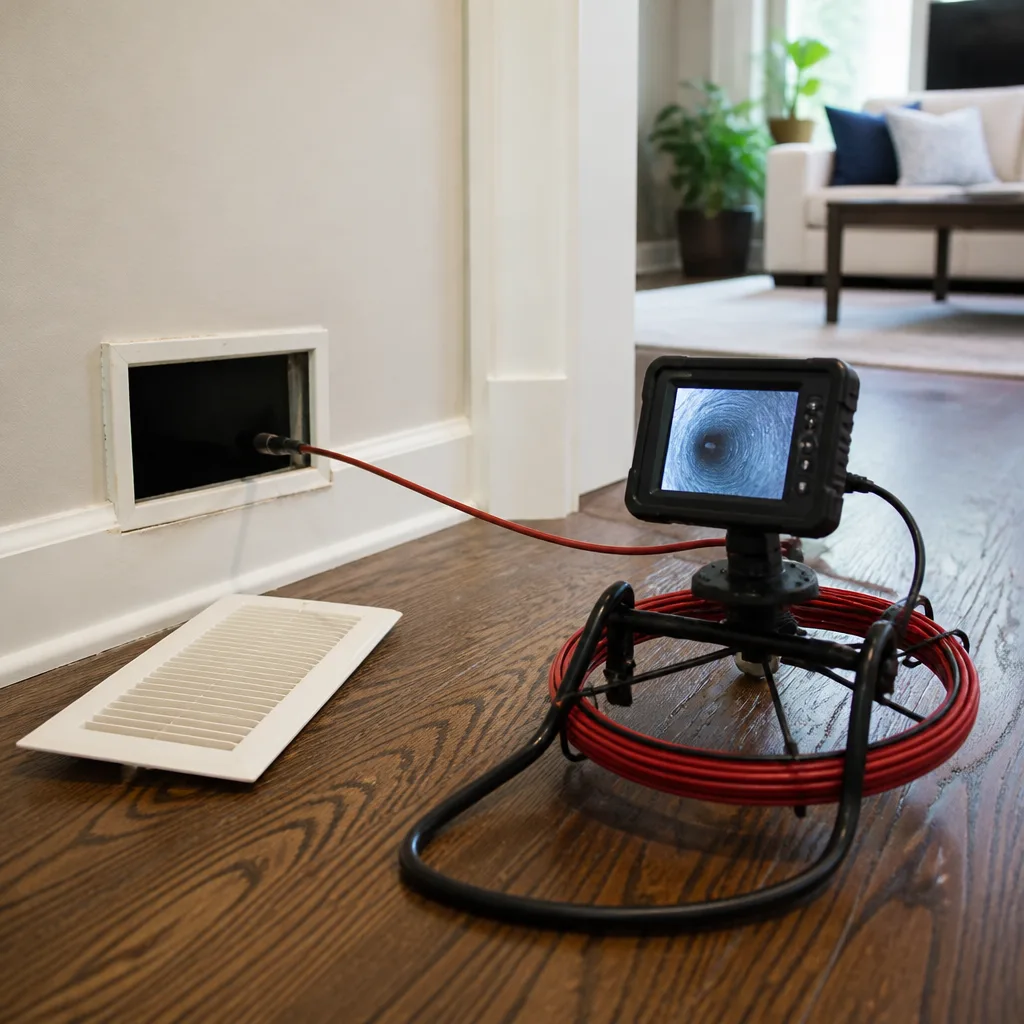 Camera inspection
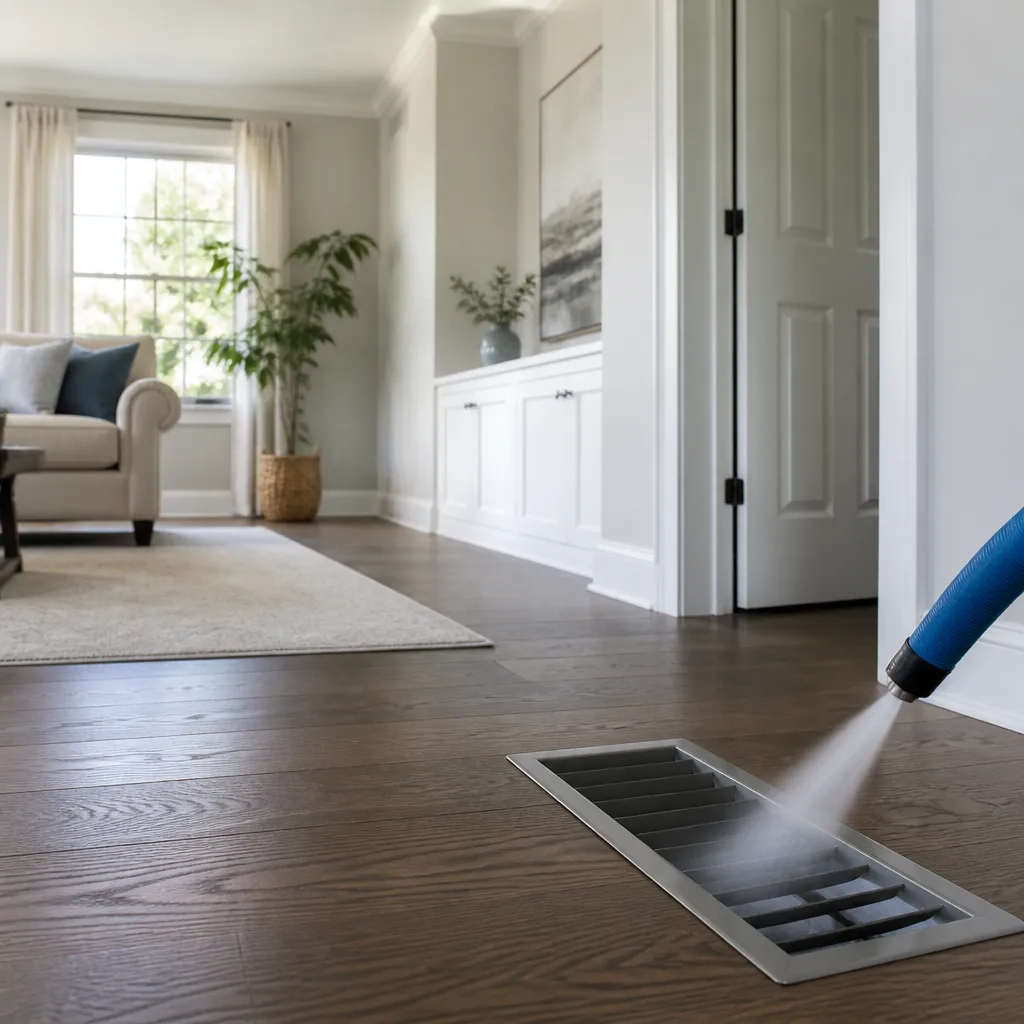 Sanitizing & deodorizing
Whole-system duct and dryer vent check with before-and-after photos - you see exactly what came out of your vents
That "$99 whole-house special" is a bait ad - the real number appears once they are in your hallway, or the "clean" is a shop-vac at the register. We photograph the inside of your ducts before and after instead.
The Complete Guide to Air Duct Cleaning in Layton
Most people assume duct cleaning is either obviously necessary or obviously a scam. The truth sits in a narrow middle that hardly anyone explains. A shop-vac hose reaches about 8 feet into a duct. Many duct runs in Layton homes stretch 20 to 40 feet. That gap is exactly where low-bid cleanings stop, and it’s why two quotes for the “same job” can differ by hundreds of dollars. This guide walks you through what a thorough cleaning actually requires, from the first camera inspection to the post-job verification, so you can judge the work rather than the sticker price.
Quick Answer
Air duct cleaning in Layton means removing settled dust, debris and biological buildup from the inside of your duct system using professional negative-air equipment and contact cleaning tools, then verifying the result with before-and-after documentation. A legitimate job includes a camera inspection, whole-system pricing agreed before work starts, HEPA-rated vacuum extraction and a sanitizing step. It is not a truck-mounted vacuum waved at your return registers for twenty minutes.
Styles & brands we work with
- Whole-home duct cleaning
- Dryer vent cleaning
- Camera inspection
- Sanitizing & deodorizing
Table of Contents
- Why Layton’s Air Quality Makes Duct Cleaning Different
- What a Professional Duct Cleaning Actually Involves
- What Inspection Documentation Should Look Like
- How Your Duct Design Affects the Cleaning Method
- How Much Does Air Duct Cleaning Cost in Layton?
- Red Flags Specific to Layton-Area Contractors
- The Full Air Pathway: Beyond the Ducts
- How to Confirm the Work Was Actually Done
Why Layton’s Air Quality Makes Duct Cleaning Different
Layton sits in the Wasatch Front valley, tucked between the Great Salt Lake to the west and the Wasatch Range to the east. That geography traps air. On still winter days, temperature inversions hold a layer of cold, dense air near the ground and cap it, so particulates from vehicles, wood smoke and industry can’t disperse. During those stretches, PM2.5 readings across Davis County climb well above what residents of higher-elevation Utah towns breathe. Your home’s HVAC system pulls that air in, filters what it can catch and distributes the rest through the ducts.
This matters because duct contamination in Layton isn’t a one-time accumulation. It builds in layers, tied to the season. A house near the Layton Hills area that runs its furnace hard through January gathers a different load than a home near Adams Canyon that sees more wind-driven dust in spring. We’ve seen both patterns. The practical point: cleaning frequency and cleaning method should account for what the system is actually pulling in, not a generic “every three to five years” rule applied to every house on the block.
Elevation plays a role too. Layton sits around 4,300 feet, and the thinner air at that height changes how a furnace blower performs against static pressure. Ducts that are undersized or partially blocked push the blower to work harder, which pulls more dust past the filter. If your filter is loading up faster than it should, restricted ducts are one of the first things to check. That’s part of what a proper air duct cleaning visit uncovers.
- Winter inversions: trapped PM2.5 settles into homes through returns and fresh-air intakes.
- Spring wind events: canyon winds carry fine mineral dust that bypasses standard filters.
- Summer smoke: regional wildfire smoke enters the same pathway and coats duct walls with sticky residue.
- Elevation effect: thinner air and higher static pressure mean a dirtier system works noticeably harder.
None of this means every Layton home needs annual cleaning. It means the decision should be based on an inspection of your specific system, not a calendar.
What a Professional Duct Cleaning Actually Involves
A thorough cleaning is a source-removal job, not a surface wipe. The goal is to pull contaminants out of the system and contain them so they don’t redistribute into your living space. Low-bid crews usually do neither. Here’s the sequence a professional job follows.
- Full system walk-through. Every supply and return register is located, counted and recorded. The technician maps the trunk-and-branch layout and identifies any inaccessible runs.
- Camera inspection. A push camera goes into the main trunk and several branch runs to document existing conditions before any cleaning starts. This footage establishes a baseline.
- Negative-air setup. A HEPA-rated vacuum is connected to the main trunk, and the system is put under negative pressure so everything loosened downstream gets captured rather than pushed into rooms. Abatement Technologies equipment is designed specifically for this containment role.
- Contact cleaning. Rotary brushes and air whips travel the length of each run, scrubbing duct walls. Rotobrush contact-cleaning tools are the standard here. This is the step low-bid crews skip entirely because it takes time.
- Register and grille cleaning. Supply diffusers and return grilles are removed, washed and reinstalled. The boots connecting duct to floor or wall are cleaned by hand.
- Sanitizing. An EPA-registered sanitizer is applied to duct interior surfaces. Guardsman-line products are part of our process because they leave a finish standard rather than a blow-and-go result.
- Post-cleaning verification. The camera goes back in. After photos are taken at the same points as the before photos, and the system is run to confirm airflow.
That’s roughly three to five hours of work for an average Layton home, depending on system size and how many runs are involved. If a crew finishes in under an hour, they did not clean your ducts. They cleaned your registers.
What Inspection Documentation Should Look Like
Documentation is what separates verifiable work from a claim you have to take on faith. Before any cleaning begins, you should see camera footage of the inside of your ducts, and you should see it on a screen, not have it described to you verbally. Ask where the contamination is heaviest and why. A technician who knows the system can tell you.
After the job, the same camera should go back to the same locations. Side-by-side before-and-after photos of your own ducts, not stock photos of someone else’s system, are the baseline. If a contractor can’t produce them, the work wasn’t documented, and you have no way to confirm it happened.
- Before: camera footage of main trunk and a minimum of three branch runs, with location labels.
- Before: photos of each register and grille in place.
- After: photos of the same registers, removed and cleaned.
- After: camera footage at the same points, same angles, for direct comparison.
- Written summary: what was found, what was cleaned, and any runs that could not be reached.
In our experience, the after-inspection also turns up information the customer didn’t ask for but needed: a disconnected flex run behind a knee wall, or a boot that was never sealed to the subfloor. Those findings belong in the summary, not buried in a verbal handoff.
How Your Duct Design Affects the Cleaning Method
Not every duct system cleans the same way. Two houses on the same street in Layton can have entirely different duct layouts, and the equipment has to match the design.
Flex duct versus rigid duct
Flexible duct is a corrugated plastic sleeve, usually silver on the outside with a wire helix inside. It’s common in newer construction and in retrofit work. It cleans well with a soft rotary brush and controlled air pressure, but aggressive equipment can tear the liner. Rigid galvanized duct is sheet metal, often decades old, and it takes a firmer rotary brush. A contractor who brings one tool to both jobs is going to over-clean the flex and under-clean the rigid.
Trunk-and-branch versus radial layout
Trunk-and-branch systems have a large main duct that feeds smaller branches to each room. Radial systems run individual ducts directly from a central plenum. The trunk-and-branch layout needs a camera run down the trunk first to confirm there are no crushed sections or disconnected joints, since the branches feed from it. Radial systems have more individual runs, which means more registers and a longer job, but each run is simpler to clean.
What design tells you about a quote
If a contractor quotes you a price per vent over the phone without seeing your system, they haven’t accounted for any of this. A flat per-vent price assumes every duct is identical. It isn’t. A written estimate after a walk-through is the only way to price the job honestly.
How Much Does Air Duct Cleaning Cost in Layton?
Air duct cleaning in Layton typically runs $400 to $900 for a whole-house system, with the written estimate setting the final price. That range covers professional-grade equipment, camera inspection, contact cleaning and post-job verification. A single-story home with a small trunk-and-branch system sits near the low end; a larger two-story with multiple zones and a full sanitizing step sits near the high end.
| Service | Typical estimated range | What drives the price |
|---|---|---|
| Whole-house duct cleaning | $400 – $900 | System size, number of runs, accessibility |
| Duct cleaning with sanitizing | $550 – $1,100 | Square footage of duct interior, product used |
| Duct repair and sealing | $300 – $800 | Number of disconnected or leaking joints |
| Dryer vent cleaning | $120 – $250 | Vent length, number of elbows, roof or wall termination |
| HVAC unit cleaning | $200 – $500 | Coil condition, blower accessibility |
Those are estimates, not quotes. Elevation and layout can push a job either direction. The written estimate you receive after the walk-through is the price you pay.
Why are some Layton quotes so much cheaper?
Because they’re pricing a different job. A $99 or $149 offer usually covers register wiping and a vacuum at the main return, not contact cleaning of the duct runs. There’s no camera inspection, no negative-air containment and no sanitizing. The price reflects twenty minutes of labor with a shop-vac, and once the technician is in your house, the additional charges start appearing. One flat price per system, agreed before work starts, is the answer to that. Call (833) 754-7579 for an exact quote. Estimates are free.
Red Flags Specific to Layton-Area Contractors
Duct cleaning has a bad reputation for a reason: the industry has a low bar to entry, and some operators exploit the information gap between what you can see and what’s actually happening inside the ducts. These are the warning signs worth taking seriously.
- Vague scope quotes. “We’ll clean your ducts” tells you nothing. A real quote specifies the number of runs, the equipment being used and whether sanitizing is included. Ask for it in writing.
- No camera inspection. If nobody puts a camera in your ducts before quoting or cleaning, they’re guessing. Push-camera inspection is standard practice, and its absence is the clearest sign of a low-bid operation.
- Per-vent pricing without a walk-through. A price per register quoted over the phone can’t account for your duct design. It’s a number designed to get a foot in the door, not to price the job.
- No before-and-after documentation offered. If a contractor doesn’t mention photos or camera footage, ask. If they can’t provide it, that tells you something.
- Coupon pricing that shifts on arrival. A low advertised price that becomes a much larger invoice once the technician is in your home is the most common complaint in this trade. One flat price per system, agreed upfront, is how it should work.
- Equipment visible is consumer-grade. A shop-vac and a length of hose is not a duct cleaning system. Professional work involves negative-air HEPA extraction and rotary contact tools.
- No sanitizing step in the scope. Cleaning without sanitizing leaves the biological load from a dirty duct system intact on already-cleaned surfaces.
None of these are Layton-specific in isolation, but they show up more often in a market with plenty of generalist handymen and low-bid crews. Ask direct questions before you book.
The Full Air Pathway: Beyond the Ducts
The ducts are one component of a connected system. The air handler, the blower, the coils, the return path and the exhausts all move the same air. Cleaning one without the others leaves contamination to redistribute by the next run cycle. This is why we treat duct cleaning as part of a full air pathway rather than a standalone task.
HVAC cleaning
The air handler and evaporator coil are where the air spends the most time in contact with a surface. A dirty coil reduces cooling efficiency and holds moisture that feeds biological growth. HVAC cleaning is done alongside duct work so the system isn’t blowing through a dirty coil into clean ducts.
Dryer vent cleaning
The dryer vent is the other exhaust path in your home, and it’s a fire-safety component as much as an efficiency one. Lint accumulates in the vent run and around the termination, and it’s highly combustible. Dryer vent cleaning removes that accumulation. Roof terminations and long runs with multiple elbows are the ones most likely to have restricted flow, and the ones most worth clearing.
Duct repair and sealing
Leaky joints, disconnected flex runs and crushed sections are common in Layton homes that have been through a remodel or a furnace replacement. Every disconnected joint pulls air from an unconditioned space (a crawlspace, an attic, or a garage) into your living space. Sealing those joints is often the highest-impact improvement on a system’s performance, and it costs less than most people expect.
Air quality products
For homes where the filter isn’t enough, we install and service Honeywell and Aprilaire systems, including media filters, humidity control and fresh-air ventilation. These aren’t gimmicks. They’re the same filtration and humidity standards that commercial buildings use, scaled to a residential system. If your home tends to run dry in winter or you’re sensitive to the fine dust that inversion days push in, a properly specified air quality product makes a measurable difference.
How to Confirm the Work Was Actually Done
Verification is where the industry’s trust gap closes. The honest answer is: you shouldn’t have to take anyone’s word for it. Before-and-after camera footage at the same points in your duct system is the standard, and so are photos of your registers.
- Request the before-inspection footage. It should be captured before any tool goes in.
- Confirm the post-job footage is at the same locations. Same angles and same points, taken after cleaning.
- Inspect your own registers. Removed, washed and reinstalled diffusers will look noticeably different from the moment the technician arrived.
- Check airflow. Run the system after the job and note airflow at each room. It should be at least as strong, and often stronger where a disconnected or crushed run was found.
- Read the written summary. It should list what was cleaned, what was found during inspection and any runs that couldn’t be reached.
If a contractor can’t produce these items, they didn’t do the work to a standard you can verify. That’s the whole test.
Common Mistakes to Avoid
- Booking the cheapest quote without asking about equipment. A low price is a statement about what’s being done, not a discount on the same job. Ask what vacuum and contact tools they use before you book.
- Assuming all ducts are the same. Flex and rigid duct take different tools, and trunk-and-branch layouts cost more to clean than radial. A per-vent price ignores both.
- Skipping the camera inspection. A cleaning without a before inspection can’t reveal disconnected runs, crushed sections or the real source of the contamination.
- Cleaning the ducts without cleaning the air handler. A dirty coil blows contamination straight back into the ducts you just cleaned. Clean both, or the job doesn’t hold.
- Ignoring the dryer vent. It’s part of the same home air pathway and a genuine fire risk. If you’re scheduling duct work, schedule this too.
- Assuming inversion season is the only time to act. Layton’s spring canyon winds and summer smoke load the system too. The right timing depends on your system, not the season.
- Accepting a verbal scope. If the scope isn’t written, it doesn’t exist. One flat price per system, agreed before work starts, in writing.
See the difference
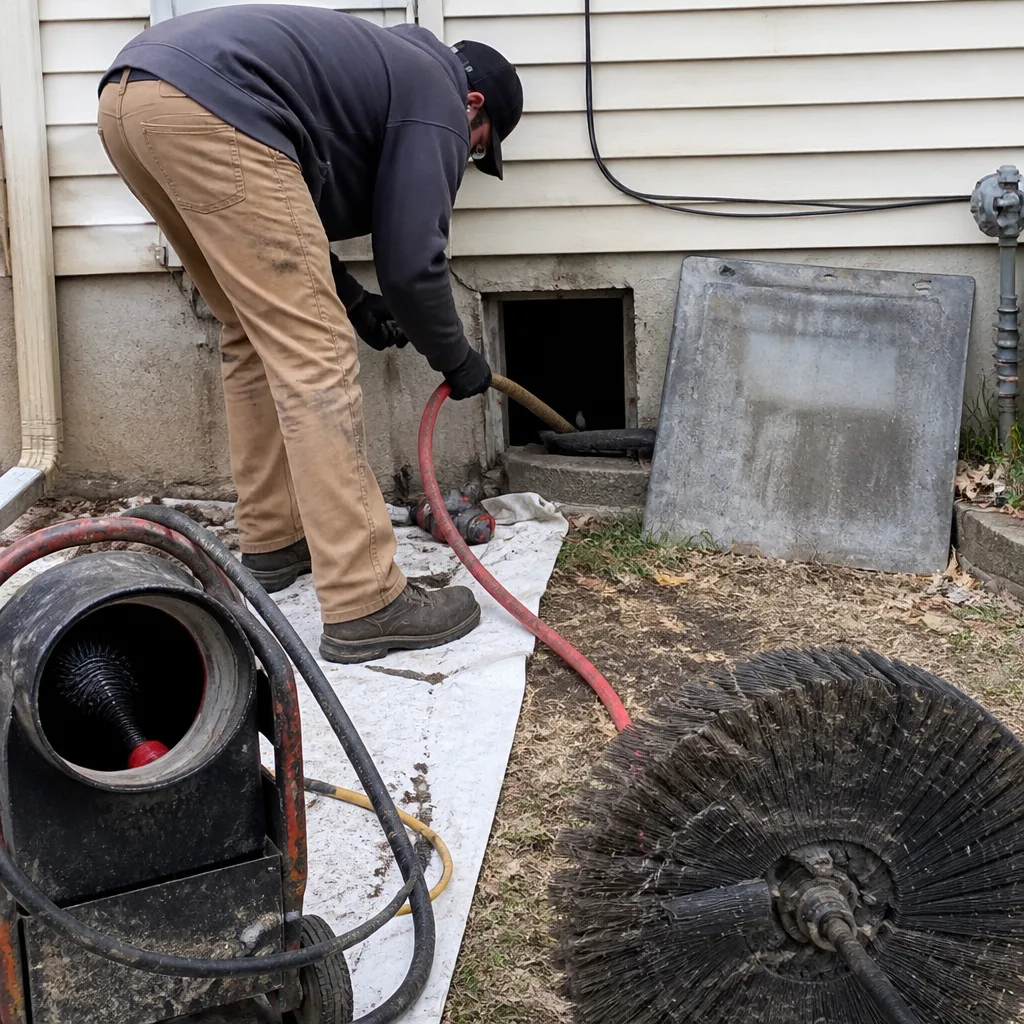 Before
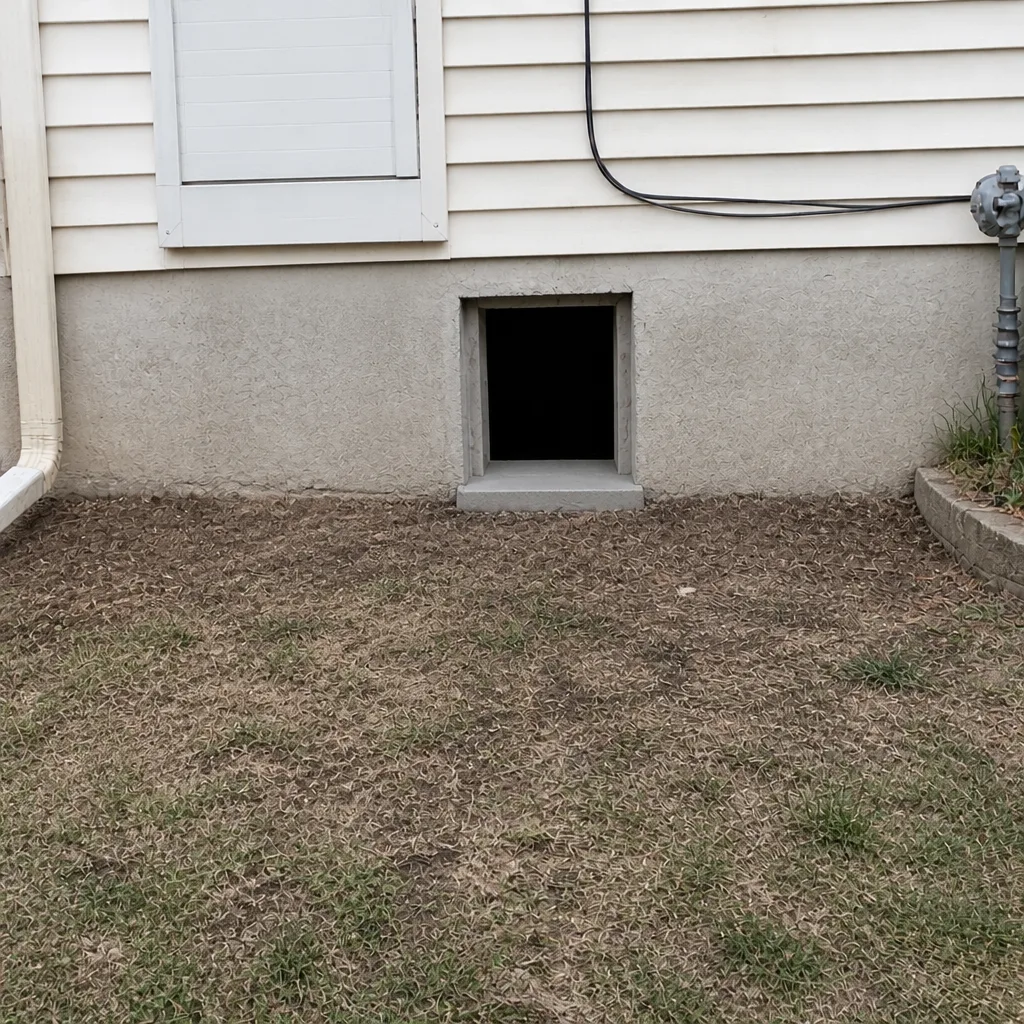 After
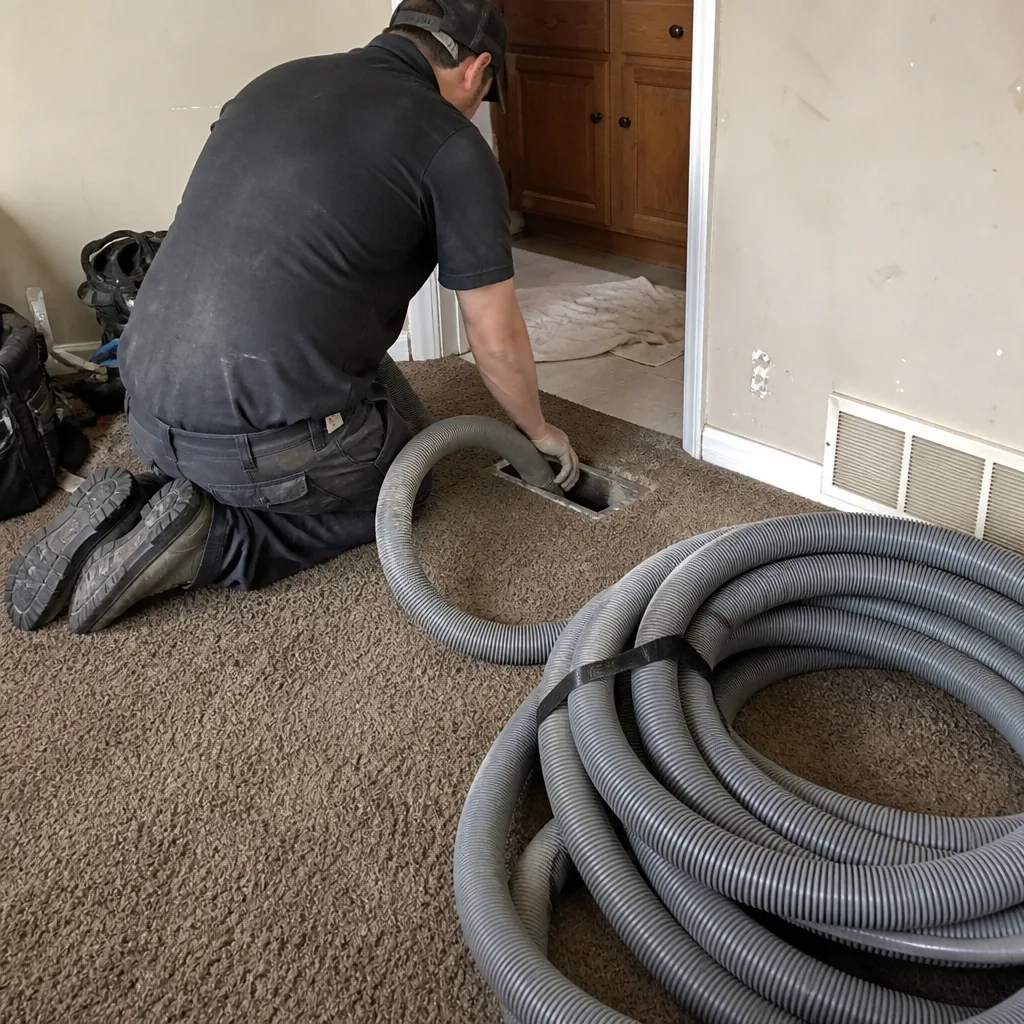 Before
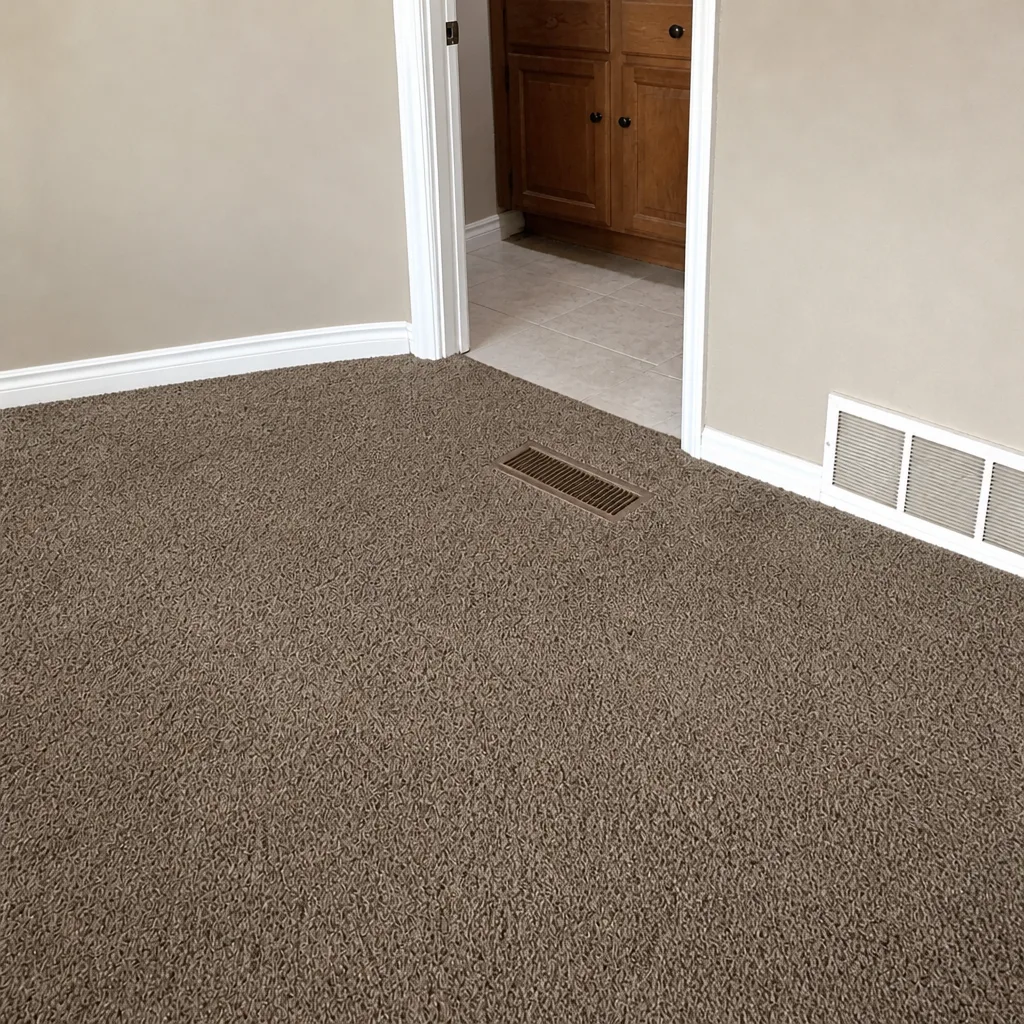 After
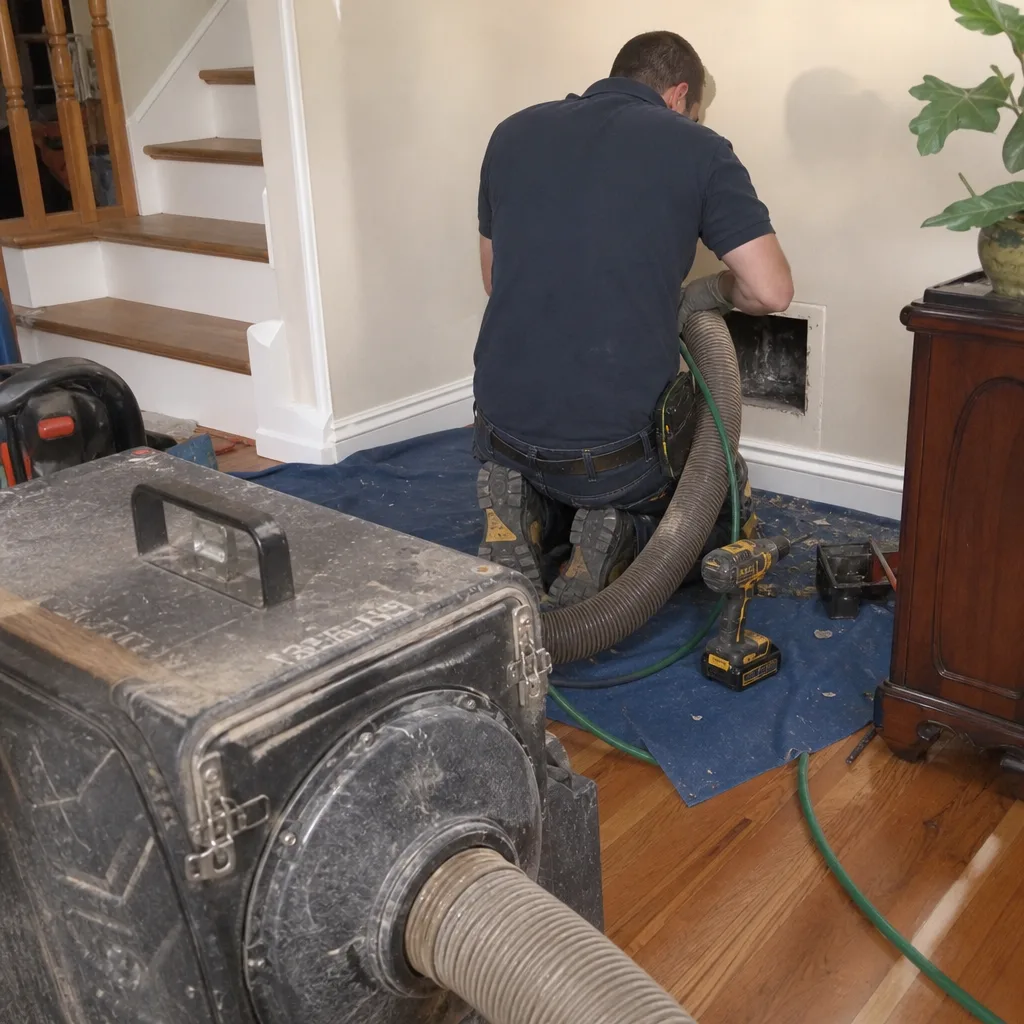 Before
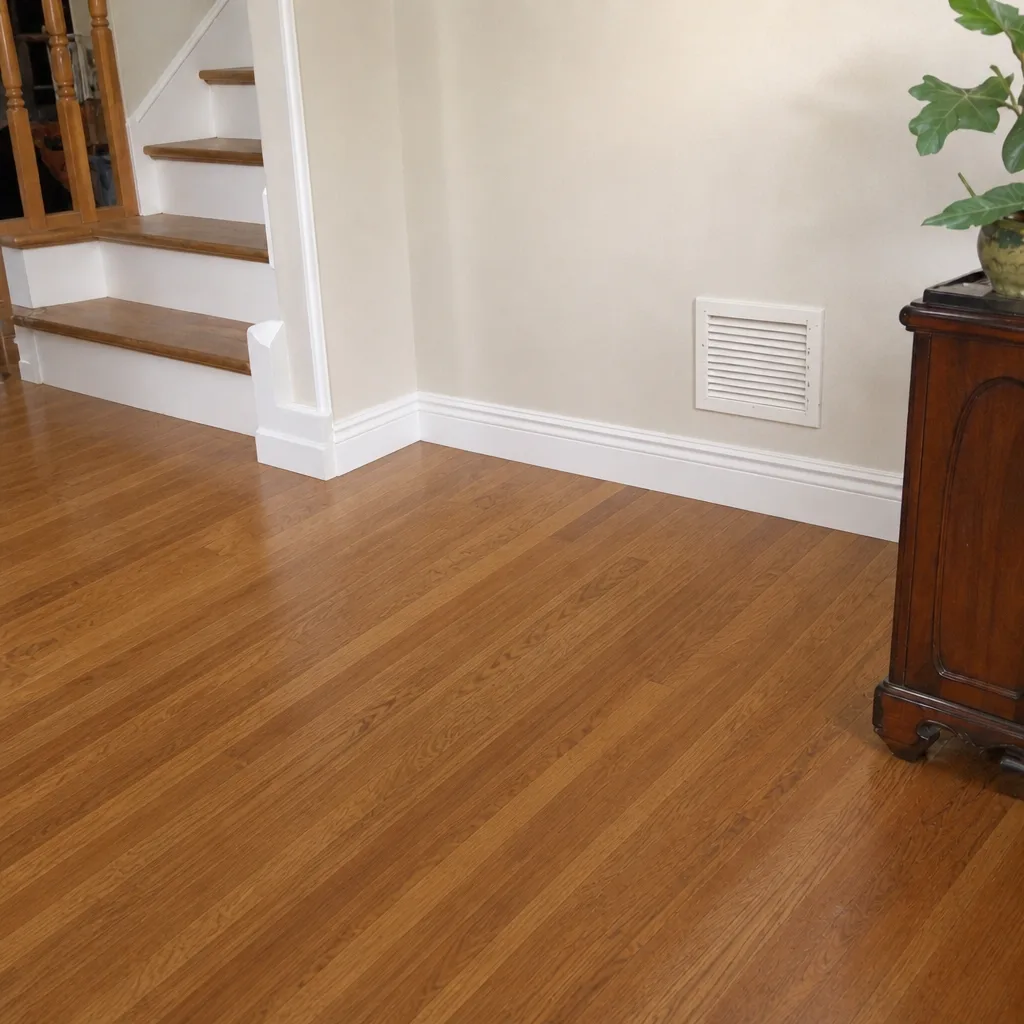 After
When to Call a Professional
Some situations clearly call for a professional visit rather than a wait-and-see approach. If you’ve just finished a renovation and drywall dust is everywhere, the ducts need cleaning before you run the system again. If a household member has allergies or asthma that have gotten worse at home, or if a new baby has arrived, the indoor air pathway deserves an inspection. If you’ve recently replaced a furnace or had HVAC work done, duct cleaning and joint inspection should follow. If you notice visible debris at registers, uneven airflow between rooms, or musty odors when the system runs, those are signs of buildup rather than surface dust. If a dryer is taking two cycles to dry a load, the vent is restricted.
Layton Air Duct Cleaning offers free estimates in Layton. Call (833) 754-7579. We answer 24/7. Fast dispatch from 7am to 7pm, Sunday through Friday.
Frequently Asked Questions
Most Layton homes need professional duct cleaning every three to five years, but the actual interval depends on what your system is pulling in and whether you’ve had a renovation, a pet, or a household member with respiratory sensitivity. Homes near canyon wind corridors or with pets often need it more often. The only reliable way to know is a camera inspection; call (833) 754-7579 for an exact quote, and estimates are free.
Whole-house air duct cleaning in Layton typically runs $400 to $900, depending on system size, number of runs and whether sanitizing is included. Larger homes or systems with duct repair needs sit at the upper end. Those are estimates; the written estimate is the price. Call (833) 754-7579 for an exact quote, and estimates are free.
Because they’re pricing a smaller job, not the same job at a lower margin. Cheap quotes usually cover register wiping and a vacuum at the return, with no camera inspection, no negative-air containment and no contact cleaning of the duct runs. Once the technician is on-site, the price can change. One flat price per system, agreed before work starts, is how a legitimate quote works. Call (833) 754-7579 for an exact quote.
You’ll see before-and-after camera footage of your own ducts at the same inspection points, plus photos of your registers. That documentation is standard on every professional job and it’s what we provide. If a contractor can’t produce it, the work wasn’t verified. Call (833) 754-7579 for an exact quote, and estimates are free.
Yes. The Wasatch Front’s winter inversions trap PM2.5 near the ground, and the canyon winds that come through in spring carry fine mineral dust. Both enter your HVAC system through returns and fresh-air intakes, and both accumulate in ductwork. Homes in Layton tend to accumulate contamination faster during inversion-heavy winters than homes in higher-elevation Utah towns. Call (833) 754-7579 for an exact quote.
Yes. Dryer vents are part of the same home air pathway and a fire-safety component. Lint buildup in the vent run restricts airflow and is combustible. Long runs with multiple elbows and roof terminations are the most likely to need attention. It’s worth booking alongside duct work. Call (833) 754-7579 for an exact quote, and estimates are free.
The Bottom Line
A thorough duct cleaning in Layton is a documented, equipment-heavy process: camera inspection before and after, HEPA-rated negative-air containment, rotary contact cleaning of every reachable run, a sanitizing step and photos at the end. The cheapest quote usually skips most of that. The right way to judge a contractor is to ask what equipment they use, what the scope covers and whether you’ll see the before and after. If you’re ready to have your own system looked at, Layton Air Duct Cleaning provides free estimates. One flat price per system, agreed before work starts. Call (833) 754-7579. We answer 24/7. Fast dispatch from 7am to 7pm, Sunday through Friday. Our technicians have up to 9 years of experience, and they’ll walk you through the full scope of HVAC cleaning and duct work before anyone touches a register.
Written by the team at Layton Air Duct Cleaning.