
Last updated November 25, 2026
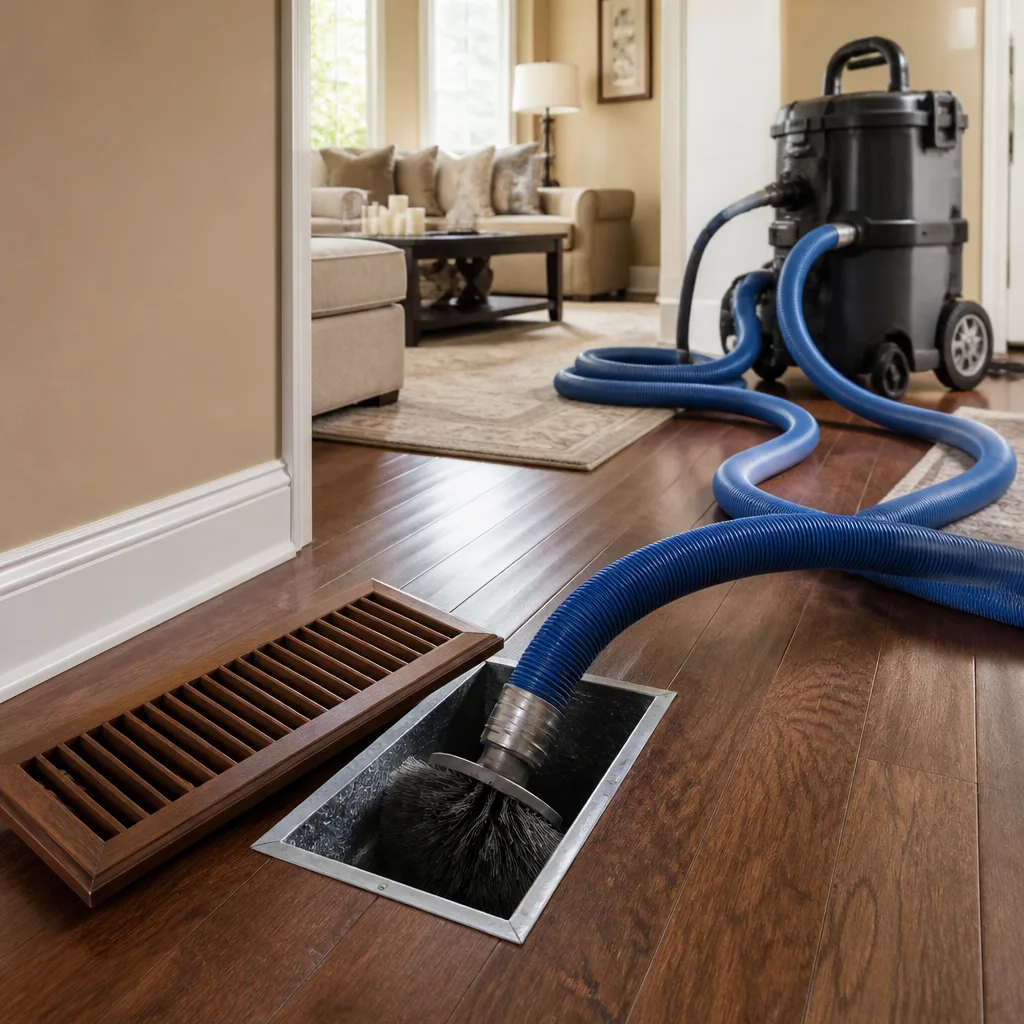 Whole-home duct cleaning
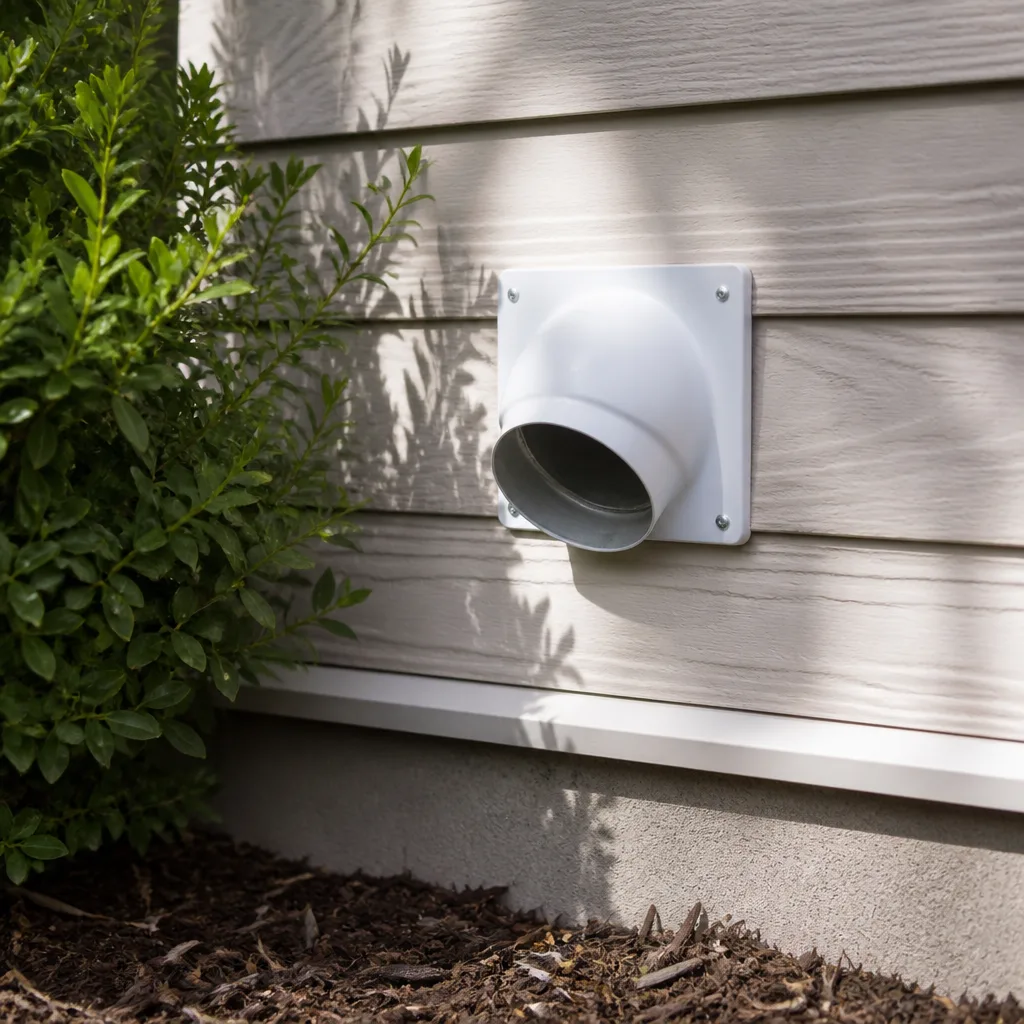 Dryer vent cleaning
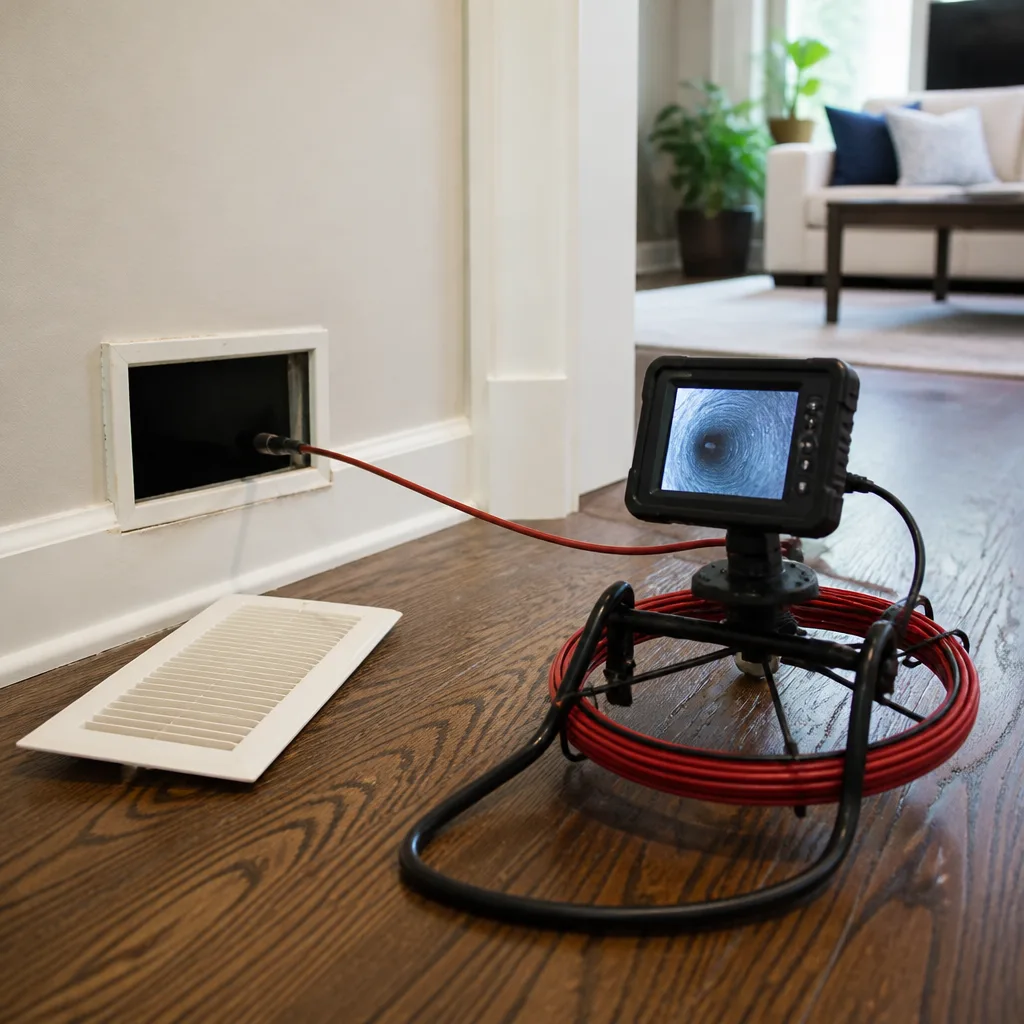 Camera inspection
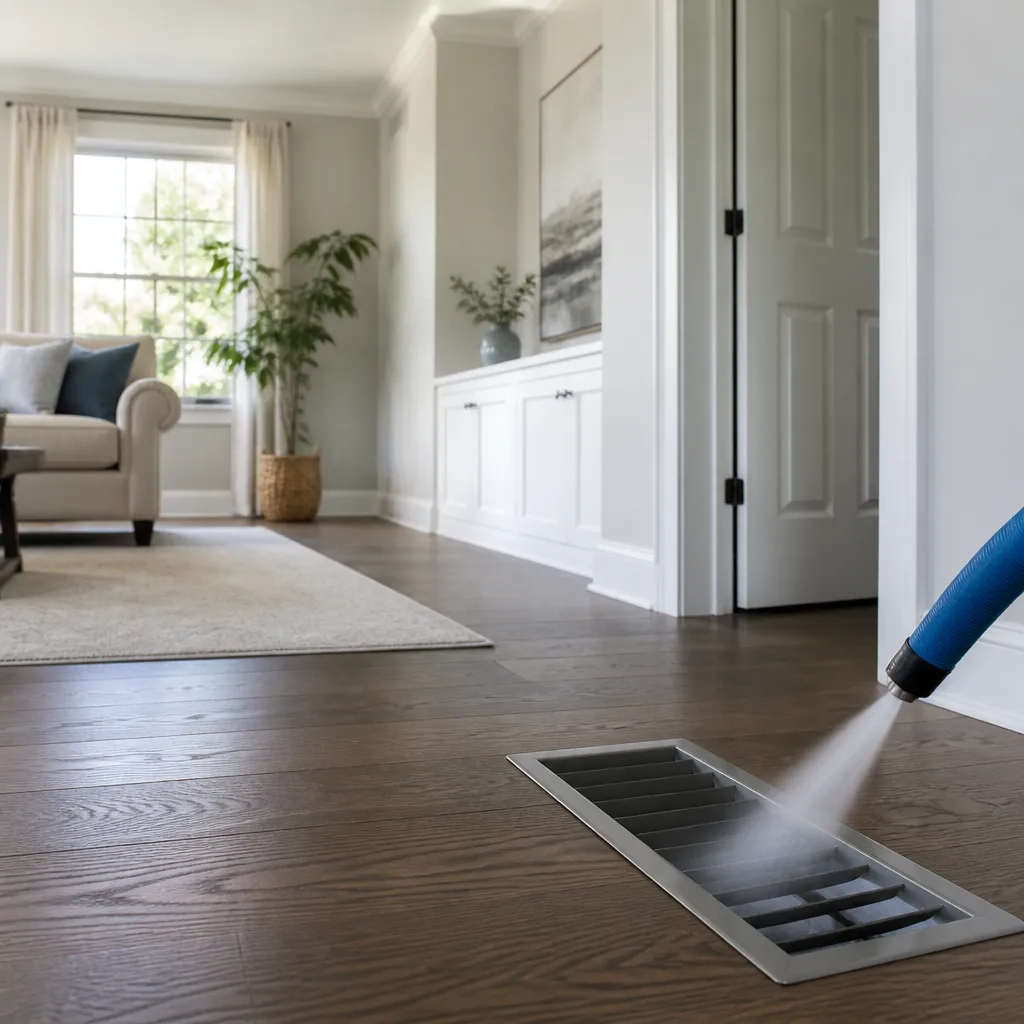 Sanitizing & deodorizing
Whole-system duct and dryer vent check with before-and-after photos - you see exactly what came out of your vents
That "$99 whole-house special" is a bait ad - the real number appears once they are in your hallway, or the "clean" is a shop-vac at the register. We photograph the inside of your ducts before and after instead.
Air Duct Cleaning Permits, Codes & Inspections in Layton, UT: What You Need to Know
Most homeowners in Layton assume air duct cleaning is a no-permit, no-paperwork job. That’s true for pure cleaning. But it stops being true the moment a contractor cuts a new access panel, reconnects a trunk line, or seals a joint in an older home where the ducts sit wrapped in suspect insulation. Utah’s construction code doesn’t regulate the vacuuming; it regulates the construction. That distinction trips up homeowners and, frankly, some contractors who should know better.
This guide draws the line clearly: what needs a permit in Layton, what doesn’t, when to call the building department before work starts, what the Indoor Clean Air Act does and doesn’t cover, and how to protect yourself if a technician does more than clean. If you’re booking air duct cleaning and want to know whether your project crosses into permitted territory, read on.
Quick Answer
Air duct cleaning alone does not require a permit in Layton, Utah, because it’s maintenance rather than construction. A permit is generally required only when the work alters the duct system itself: new duct runs, relocated or resized trunk lines, new access panels cut into structural framing, or any change tied to an HVAC modification. In pre-1980 Layton homes, any work that disturbs duct insulation or surrounding building materials should be preceded by an asbestos assessment before a technician touches it.
Styles & brands we work with
- Whole-home duct cleaning
- Dryer vent cleaning
- Camera inspection
- Sanitizing & deodorizing
Table of Contents
- Why Air Duct Cleaning Sits in a Regulatory Gray Zone in Utah
- What the Utah State Construction Code Actually Covers
- Layton City and Davis County: Which Department Do You Call?
- Pre-1980 Homes in Layton: The Asbestos Question Nobody Asks
- What Utah’s Indoor Clean Air Act Does and Doesn’t Cover
- Do You Need an Inspection After Duct Work?
- How to Protect Yourself If Work Goes Beyond Cleaning
- Common Mistakes to Avoid
Why Air Duct Cleaning Sits in a Regulatory Gray Zone in Utah
Here’s the counterintuitive part: “air duct cleaning” isn’t a defined legal category in Utah’s building code. There’s no line item that says duct cleaning requires a permit. What the code regulates is construction and alteration of mechanical systems. So whether your project needs a permit depends entirely on what a technician actually does once they’re on site, not on what the invoice calls it.
That’s the gray zone. A thorough cleaning that pulls debris from existing ducts with negative-air containment and a HEPA vacuum doesn’t touch the building’s structure. It’s maintenance, similar to having your furnace serviced. But a job that cuts a new access port into a return plenum, replaces a section of flexible duct that’s collapsed, or reconnects a boot that’s separated from its register is now repair work, and repair work lives inside the code.
We’ve seen homeowners in Layton book what they thought was a routine cleaning and end up with a bigger scope mid-job, without any conversation about permits or inspectors. The contractor wasn’t necessarily being dishonest; they just didn’t see the line. The homeowner paid the price in liability if something went wrong later.
What you should know before you book:
- Cleaning an existing, intact duct system is maintenance and typically needs no permit in Layton.
- Cutting new access into structural framing, altering duct sizing, or adding new runs is code territory.
- Duct repair that involves sealing, replacing, or reconnecting sections may require a permit depending on the scope.
- “No permit needed” is a claim to verify with the jurisdiction, not to take on faith from a contractor.
One more thing: the equipment matters here too. A shop-vac and a brush can’t safely handle a complex duct system, and the more a technician improvises, the more likely they push into repair territory without the paperwork. Professional-grade systems like Rotobrush contact cleaning and Nikro HEPA extraction are designed to work within the duct, not around it.
What the Utah State Construction Code Actually Covers
Utah adopts the International Residential Code and International Mechanical Code with state amendments, and local jurisdictions like Layton enforce them. The mechanical code governs the design, installation, and alteration of duct systems. It sets requirements for duct sizing, materials, sealing, support, clearances, and combustion air. When we clean a duct system in a Layton home, the system should already meet those requirements. When we repair or alter one, those requirements come into play again.
What the state code does not do is require a permit for routine cleaning and maintenance. Most jurisdictions treat cleaning like they treat filter changes or coil cleaning: it’s a service, not a construction activity. The code also doesn’t require a licensed contractor for cleaning alone, though many homeowners wisely choose one anyway.
Where the code kicks in:
- New duct installation or extension – adding a run to an unconditioned space or extending a trunk line into a new room requires a permit and inspection in Layton.
- Duct system alterations – resizing, relocating, or reworking a plenum is code-regulated work.
- Duct sealing that changes system performance – mastic-sealing a system that was previously leaking heavily can affect combustion air and pressure balance, so it falls into mechanical code review.
- Connections to HVAC equipment – any work involving the air handler, furnace, or coil cabinet that requires opening the mechanical system often triggers a permit.
We partner with recognized product lines like Honeywell and Aprilaire when a job calls for filtration or humidity upgrades, and that’s exactly the type of work where permit questions come up most often. A filter cabinet swap is usually fine. A new ducted dehumidifier install is a mechanical project.
Layton City and Davis County: Which Department Do You Call?
Layton has its own building department that issues permits and performs inspections for residential and commercial construction inside city limits. Davis County administers certain health-related programs, and the state handles others, but for building permits, the Layton City Building Department is your first call. If your property sits in unincorporated Davis County near Layton, the county’s building division handles it.
The practical question isn’t “is my duct cleaning permitted?” because it isn’t. The practical question is “does the work being done cross into permit territory?” and if you’re not sure, calling the building department before work starts costs you nothing and settles it in one conversation.
How to protect yourself with one phone call:
- Ask the contractor what they plan to do beyond cleaning. Written scope, not a verbal “we’ll take a look.”
- If the scope includes any cutting, sealing, replacement, or reconnection, ask who pulls the permit.
- Call the Layton City Building Department and describe the scope in plain terms.
- Get the answer in writing, even if it’s just an email confirming no permit is required.
If the contractor can’t answer clearly, that’s your signal. We work in Layton and surrounding Davis County communities, and we draw the line clearly on every estimate so you know which side of it you’re on.
Pre-1980 Homes in Layton: The Asbestos Question Nobody Asks
Many Layton homes built before 1980 contain materials that were installed when asbestos use was still common in building products. Duct wrap, duct tape with a paper backing, certain joint compounds, and some insulation products from that era can contain asbestos. Here’s the part that matters: the asbestos isn’t usually disturbed by a vacuum. A good HEPA system doesn’t put it into the air. It gets disturbed when a technician cuts, pulls, scrapes, or tears the surrounding material.
That means the riskiest moment in a pre-1980 Layton duct job isn’t the cleaning. It’s the repair. If a contractor cuts a new access panel into an insulated chase and the insulation is friable or asbestos-containing, they may have created a hazard that neither they nor the homeowner intended.
What we recommend for older Layton homes:
- Ask the contractor what they know about the home’s build year before quoting the job.
- If the home predates 1980 and any cutting or mechanical disturbance is planned, have the material assessed first.
- Use containment and negative-air equipment (Abatement Technologies systems are built for this) for any job where debris or dust will be released.
- Keep “assessment first” as a rule, not a suggestion.
This is why we run full containment on pre-1980 jobs even when nothing is expected to be found. The cost of a proper setup is small. The cost of a disturbed asbestos-containing material in a duct chase is very much not.
What Utah’s Indoor Clean Air Act Does and Doesn’t Cover
Utah’s Indoor Clean Air Act is primarily a public-health statute about secondhand smoke in indoor public places and workplaces. It restricts smoking in enclosed public spaces and places limits on smoking near building entrances. It does not regulate residential construction, duct cleaning, or residential air quality maintenance. So if a contractor tells you their work is “compliant with the Indoor Clean Air Act,” that’s technically true of everything done in a home, and it’s not a meaningful credential.
What actually governs residential duct work in Layton:
- The Utah State Construction Code and the adopted mechanical code for any construction-related work.
- Federal EPA rules for asbestos handling if friable material is present.
- Layton City building permits and inspections for altered duct systems.
- The homeowner’s own written scope and contract with the contractor.
That’s it. There’s no state certification for duct cleaning, and Utah doesn’t require licensing for cleaning alone. The Indoor Clean Air Act isn’t the protection you’re looking for, and it’s not a credential a technician should lead with. When we quote HVAC cleaning in Layton, we’re specific about what code applies and what doesn’t, rather than leaning on statutes that don’t touch residential duct work.
Do You Need an Inspection After Duct Work?
After cleaning alone, no inspection is required in Layton. After repair or alteration work that required a permit, yes: the permitting jurisdiction inspects the work. This is where some contractors fall short. They skip the permit and therefore skip the inspection, and the homeowner ends up with an altered duct system that has never been looked at by anyone with code enforcement authority.
What an inspection covers depends on what was permitted. Generally, the inspector verifies that the duct system was installed per the approved plan, that sealing and support meet code, and that mechanical clearances are intact. That inspection is your evidence that the work conforms, and it stays in the property record.
What you should ask for after any duct-related work in Layton:
- A written scope describing exactly what was done (not “cleaned duct system”).
- Photos before and after, showing the interior of the ducts, key connections, and any repairs.
- If a permit was pulled, the inspector’s final sign-off.
- If no permit was required, a note from the contractor confirming the scope stayed within cleaning and non-altering maintenance.
Before-and-after photos of your own ducts are the single most useful documentation, and they’re the standard we work to. Any contractor who won’t provide them is telling you something about their confidence in the job.
How to Protect Yourself If Work Goes Beyond Cleaning
The most common scenario: a homeowner books air duct cleaning and, once the technician is on site, gets told the job actually needs duct repair, sealing, or an additional install. That’s fine as a recommendation. It’s not fine if the extra work happens without a written estimate, a permit where required, or the homeowner’s informed consent.
Your protection comes down to three habits:
- Demand a written scope before the technician starts. Two scopes if there’s a cleaning phase and a repair phase. Never let a verbal “we’ll take a look and see” turn into an invoice.
- One flat price per system, agreed before work starts. That’s how we work in Layton: the price is set per job by the written estimate, so there’s no per-vent meter running and no surprise escalation.
- Know the permit boundary. If the scope changes into repair or installation territory, work should stop until a permit is discussed and pulled if required.
We recommend before-and-after photos on every job, and we can work with your insurer if a scope change turns into an insurance question. What we don’t do is pretend a repair is a cleaning. If a duct system has a serious separation or water intrusion damage, saying so plainly is the only honest option, even when it costs us the simple call.
Our technicians have up to 9 years of experience, and our equipment includes Rotobrush contact cleaning and Abatement Technologies containment systems – the same gear commercial indoor air quality contractors specify. That combination is what makes it possible to do the job right, or to tell you when the job needs something else entirely.
Common Mistakes to Avoid
- Assuming “no permit” means “no rules.” Cleaning doesn’t need a permit in Layton, but repair work does, and the invoice might not tell you which one you actually bought. Ask for a written scope.
- Skipping asbestos assessment on a pre-1980 Layton home. If any technician is going to cut, scrape, or disturb duct insulation in an older home, the material should be assessed first. Cutting first and assessing later is the wrong order.
- Taking a contractor’s word on code compliance. Layton City’s building department can answer a permit question in one call. Most homeowners never make it, and then find out later that the alteration wasn’t permitted.
- Paying a per-vent price. Per-vent pricing is how a low quote grows mid-job. A flat price per system, agreed before anyone starts, closes that door.
- Confusing a clean-looking register with a clean duct system. The register grill is the only part most homeowners can see. Photos of the duct interior before and after are what actually show the work was done.
- Booking a coupon-based cleaning that doesn’t include containment. Without negative-air equipment and HEPA filtration, the job can redistribute what it was supposed to remove. The equipment brand on the job matters more than the coupon.
- Skipping the dryer vent cleaning while the equipment is already out. Dryer vents are part of the same mechanical air pathway and are a genuine fire-safety matter. Skipping them when the truck’s already there is a missed opportunity that has nothing to do with upselling.
See the difference
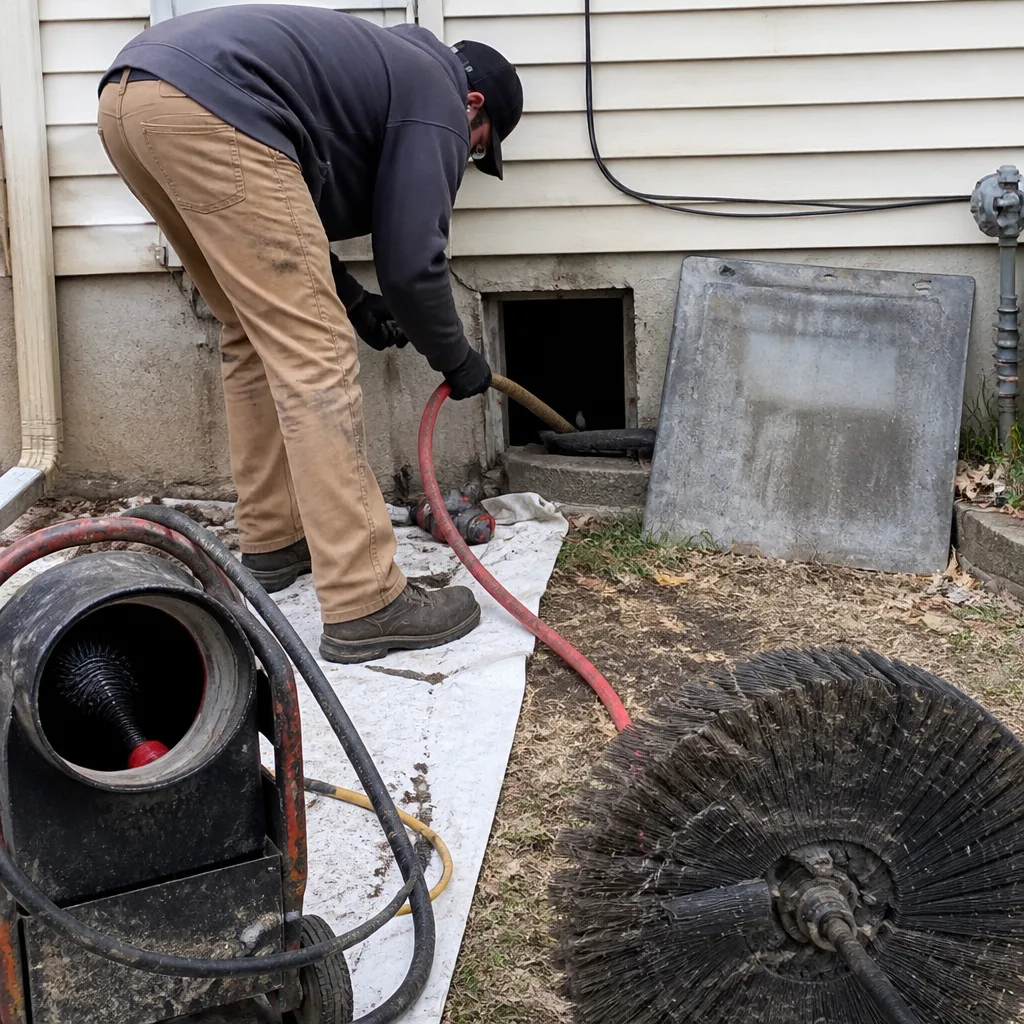 Before
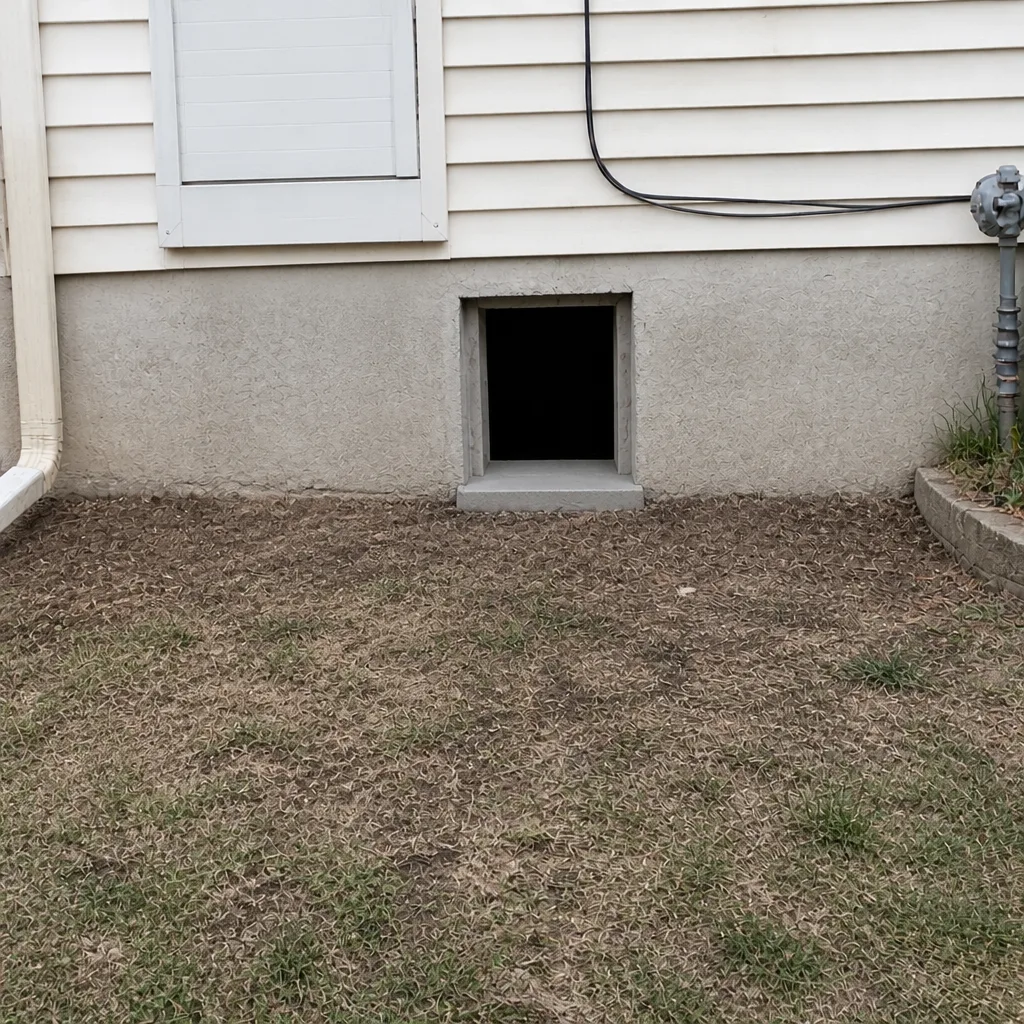 After
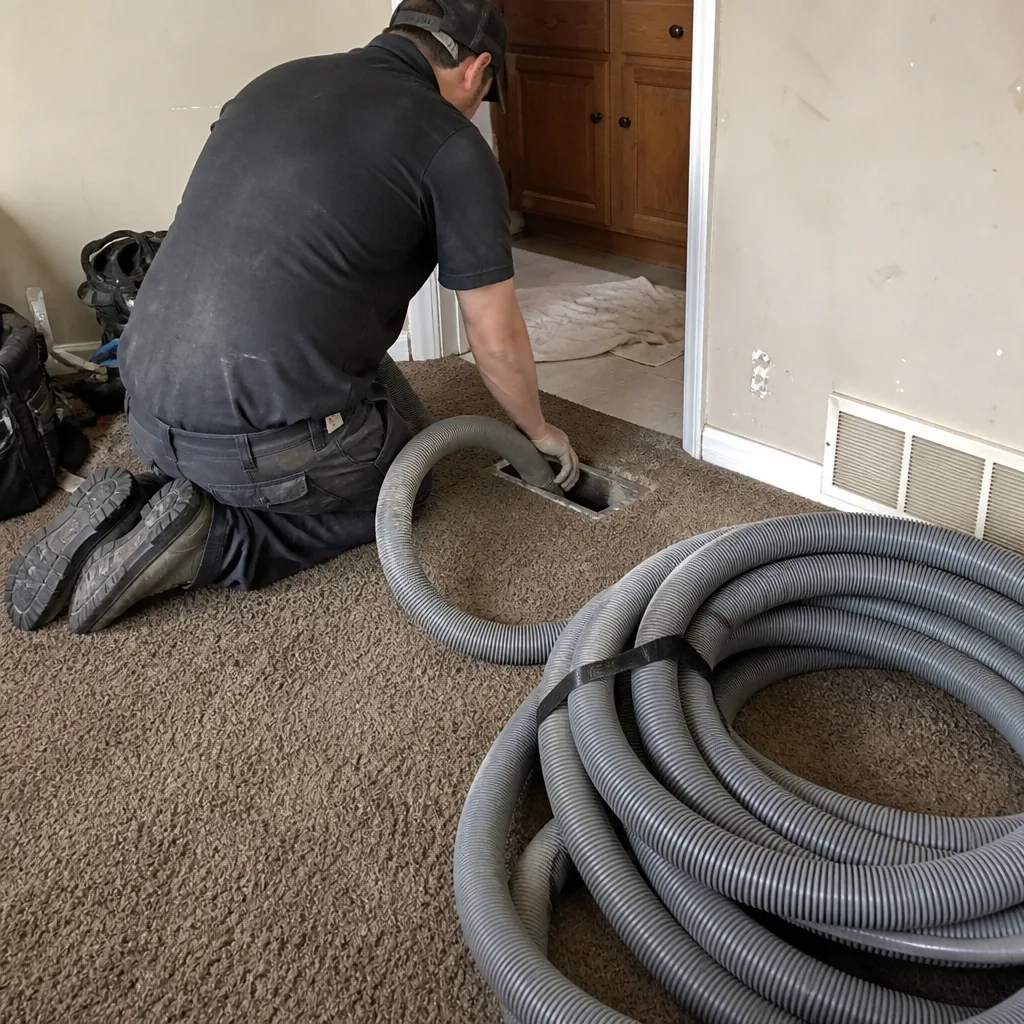 Before
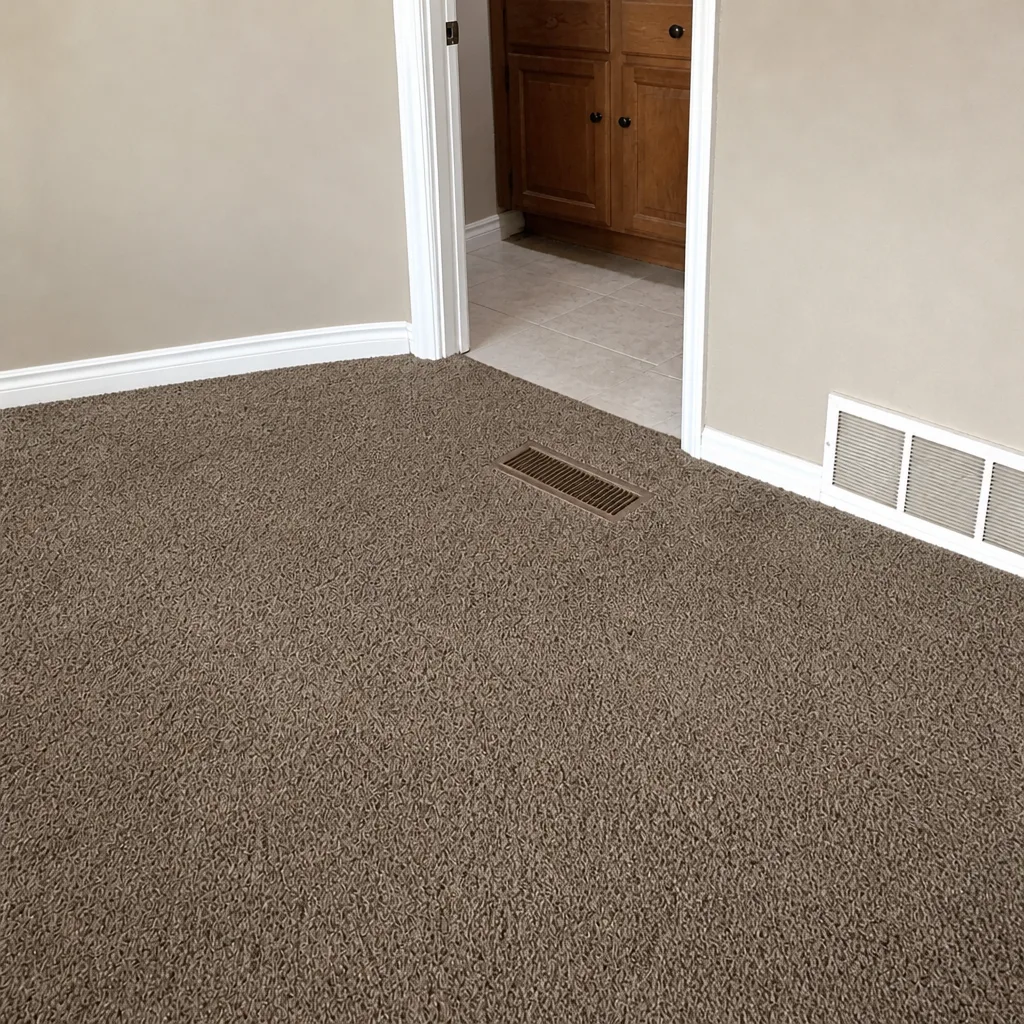 After
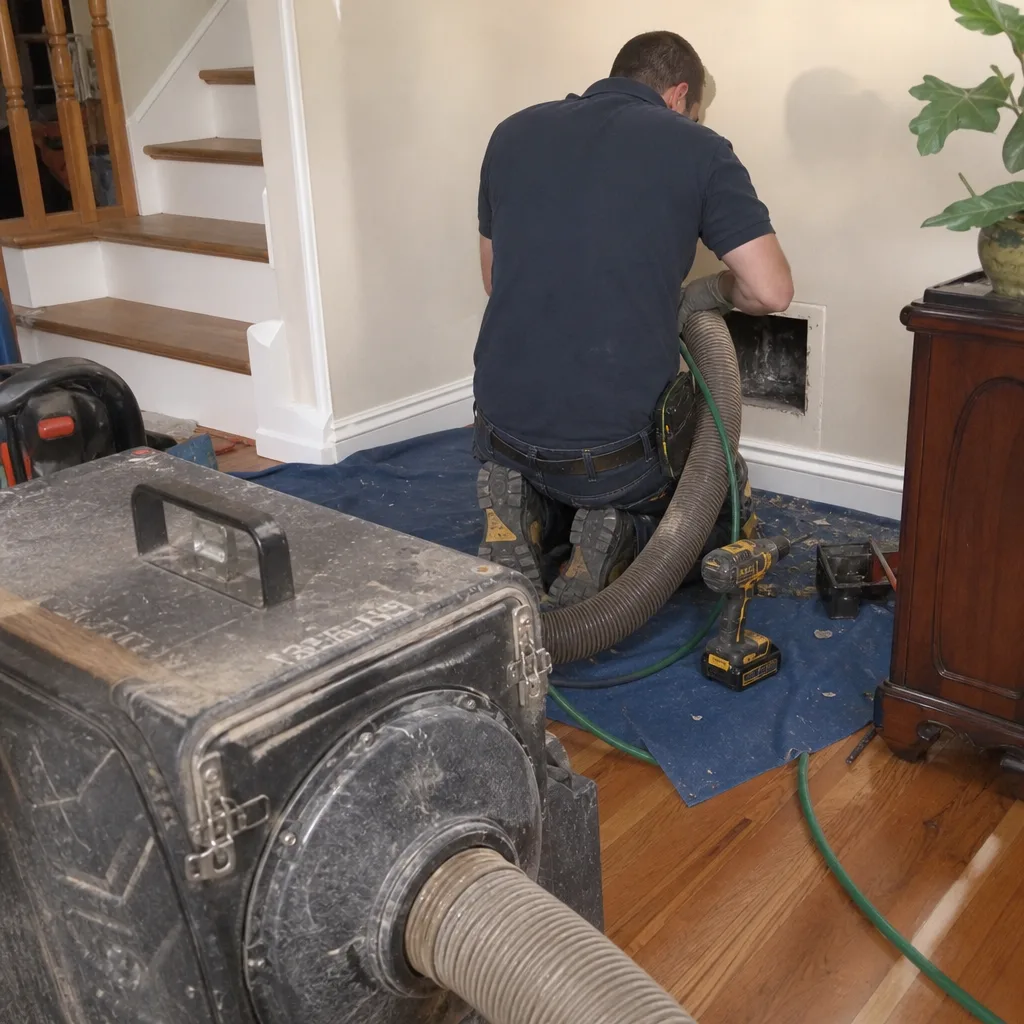 Before
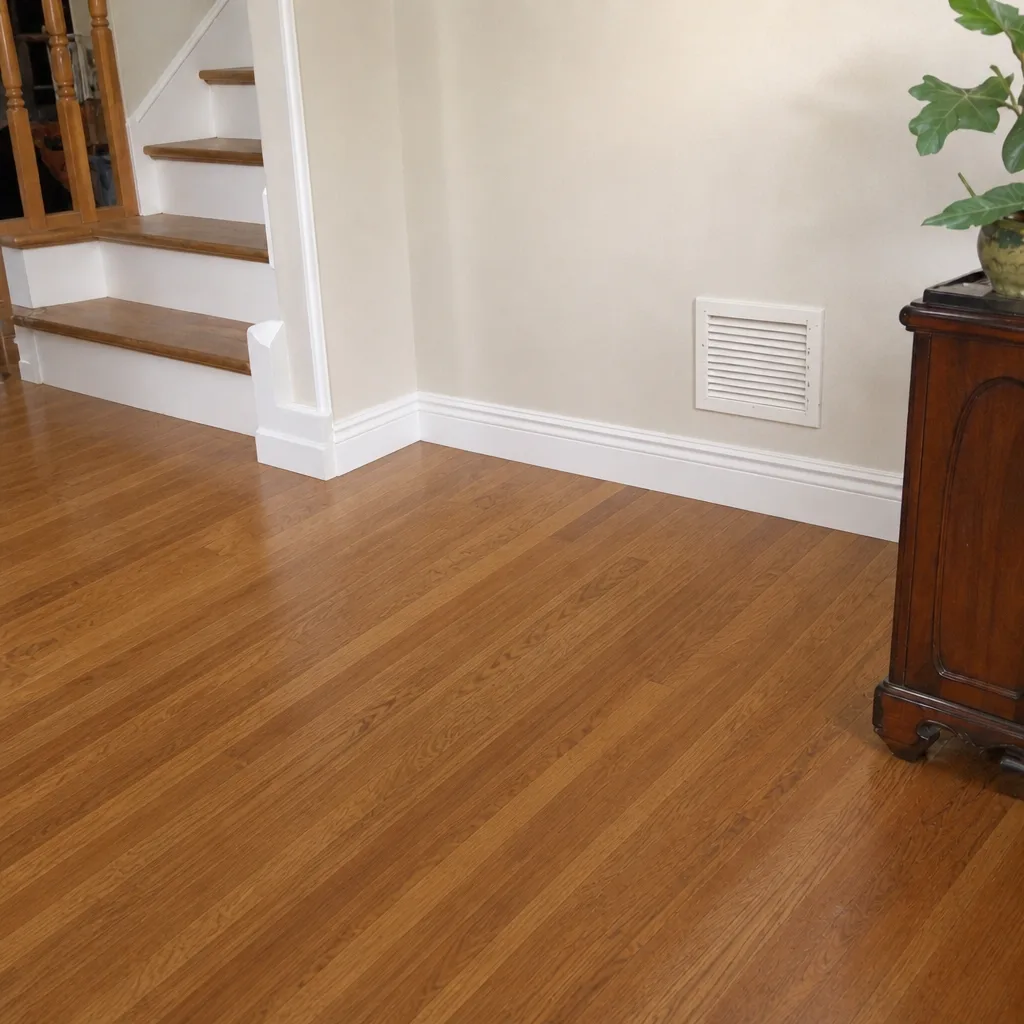 After
When to Call a Professional
Call a professional in Layton when you’ve noticed a persistent musty smell coming from the registers, visible debris or dust blowing out of the vents after a filter change, or an unexplained rise in allergy symptoms inside the home. Call when a duct has visibly separated at a joint or boot, when water has gotten into the duct path from a roof leak or condensation issue, or when you’re booking a pre-1980 home and the scope includes repair work. And call when a contractor’s quote seems too good to be specific: a flat price, written scope, and documented before-and-after photos are the minimum standard. Layton Air Duct Cleaning offers free estimates in Layton, so call (833) 754-7579 to start with a conversation rather than a guess.
Frequently Asked Questions
No. Routine air duct cleaning is maintenance and does not require a permit in Layton, Utah. A permit is only generally required when the work alters the duct system itself, such as new duct runs, resized trunk lines, or repairs tied to an HVAC modification. If you’re unsure which category your job falls into, ask the contractor for a written scope and call the Layton City Building Department to confirm before work starts. Call (833) 754-7579 for an exact quote on the cleaning side of the work; estimates are free.
Utah doesn’t require a specific license for duct cleaning alone. Construction-related work, including permitted duct installations and alterations, does fall under contractor licensing. That’s why it’s worth asking a duct cleaning contractor two questions before booking: what’s the written scope, and what happens if the job turns into a repair? Layton Air Duct Cleaning provides a written estimate up front so the scope is clear before work begins. Call (833) 754-7579 to talk through your project.
Yes, if the work will disturb duct insulation or surrounding materials. Homes in Layton built before 1980 may contain asbestos in duct wrap, taped joints, or insulating materials. Cleaning itself with proper HEPA equipment doesn’t disturb those materials, but cutting, pulling, or scraping around them can. The safe sequence is assessment first, then work. If you have a pre-1980 Layton home and any repair is planned, that assessment should happen before a technician touches the duct system. Call (833) 754-7579 and we can walk you through the typical sequence for your home.
A written scope of what was done, before-and-after photos of your own ducts, and a confirmation of whether the work crossed into permit territory. If a permit was pulled, the inspector’s final sign-off should go with the job record. Photos are the most useful single piece of documentation, and they’re the standard we hold on every Layton job. Call (833) 754-7579 to schedule an estimate and ask about documentation up front.
Not for cleaning alone. Layton City’s building department inspects permitted construction work, which includes altered or newly installed duct systems, but not routine cleaning and maintenance. If your scope includes duct repair that requires a permit, the inspection is the step that confirms the work conforms to the approved plan. That sign-off stays in the property record. Call (833) 754-7579 for a free estimate and a clear answer about what your job does and doesn’t require.
No. The Utah Indoor Clean Air Act is a public-health statute about indoor smoking in workplaces and public places. It does not regulate residential duct cleaning, duct repair, or home air quality maintenance in Layton. The rules that actually apply to residential duct work are the Utah State Construction Code, Layton City’s permitting process for altered duct systems, and federal asbestos handling rules. Call (833) 754-7579 if you want to talk through which rules apply to your specific project; estimates are free.
The Bottom Line
Duct cleaning itself doesn’t need a permit in Layton. Duct repair, alteration, and HVAC modifications do. The line between them is where most homeowners lose ground, because the invoice calls it all “cleaning” and nobody pulls the paperwork. In pre-1980 Layton homes, the risk increases: cutting into insulation or surrounding materials without an asbestos assessment is a hazard no inspection will catch if no permit was pulled. Our advice is simple. Get a written scope before anything starts. Confirm the permit boundary with the Layton City Building Department if repair is in the plan. And choose a contractor whose equipment and documentation make the work verifiable, not just described.
Call (833) 754-7579 for a free estimate. We answer 24/7. Fast dispatch from 7am to 7pm, Sunday through Friday. One flat price per system, agreed before work starts, with before-and-after photos of your own ducts.
Written by the team at Layton Air Duct Cleaning.