
Last updated November 25, 2026
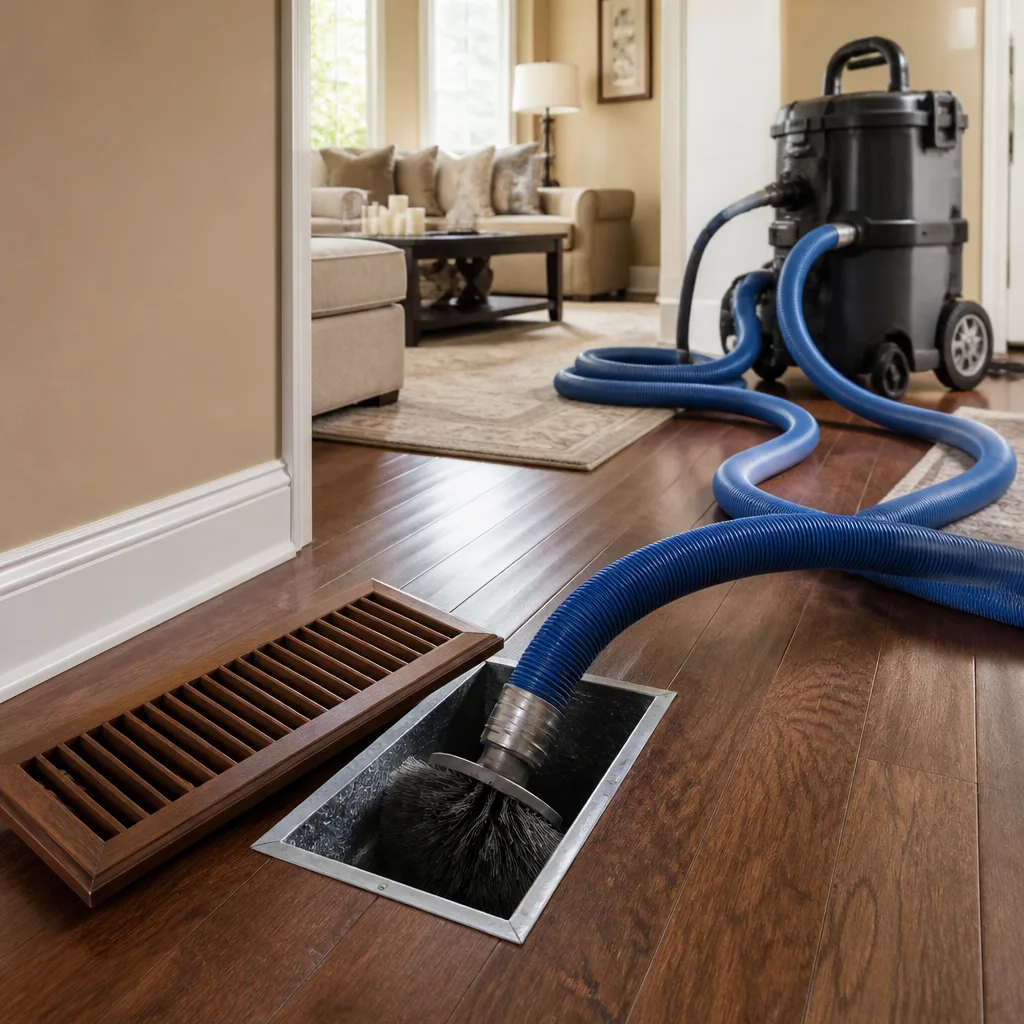 Whole-home duct cleaning
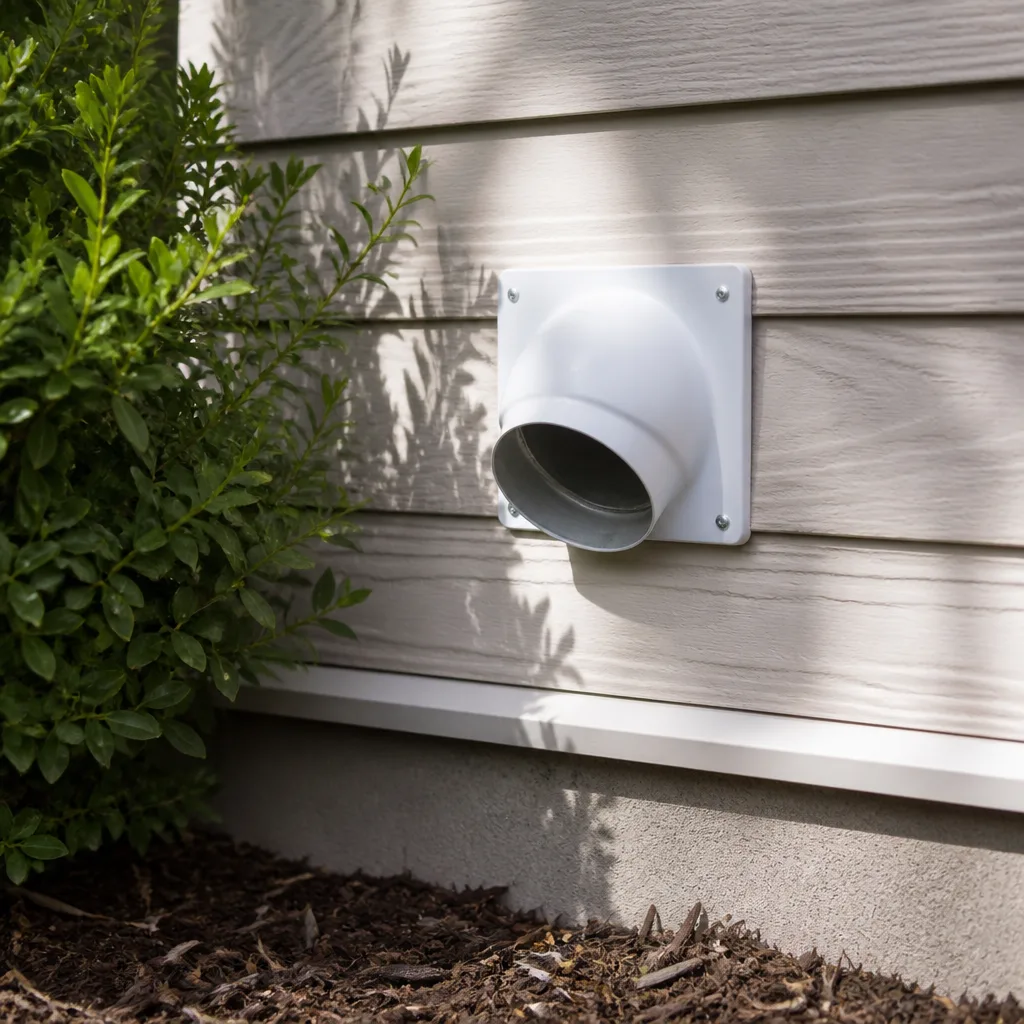 Dryer vent cleaning
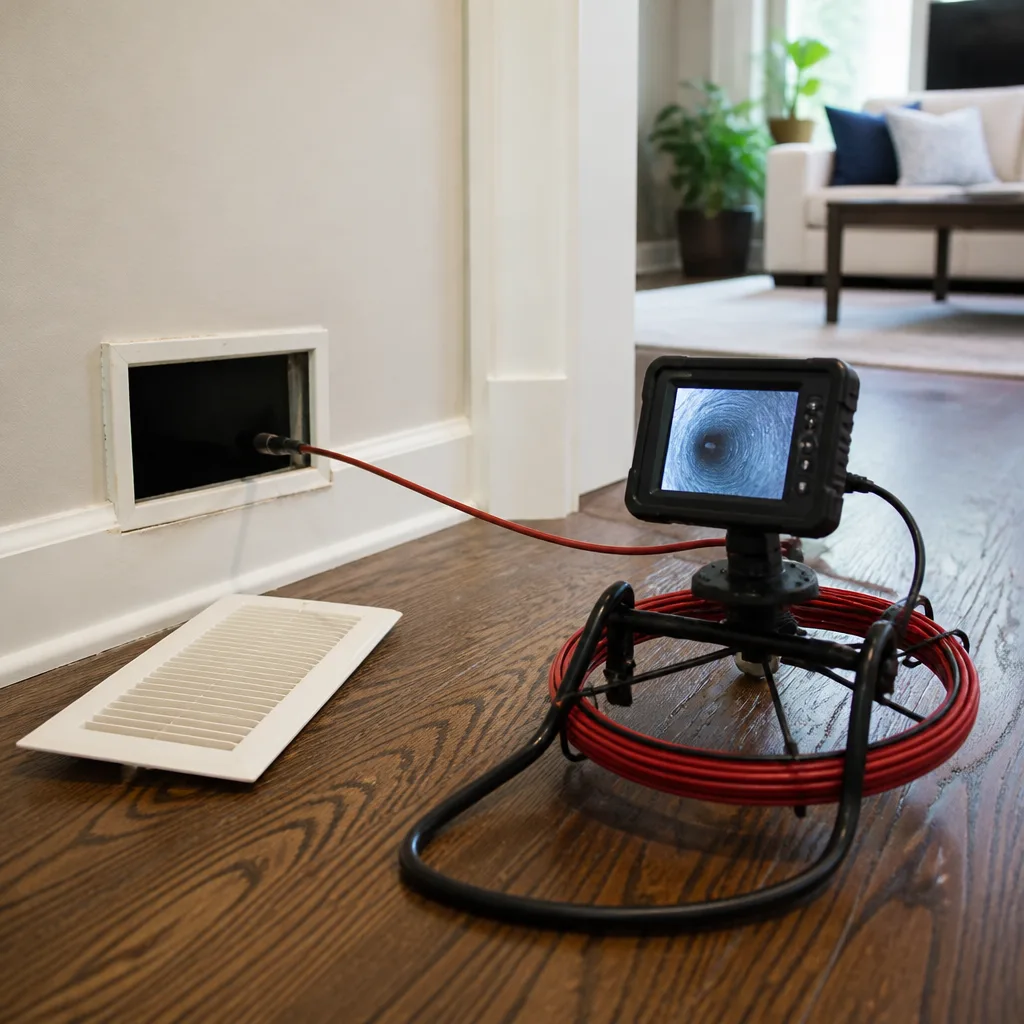 Camera inspection
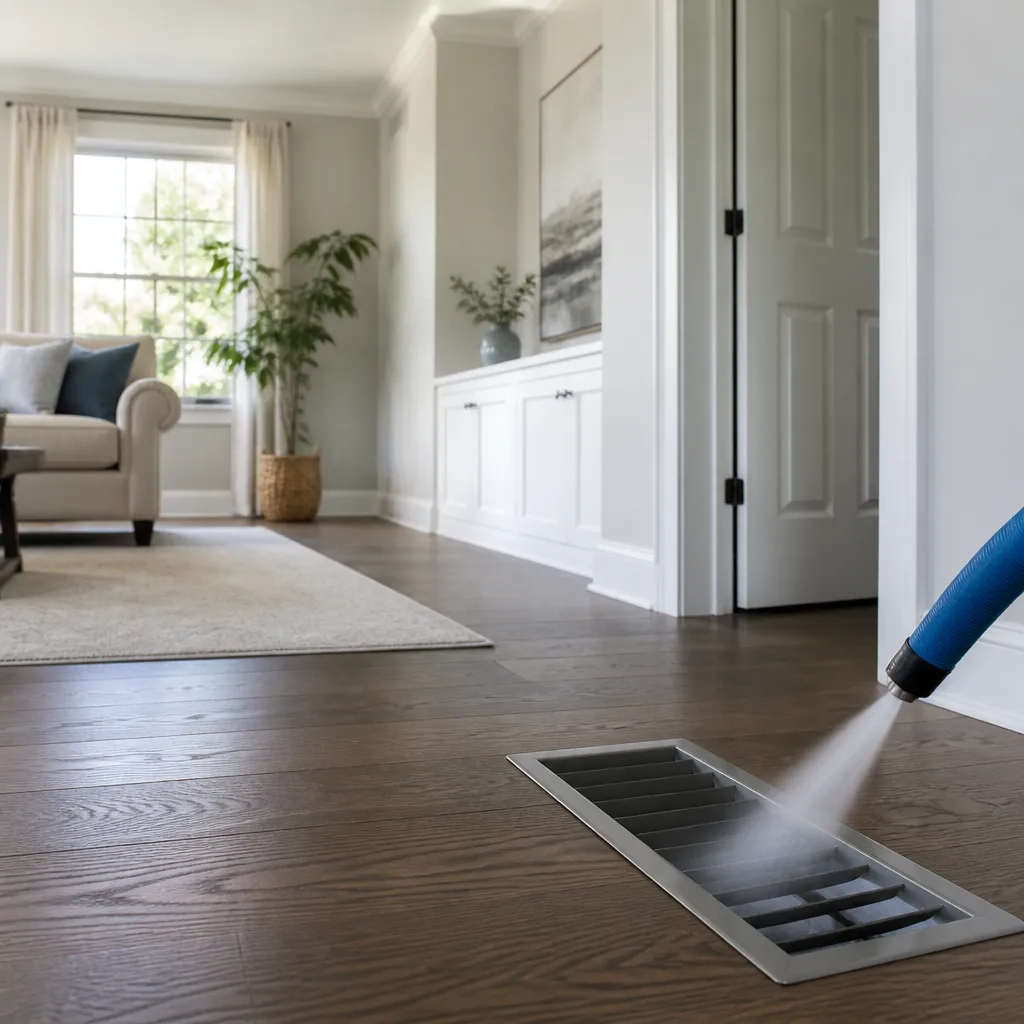 Sanitizing & deodorizing
Whole-system duct and dryer vent check with before-and-after photos - you see exactly what came out of your vents
That "$99 whole-house special" is a bait ad - the real number appears once they are in your hallway, or the "clean" is a shop-vac at the register. We photograph the inside of your ducts before and after instead.
Air Duct Cleaning Maintenance Checklist for Layton Homeowners
Most homeowners think about duct cleaning once: something gets their attention, they book it, and then the ducts go back to being invisible for another decade. That’s backwards. A filter that’s two months overdue restricts airflow, raises static pressure inside the duct system, and stresses the flex connections at every joint. In a Layton home where the furnace runs hard from November through March and the AC takes over in July, that cycle repeats twice a year. What follows is a task-by-task checklist organized by how often each item actually needs doing, what to look for at each step, and the point where a filter swap stops being enough and you need professional equipment. Keep it, and you’ll know more about your duct system than most people who quote work on it.
Quick Answer
A workable duct maintenance cycle for a Layton home has four tiers: filters monthly, register inspections quarterly, a full system check every fall before heating season and every spring before cooling season, and professional duct cleaning every three to five years depending on pets, renovation dust, and visible contamination. Most homeowners skip tiers two and three entirely, which is why ducts degrade quietly between cleanings. The checklist below gives you specific pass/fail criteria for each tier so you can tell the difference between “change the filter” and “call a professional.”
Styles & brands we work with
- Whole-home duct cleaning
- Dryer vent cleaning
- Camera inspection
- Sanitizing & deodorizing
Table of Contents
- Monthly Tasks: The Five-Minute Tier
- Quarterly Tasks: Reading Your Registers Without Tools
- Seasonal Tasks: Pre-Summer and Pre-Winter Prep in Layton
- The 3 to 5 Year Tier: When Cleaning Is Actually Due
- What Layton’s Climate Does to Your Duct System
- Filter Swap or Professional Cleaning? How to Decide
- How to Log Maintenance So a Contractor Can Quote Accurately
- What Professional Equipment Actually Does That a Shop-Vac Can’t
Monthly Tasks: The Five-Minute Tier
Monthly maintenance is about airflow, not cleanliness. You’re checking one thing: is the system moving the air it was designed to move? A restricted filter is the single most common cause of duct problems we’re called out to inspect, and it’s also the cheapest to prevent.
- Inspect the filter, don’t just glance at it. Hold it up to a light. If you can’t see light through the media, it’s loaded. A MERV-13 filter that’s been in place two months past its change date is doing real harm: it raises static pressure, and elevated static pressure is what loosens flex duct connections and pulls unconditioned air in at the joints.
- Check the filter’s fit. A filter that’s undersized for its slot lets air bypass it entirely, which means dust goes straight into the blower and the coil. If yours rattles or slides, the slot needs a proper frame.
- Listen at the return grille. A whistle or a whoosh at the main return is a symptom of restriction, usually the filter. If a fresh filter doesn’t quiet it, the return duct may be undersized or partly blocked and that’s worth a professional look.
- Note the filter’s MERV rating and write it down. You’ll want it accurate when you talk to anyone about your system, and mislabeled filter sizes are common.
- Walk past every supply register and confirm airflow with your hand. Weak flow at one register while others are strong usually points to a damper, a disconnected flex run, or a crushed duct in the attic, not a dirty duct.
Five minutes, once a month, is the whole tier. It’s also the tier where most people silently give up after the first heating season. Put a reminder in your phone tied to the first of the month and it stops being a decision.
Quarterly Tasks: Reading Your Registers Without Tools
Registers and return grilles are the only part of your duct system you can see directly, and they tell you a lot if you know what to look for. No tools required. Do this quarterly, and do it right after the filter change so you’re comparing like with like.
- Look at the grille face, then look past it. A light film of dust on the grille is normal. A dark ring or a fuzzy edge along the inside of the supply vanes suggests dust is being carried through the system and depositing at the exit points.
- Check the return grille first, always. Returns pull the most air and show contamination earliest. If the return is visibly coated but the supplies are clean, the problem is upstream of the filter or the filter is bypassing.
- Wipe one supply register with a white paper towel. Hold it flat against the grille and run your finger along the vanes. Grey or black residue on the towel after one pass is a signal. A faint beige tint is house dust and it’s fine.
- Look for rust streaks or water staining. Any moisture at a register points to a condensate issue, a roof leak, or an evaporator coil problem. Duct cleaning won’t fix that, and the moisture source needs attention first.
- Smell the air at a few registers. A musty or “crayon” smell that intensifies when the system starts up is a sign of biological growth or trapped moisture inside the system.
- Check the grille screws and seals. Grilles that are loose or missing their foam gasket let attic or crawlspace air into the room, which is both an air quality and an energy problem.
Write the results down, even if it’s a single line: “Return grille dusty, supplies clean, no smell.” That line is worth more to a technician than a memory of “it seemed dirty in there.”
Seasonal Tasks: Pre-Summer and Pre-Winter Prep in Layton
Layton’s heating season is long and its cooling season is short but intense. That means two changeovers a year, and each changeover has its own checklist. Do these before the system runs heavily, not after.
Spring checklist (before cooling season)
- Change the filter and note the date on it with a marker.
- Vacuum the return grille face and the immediate duct throat you can reach with a brush attachment, not a shop-vac and not a leaf blower. Surface dust only; don’t go further.
- Walk the attic or crawlspace and look at the flex duct runs. Any run that’s kinked, sagging between hangers, or separated at a collar is losing air into the unconditioned space. Sagging flex runs in a Layton attic get stiff and brittle with the temperature swings.
- Check that the condensate drain line and pan are clear and dry before the AC runs hard.
- Confirm any damper handles are in the correct seasonal position and labeled. Unlabeled dampers are a common cause of a “dead” room in summer.
Fall checklist (before heating season)
- Change the filter again and record it.
- Inspect the furnace cabinet door gasket and the blower compartment for dust buildup. If you see heavy dust around the blower, that’s a professional cleaning item, not a homeowner one.
- Look for debris around the heat exchanger area only from a distance. The heat exchanger and the gas train are not homeowner-serviceable. If you see anything odd, stop and call a licensed HVAC technician.
- Check the return grille for the dust load that accumulated over the summer. Layton’s inversion season means winter air is still and interior dust settles in the house, which loads the return side.
- If you’ve had any renovation work over the winter, note the date. Construction dust gets into the ducts and takes a professional cleaning to clear properly, not a filter swap.
If you want a deeper picture of what heating-season maintenance involves for the broader mechanical system, our guide on HVAC cleaning covers the equipment side in more detail.
The 3 to 5 Year Tier: When Cleaning Is Actually Due
Professional duct cleaning is not an annual event for a normal household. It’s a condition-based decision that typically lands in the three-to-five-year window, and it can land sooner for specific situations. Here’s the honest decision tree.
- Three years or sooner: multiple pets, a smoker in the home, recent renovation or construction dust, a new baby in the house, or visible dust plumes from a supply register when the system starts.
- Three to five years: a normal household with a well-fitted filter changed on schedule and no moisture issues.
- Immediately, regardless of schedule: visible mold growth inside a duct or on a grille, a pest infestation in the ductwork, a puff of dust when you tap a duct run, or after a house fire or major water intrusion.
Comfort and allergy symptoms are a real signal too. If two people in the house have worsening symptoms that track with when the system runs, and the filter is clean and correctly fitted, a professional inspection is worth doing. Our air duct cleaning page walks through how a proper inspection is done.
The five-year figure isn’t a countdown clock. A duct system in a house with a tight filter and no pets can go longer if a professional inspection says it’s clean. A system that’s been running with a bypassing filter for three years might need attention in year two. That’s why the log matters more than the calendar.
What Layton’s Climate Does to Your Duct System
Layton sits in a valley with a genuine winter inversion season. Cold air settles and the air in the valley goes still for days, sometimes weeks at a time. That’s not just an outdoor air quality story. In a still-air winter, interior dust doesn’t get flushed out by open windows the way it does in spring, and it settles and recirculates. Homes in east Layton, up toward the bench, tend to sit above some of the inversion layer while homes closer to the valley floor sit in it. That difference changes the dust load a filter sees over a winter, and it’s a reason the same maintenance schedule doesn’t fit every home identically.
The housing stock matters too. The bigger, newer homes going up around Layton’s east side often have longer duct runs and more flex duct than the older homes near downtown. Longer runs and more elbows mean higher static pressure, which makes filter restriction hurt more. An overdue filter in a long-run system stresses the connections harder than it would in a compact older home.
And the spring thaw brings another factor: interior dust from the whole winter’s closed-up living suddenly has homes opening windows and doing the deep clean, which is exactly the wrong time to be circulating dust through the system. Do the spring checklist first, then deep clean, then change the filter again.
Filter Swap or Professional Cleaning? How to Decide
This is the question that separates a useful maintenance habit from a lot of wasted effort. Use these criteria.
Filter swap is the answer when:
- The dust is confined to the grille face and the immediate throat, and the register vanes wipe clean with one pass.
- Airflow is strong at every register.
- No odor, no rust, no staining.
- The only change is that the filter got loaded (which is the filter’s job).
Professional cleaning is the answer when:
- Any register shows dark, fuzzy residue that returns within a month of wiping.
- You can see visible dust in the duct throat beyond what a hand brush reaches.
- There’s a persistent musty smell when the fan starts.
- There’s been renovation dust, water intrusion, or a pest problem.
- The system has run for years with an undersized or bypassing filter.
If you’re on the fence, the honest move is to have someone look and tell you what they see, and get that answer in writing with photos. A cleaning company that can’t produce before-and-after photos of your own ducts isn’t giving you a verifiable answer either way.
How to Log Maintenance So a Contractor Can Quote Accurately
Here’s a thing most maintenance advice misses: the maintenance log is part of the diagnosis. A technician who knows the filter history, the renovation dates, and the last cleaning date can quote a duct cleaning accurately, and won’t oversell or undersell. A technician who’s looking at a system cold has to guess.
Start a single sheet, paper or a note on your phone, and record these items:
- Date of every filter change, and the MERV rating used.
- Date of every quarterly register inspection, and a one-line result.
- Date and scope of any professional duct cleaning, ideally with a copy of the report and before-and-after photos.
- Dates of any renovation or construction work and whether the system was sealed off during it.
- Date and findings of any HVAC service visit.
- Any moisture event: water heater leak, roof leak, AC condensate overflow.
Hold on to the paperwork from a previous cleaning. If you can show a professional that the ducts were cleaned three years ago with documentation, they can calibrate the recommendation against actual conditions instead of starting from a template. Good companies appreciate this. Ask for photos of the duct interior before and after, and keep them in the log too. Over time, that record of documented cleaning history is the most useful thing you own about your system.
What Professional Equipment Actually Does That a Shop-Vac Can’t
Homeowners often ask whether they can just vacuum the ducts themselves. The short answer: you can clean what you can reach, and you’ll redistribute a lot of what you don’t. A shop-vac has airflow, but it doesn’t have containment, and it doesn’t have contact cleaning.
Professional duct cleaning is two jobs done at once. A contact cleaning tool, like the ones in a Rotobrush system, physically agitates the interior surface of the duct and the blower while a HEPA-rated vacuum extraction unit, like the equipment from Nikro, pulls the disturbed material out and holds it. The containment steps matter as much as the vacuum. Abatement Technologies equipment is designed for negative-air containment, which keeps what’s being removed from ending up in your living room. That’s the difference between cleaning the ducts and moving the dust.
The finish step matters too. Sanitizing isn’t an upsell tacked onto the invoice; it’s the point where biological growth that’s been living in the system gets treated. And if your filter housing is undersized or the system could benefit from better filtration, the equipment can be upgraded to recognized brands like Honeywell or Aprilaire, which are what most of the industry actually specifies for residential filtration and humidity control.
Our technicians have up to 9 years of experience with these systems. If you have pets, dryer lint buildup on the exhaust side is another item worth checking on the same visit; our dryer vent cleaning page covers why that’s a separate fire-safety check from the supply ducts.
Common Mistakes to Avoid
- Upgrading to a MERV-13 filter without checking your system’s static pressure capacity. A higher MERV filter restricts more air, and older duct systems can’t always take it. If you upgrade, watch for weak airflow at the furthest register for a week.
- Assuming dirty registers mean dirty ducts. A dusty grille is often just house dust settling on the vanes. A dirty return with clean supplies points upstream, not at the ducts themselves.
- Skipping the spring and fall changeover. The two checklist passes are the highest-value items in this guide, and they’re the ones people most often skip. Winter’s closed-up season deposits dust; summer’s cooling season runs the fan hard.
- Using a shop-vac on a duct run “just to see.” You’ll stir up more than you pull out, and you may dislodge insulation or flex connections you can’t see.
- Believing a low coupon price reflects a full duct cleaning. The classic pattern is a low headline price that grows once the technician is on site. Ask for one flat price per system, in writing, before any work begins, and ask whether before-and-after photos are included.
- Ignoring the dryer vent while thinking about duct maintenance. They’re part of the same air pathway. Lint buildup is a fire-safety concern, and it’s not covered by a duct cleaning quote unless you ask.
- Not logging anything. A log is what lets a trained technician give you a real recommendation instead of a scripted one, and it protects you the next time someone tells you your ducts need cleaning whether they do or not.
See the difference
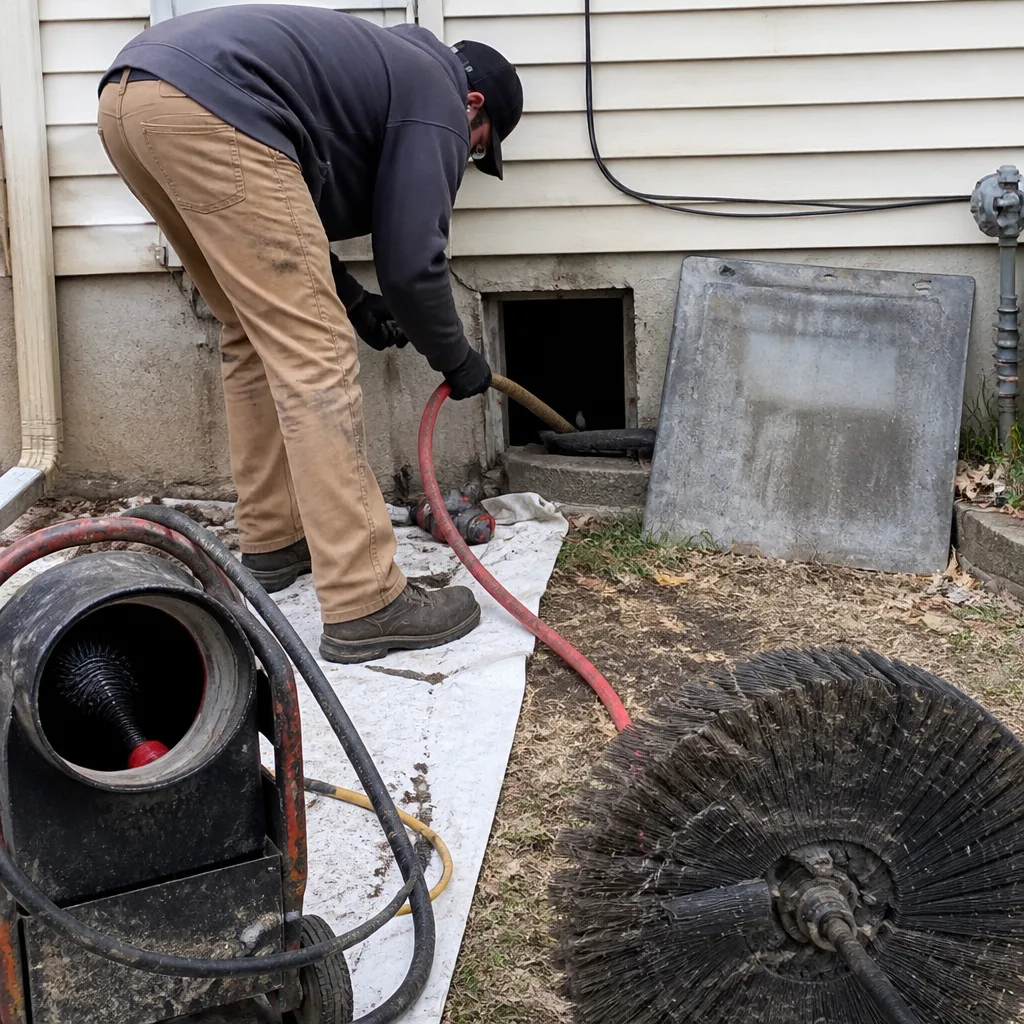 Before
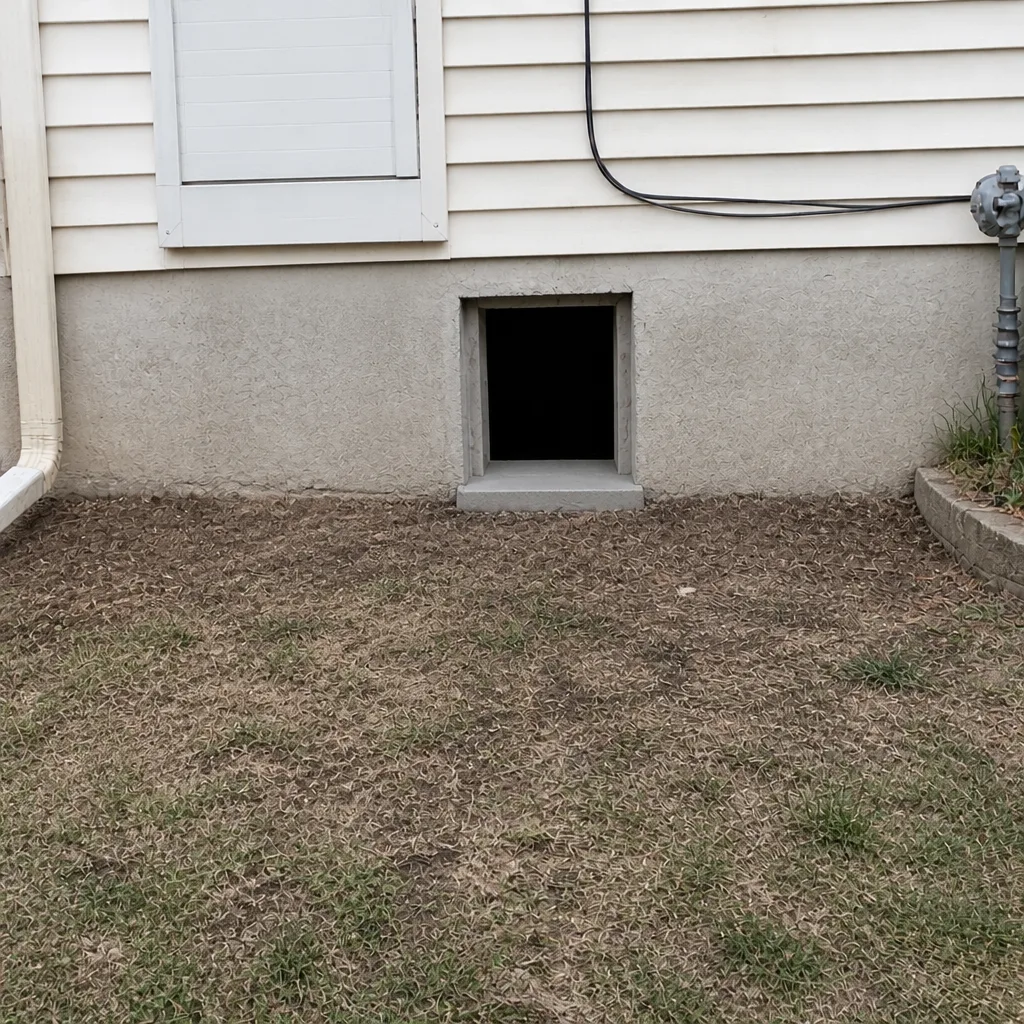 After
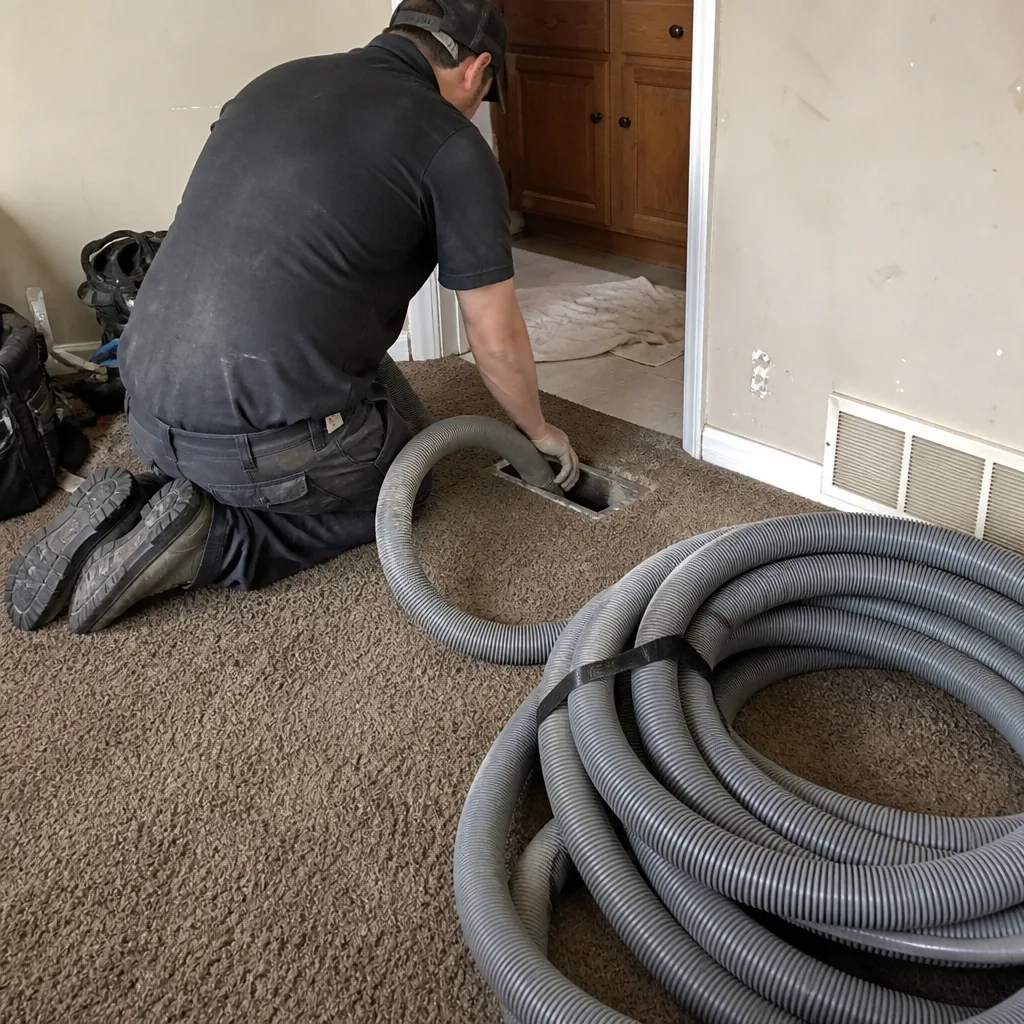 Before
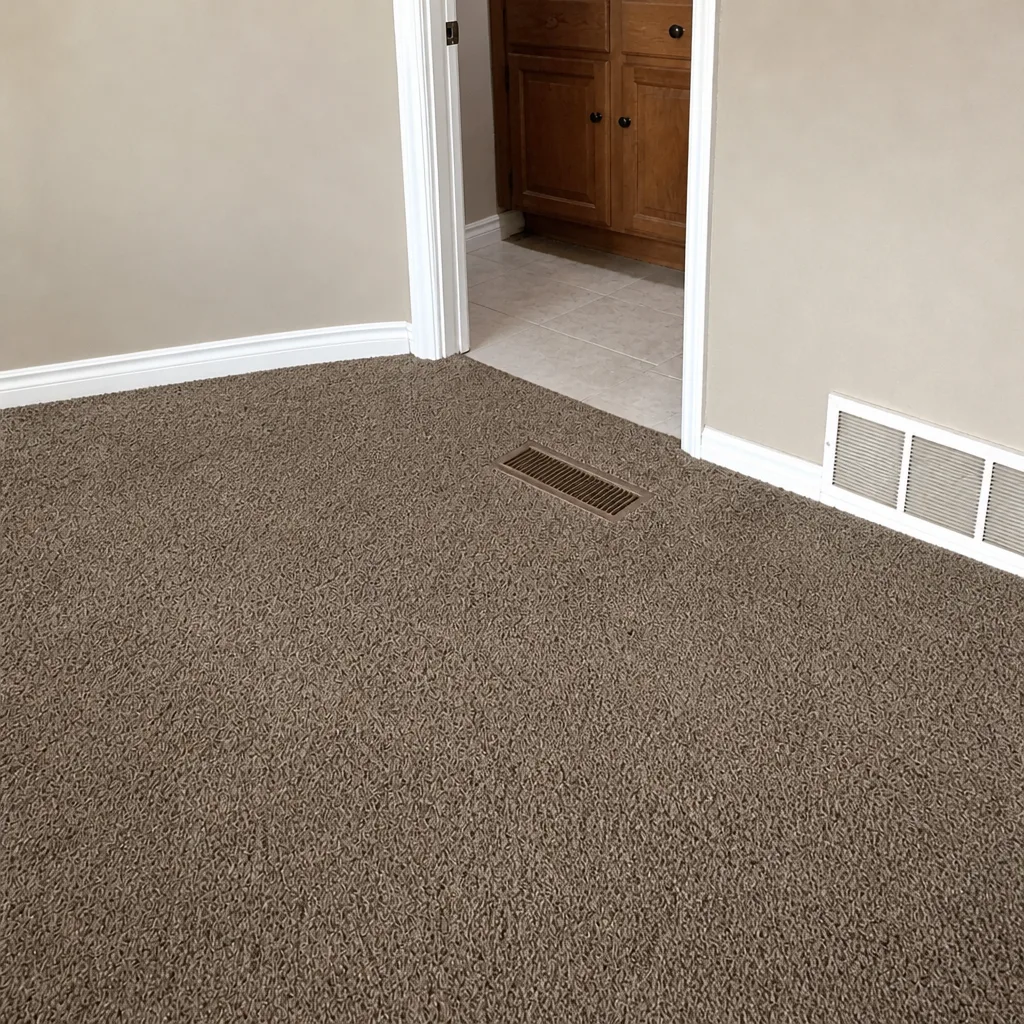 After
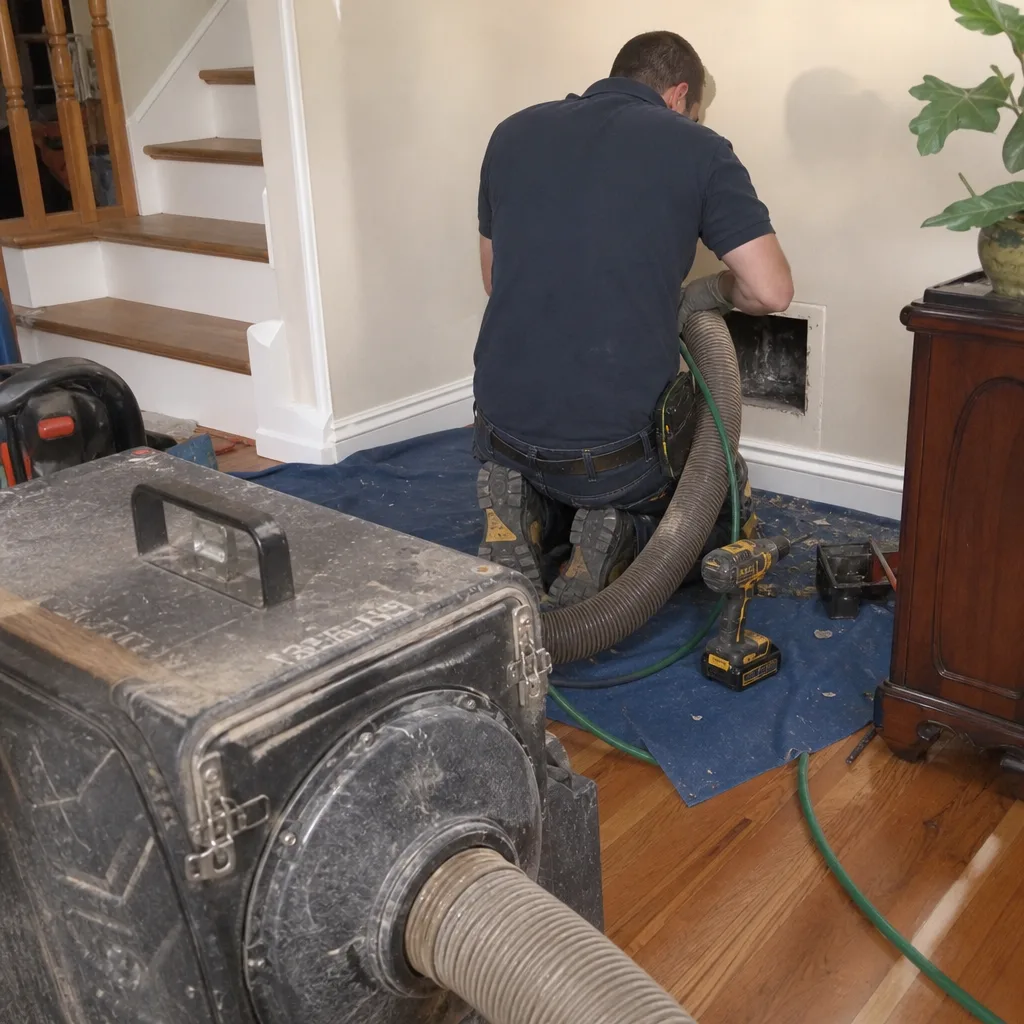 Before
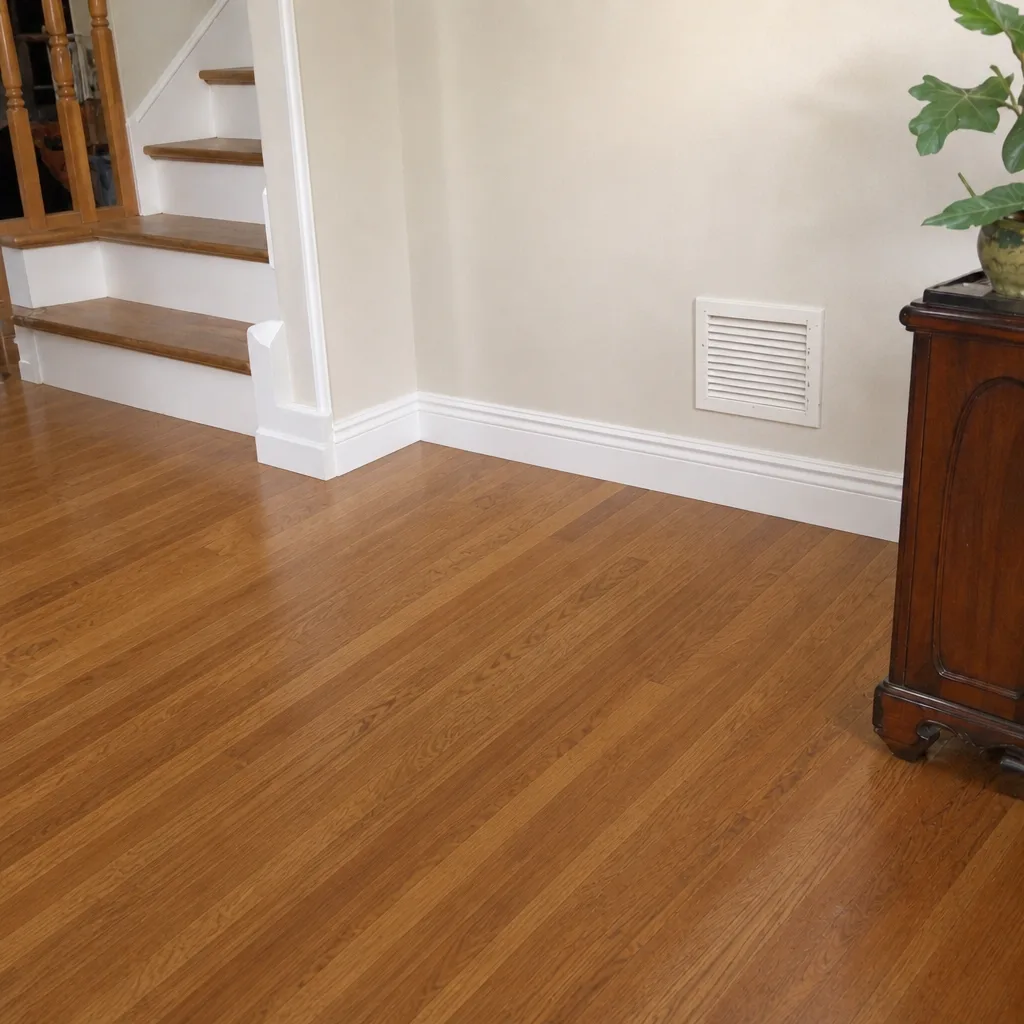 After
When to Call a Professional
Call a professional when the quarterly inspection turns up something a filter change won’t fix: visible dust in the duct throat, a persistent musty odor on startup, dark residue that returns within a month of wiping, or any history of moisture, pests, or renovation dust. Call immediately if you see mold growth inside a duct or on a grille, or if a pest has been in the system. Call after a fire or a major water intrusion, and call after a renovation where the ducts weren’t sealed off during the work.
Layton Air Duct Cleaning offers free estimates in Layton – call (833) 754-7579. We answer 24/7. Fast dispatch from 7am to 7pm, Sunday through Friday. Every estimate sets one flat price per system before any work starts, and includes before-and-after photos of your own ducts so you can verify what was done.
Frequently Asked Questions
Every three to five years for a typical household, and sooner for homes with pets, recent renovation dust, or visible contamination. The honest answer is condition-based, not calendar-based. Inspect your registers quarterly and let the condition of the system drive the timing. If your log shows a proper cleaning three years ago with photos and the registers are still clean, you likely don’t need another one yet.
Usually because they’re part pricing a different scope, or a teaser price meant to be expanded once the technician is on site. A low headline price often doesn’t include contact cleaning of the full system, proper HEPA containment, or the sanitizing step. Ask for one flat price per system in writing, and ask for before-and-after photos as part of the quote. Call (833) 754-7579 and we’ll give you an exact quote – estimates are free.
You get before-and-after photos of your own ducts, taken during the job, plus a written report of what was found and what was done. That’s the standard to require from anyone who cleans your ducts. A company that can’t or won’t provide that isn’t giving you a verifiable result regardless of the price.
Not safely, no. A shop-vac has no containment step, so it stirs up material instead of removing it, and it can dislodge insulation or flex joints you can’t see. Clean the grille faces and the immediate throat with a brush attachment, handle filters on schedule, and leave the inside of the system to professional equipment with HEPA extraction.
Only after checking whether your system can take the restriction, and usually with professional advice. A higher MERV filter catches more, but it also raises static pressure, and older or long-run duct systems can’t always handle that. Watch the airflow at your furthest register for a week after any upgrade and be ready to go back a step.
It can, if the ducts are actually a source of contamination, which is why the inspection comes first. A clean system with a properly fitted filter and no moisture issues is doing a lot of the work. If symptoms track with when the system runs and the filter is clean, a professional inspection is the right next step rather than guessing at a cleaning.
The Bottom Line
Duct maintenance isn’t a single event, and the maintenance log matters as much as the cleaning. Filters monthly, register inspections quarterly, system changeover checks in spring and fall, and a professional cleaning when the condition of the system says it’s due. Layton’s long heating season and inversion winters load the interior with dust that stays put, and the spring thaw is the moment the whole system gets redistributed if you don’t plan for it. The one behavior that pays off most is the log: a documented cleaning history with photos lets any contractor quote your system accurately. Start the checklist this month. For a full assessment of your system and a flat written estimate, call Layton Air Duct Cleaning at (833) 754-7579. We answer 24/7. Fast dispatch from 7am to 7pm, Sunday through Friday.
Written by the team at Layton Air Duct Cleaning.